Drama
Persona
Swedish
1966 · Directed by Ingmar Bergman · 85 min


Drama
Swedish
1966 · Directed by Ingmar Bergman · 85 min






Meaning, unpacked
Central idea
The film can be read as an exploration of how identity is made and unmade: how a person is shaped by the roles they play, the words they speak, and the people who listen to them. It asks whether a sincere self exists beneath the mask.
What it means
Persona asks a simple, unsettling question. Is there a sincere self underneath the mask? Or are we made of the roles we play, the words we speak, and the people who listen to us? The title is the clue. It borrows a term from Jung for the mask we wear in public.
An actress, Elisabeth, falls silent. Alma keeps her company by the sea and fills the quiet with confession. The women begin as opposites, one who talks and one who withholds, and the film tests whether a personality can survive sustained closeness to another person. Does talking reveal the self, or only expose it to judgement? Alma's confidences are turned against her, and trust tips into cruelty. Both women also carry unresolved feelings about children and responsibility, which are too painful to be an act. In the end two faces are joined into one, the clearest sign that they are no longer separate. The film never confirms a single hidden solution. The ambiguity is the design.
Why it mattered
Persona was a bold, compressed inquiry into identity and performance, a defining work of 1960s European modernism. Bergman turned cinema's own machinery, light, film stock and the viewer's gaze, into subject matter. The opening, with fragments of images and film seeming to burn in the projector, tells you the film is about its own medium and that you should not expect a conventional plot.
It also showed how much cinema can do with very little. Sven Nykvist's black-and-white photography, hard light and tight framing turned faces into landscapes. The central device is a talking face set against a listening face, with Bibi Andersson carrying long monologues while Liv Ullmann speaks through expression and stillness. Written like a stage chamber piece in the manner of Strindberg, it moves between realistic scenes and dreamlike ruptures, making you doubt what is real without ever naming a single explanation.
Before anyone tells you what to think: what did you make of it?
Log in to rate it and leave commentsIt takes one click with Google or an email link. You come straight back here.
Rate it, keep your notes, and find the next film.
Free, no ads. Your journal, your lists, a Cine Guide that remembers you.
Create your free spaceOn release, Persona divided audiences. Some found it opaque and withholding, while others saw an extraordinary, adventurous film. Susan Sontag wrote a notable essay on it soon after. Its influence has run from Robert Altman to David Lynch, and it helped establish the intense two-woman psychological drama as a recognised art-cinema form.
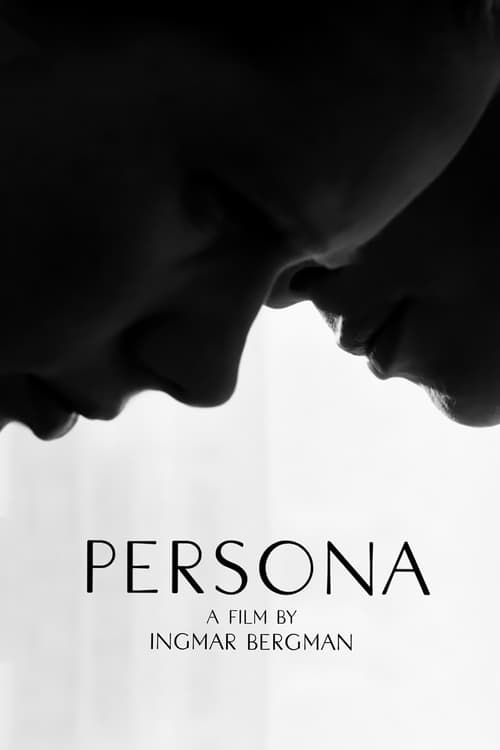
Today it is widely seen as one of Bergman's central achievements and a staple of film, psychology and philosophy courses. Its reputation has grown rather than faded, as viewers keep finding psychological, feminist and political readings, and readings about cinema itself. The joined face has become shorthand for divided identity, often used by people who have never seen the film.
What happens
Pressed to speak, Elisabeth says a single word: "nothing." Alma packs and leaves the seaside house. The film then shows its own crew at work, revealing the whole thing as a constructed work.
The last image
After the crew is glimpsed, the film ends on the projector's light going out.
Three readings
What it says
The film never confirms one reading, because its question stays open: is there a sincere self beneath the mask? Showing the crew reminds you that you have watched a made thing, and that performance reaches even honesty and care.
Or follow an idea from this film

See what influenced it
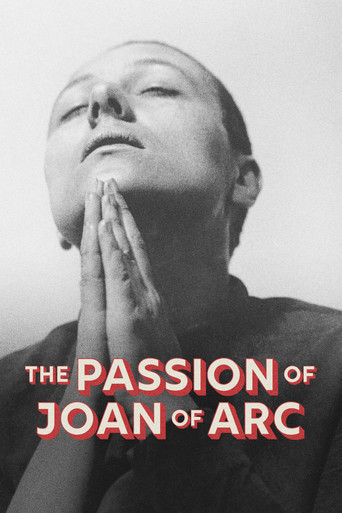
The Passion of Joan of Arc (1928)
Dreyer's silent film is a landmark of the close-up. Seeing it first shows the tradition of the face as landscape that Bergman and Nykvist inherited.
Continue the director
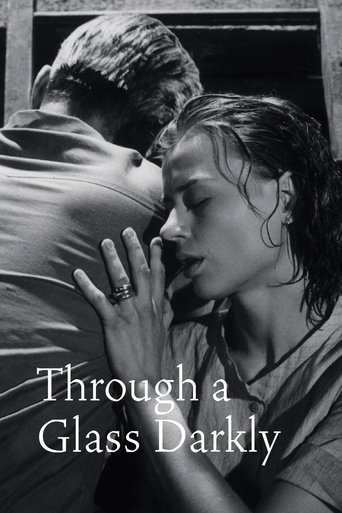
Through a Glass Darkly (1961)
A smaller, earlier Bergman chamber drama on an island, showing the austere style and emotional intensity from which Persona developed.
Explore the era or movement
Hiroshima Mon Amour (1959)
Resnais's film is another study of two people, memory and identity, using fragmented form and the same modernist ambition to rethink film storytelling.
See its influence
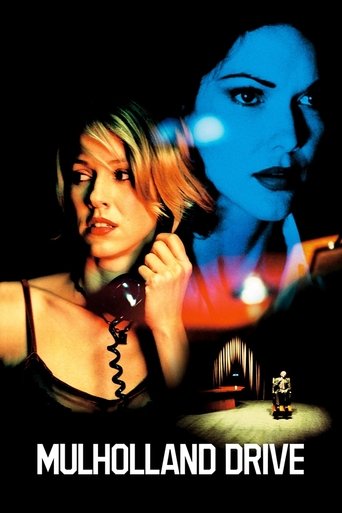
Mulholland Drive (2001)
Lynch's dreamlike drama about two women and shifting identities is the most famous modern descendant of Persona's structure and mood.
Jump forward
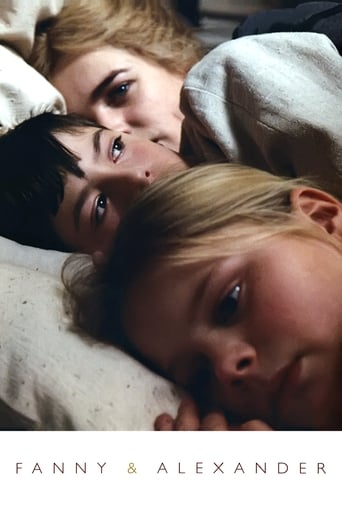
Fanny and Alexander (1982)
Bergman's late, expansive masterpiece contrasts with the stripped-down Persona and shows how far his work could range while keeping its emotional depth.