Drama · Thriller
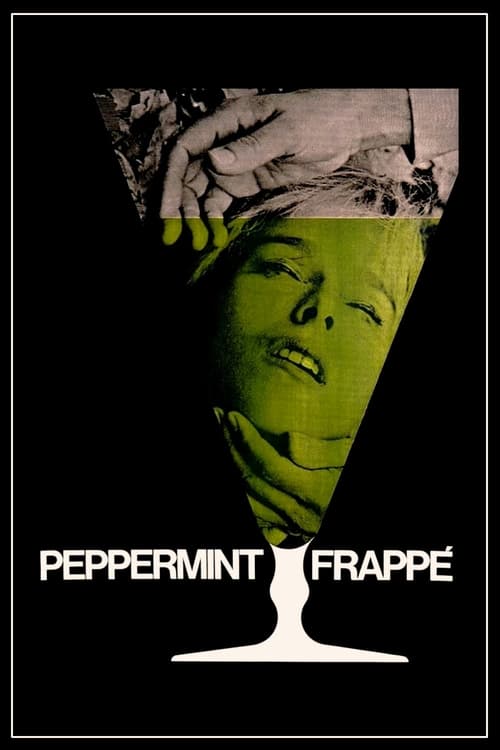
Peppermint Frappé
Spanish
1967 · Directed by Carlos Saura · 90 min


Drama · Thriller
Spanish
1967 · Directed by Carlos Saura · 90 min
Meaning, unpacked
Central idea
The film explores how repression turns desire into control. Julián cannot approach what he wants directly, so he tries to remake the world and the people near him into the image in his head. It can be read as a portrait of a stifled society.
What it means
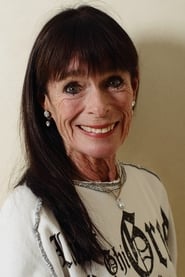
Peppermint Frappé is about a man who cannot reach for what he wants. Julián becomes obsessed with Elena, then sets about remaking another woman, Ana, in her image. Geraldine Chaplin plays both. The film's central idea is how repression turns desire into control. Julián can't approach what he longs for directly, so he tries to remake the world and the people near him into the picture in his head. This is not romance. It is control.
Many viewers read Julián as a portrait of the sexual and social restraint of Franco's Spain. His life is respectable and orderly, yet he hides a hunger he can neither name nor act on openly. The small town, with its church, rituals and gossip, rewards appearances over honesty. In the final scene the town's order stays intact, but you see what was destroyed to keep it that way. Chaplin's double role asks how much a person is character, and how much is clothing, makeup and what the viewer wants to see.
Why it mattered
Working under Franco's censors, Saura could not say these things openly. He relied on suggestion, symbol and fantasy, and that indirectness became part of his style. His fantasy sequences show Julián's violence and longing without comment, which makes this a psychological portrait rather than a conventional crime story. The film's ellipses mean you can never be fully sure what really happened, and that uncertainty is deliberate.
It also shows what a film can do through restraint. The staging is calm, so disturbing impulses seem to grow out of ordinary situations. Luis Cuadrado's photography uses formal compositions and closed interiors to suggest confinement. Luis de Pablo, a leading avant-garde composer, wrote a modern, unsettling score against those polite surfaces. The idea of remaking a woman echoes Hitchcock's Vertigo, but Saura gives it a provincial, ironic register that a filmmaker like Buñuel might have enjoyed.
Before anyone tells you what to think: what did you make of it?
Log in to rate it and leave commentsIt takes one click with Google or an email link. You come straight back here.
Rate it, keep your notes, and find the next film.
Free, no ads. Your journal, your lists, a Cine Guide that remembers you.
Create your free spaceThe film did well on the international festival circuit, and in 1968 Saura won the Silver Bear for Best Director at Berlin. In Spain it was read as a sharp, indirect attack on bourgeois society, and it confirmed him as a leading figure of the new Spanish cinema. With his producer Elías Querejeta, he helped build a serious, internationally visible Spanish art cinema.
It also set a method. Cría Cuervos later developed the same approach: allegory through memory, fantasy and domestic detail. The film showed Spanish filmmakers how to criticise authority through indirection. Today it is seen as one of Saura's central works. Early attention fell on its Hitchcockian structure, while later viewers tend to value its political allegory, its use of fantasy and Chaplin's performance.
What happens
Julián kills Elena, and Ana, now remade to look like her, takes her place as Pablo's wife. Life in the town carries on as if nothing has happened, but it now rests on a murder and a false identity.
The last image
Ana, dressed and made up as Elena, stands in the place of the woman Julián destroyed, and the town's order closes over the substitution.
Two readings
What it says
The ending shows a society surviving by burying the truth. Julián's control over Ana mirrors a stifled world where appearances outweigh honesty. Saura leaves the cost visible while the surface stays calm, which is his indirect comment on life under Franco.
Or follow an idea from this film

See what influenced it
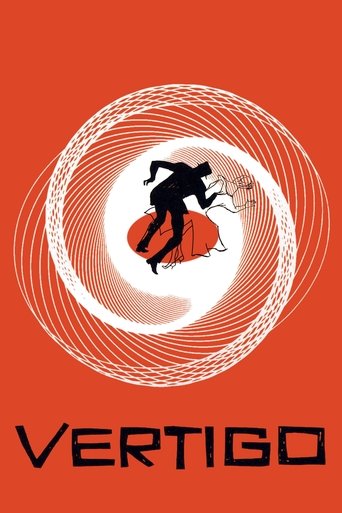
Vertigo (1958)
Hitchcock's film is the best-known version of the story of a man remaking a woman to fit his fantasy. Compare how each film judges its protagonist.
Explore the era or movement
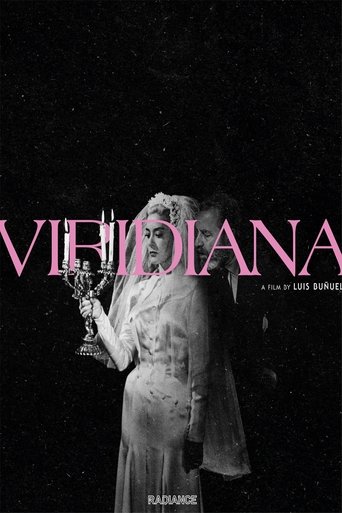
Viridiana (1961)
Buñuel's film shows the Spanish art-cinema tradition of attacking hypocrisy and repression through irony and indirection, which Saura inherits.
Continue the director
Cría Cuervos (1976)
Saura's later film uses childhood memory and fantasy to explore the same repressive world, with Geraldine Chaplin again in a central role.
Coming soon
Follow the idea
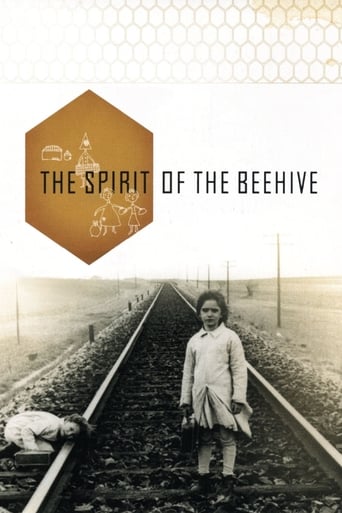
The Spirit of the Beehive (1973)
A quieter, more poetic Spanish film of the Franco years, using atmosphere and a child's view to suggest what could not be said openly.
Compare another approach
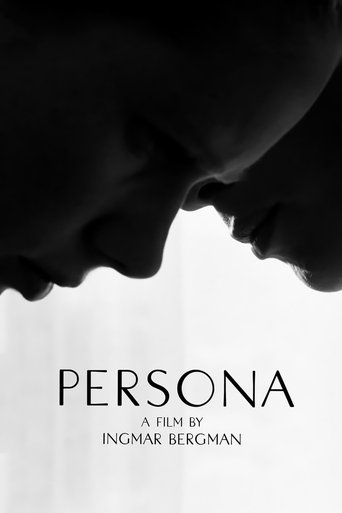
Persona (1966)
Bergman's film also explores two women whose identities blur, but through a more abstract, introspective approach.