Drama
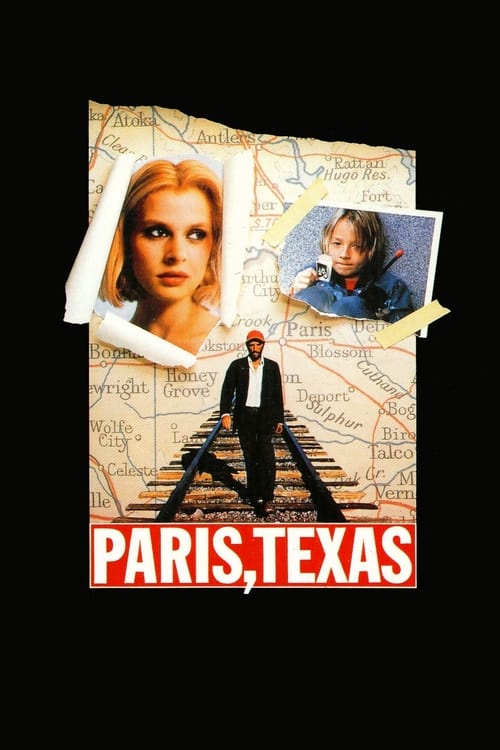
Paris, Texas
German
1984 · Directed by Wim Wenders · 145 min


Drama
German
1984 · Directed by Wim Wenders · 145 min






Meaning, unpacked
Central idea
The film explores the gap between wanting to love someone and knowing how to be with them. It can be read as a study of loss, guilt and communication, using America's empty spaces as a picture of emotional isolation.
What it means
Paris, Texas is a film about how little anyone manages to say. A silent man walks out of the desert, finds his young son again, and sets out with him to find the boy's mother. That is all the plot you need.
Its central idea is the gap between wanting to love someone and knowing how to be with them. Travis is not short of feeling. He is short of a way to deliver it. Glass keeps coming back: windows, mirrors, photographs, home movies. Watching someone is not the same as knowing them. His wandering can be read as penance, a punishment for what he did and a way of avoiding it. The empty American landscape mirrors that isolation, and the freedom of the open road turns out to be inseparable from rootlessness.
Why it mattered
In 1984 this was a slow, European-minded art film that took the landscapes and myths of the American Western and looked at them anew. It trusted images over explanation. The near-wordless desert opening, a lone figure in a huge frame with Ry Cooder's guitar speaking for him, sets that method for everything after.
It also marked a return to small crews, real locations and creative control for Wim Wenders, who had just come through a difficult studio experience on Hammett. He shot largely in story order, letting the film evolve with the journey. It premiered at Cannes and won the Palme d'Or, bringing a European-made art film to a wide international audience. Critics praised its images, Harry Dean Stanton and the music, though some found it slow.
Before anyone tells you what to think: what did you make of it?
Log in to rate it and leave commentsIt takes one click with Google or an email link. You come straight back here.
Rate it, keep your notes, and find the next film.
Free, no ads. Your journal, your lists, a Cine Guide that remembers you.
Create your free spaceIts blend of road movie, minimalism and Americana shaped later independent filmmakers. Cooder's slide guitar, adapted from Blind Willie Johnson's "Dark Was the Night, Cold Was the Ground", became shorthand for American loneliness and the open road, and Robby Müller's saturated, painterly desert imagery became a touchstone for films about displacement. It is a staple of film courses on road movies and on how European directors see America.
Its reputation has only grown. It is now seen as Wenders' defining work and one of the finest portraits of the American landscape by a foreign director. Stanton in his red cap and rumpled suit became the image of his career. The booth scene, with Nastassja Kinski in her fuzzy mohair sweater, is still analysed for how it treats gaze, confession and gender.
What happens
Travis brings Jane and Hunter together in a Houston hotel, then drives off alone into the night. Reunited with her son, Jane has what he came to give her, and Travis decides he has no place in their lives.
The last image
Travis's truck pulls away through the Houston night as Jane and Hunter hold each other in the hotel room.
Three readings
What it says
The film refuses the reunion you might expect, because love here means stepping away. Travis can reach people only through glass, a phone or distance. The ending leaves his choice unjudged, and the film is more honest for it.
Or follow an idea from this film

Continue the director
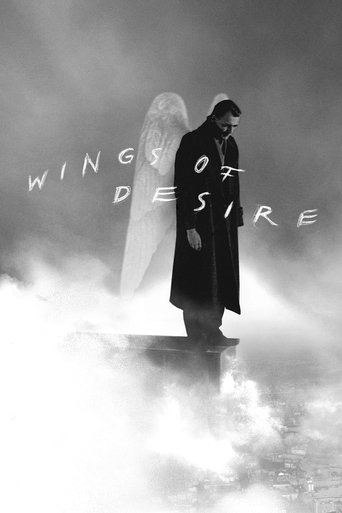
Wings of Desire (1987)
Wenders' other great film of the decade moves to Berlin and takes a more fantastical turn, but keeps the same attentiveness to loneliness and longing.
See what influenced it
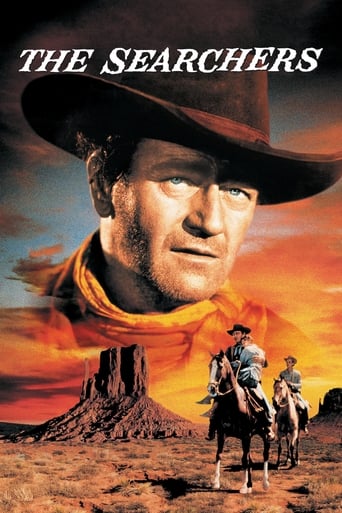
The Searchers (1956)
Ford's Western gives the clearest model for the lone figure crossing the American landscape, which Wenders both borrows and quietly reverses.
Compare another approach
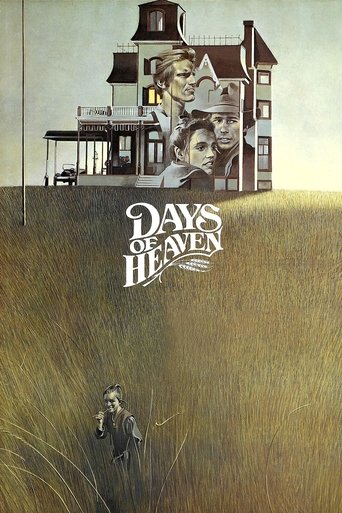
Days of Heaven (1978)
Another visually exceptional view of American space, with spare dialogue and a landscape that expresses what the characters cannot say.
Follow the idea
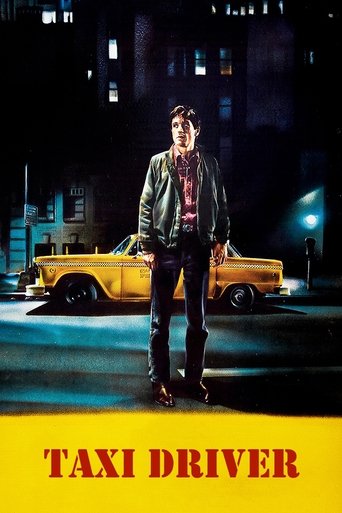
Taxi Driver (1976)
A very different portrait of an isolated man and his misreading of intimacy, useful for seeing how Wenders treats similar loneliness with tenderness rather than menace.
Jump forward
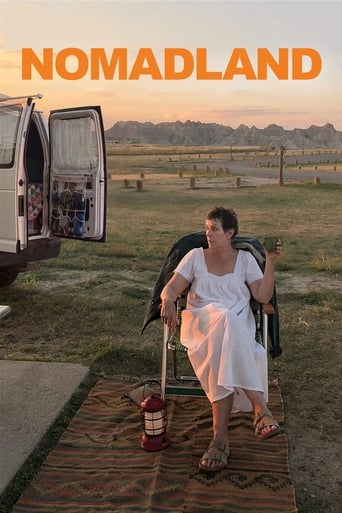
Nomadland (2020)
A modern descendant of this film's mood, following drifters through the American West with quiet realism and a sense of lives lived on the road.