Drama
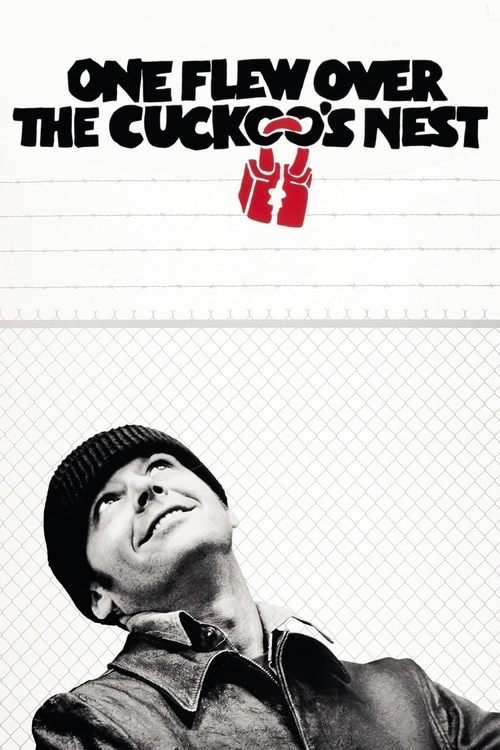
One Flew Over the Cuckoo's Nest
American
1975 · Directed by Miloš Forman · 135 min


Drama
American
1975 · Directed by Miloš Forman · 135 min



Meaning, unpacked
Central idea
The film can be read as a study of how institutions enforce conformity through routine and gentle pressure as well as force, and of what it costs to resist. It asks whether rebellion frees people or only exposes them.
What it means
McMurphy takes on Nurse Ratched's ward, and it costs him dearly. In the end, it is the silent Chief who walks out. But the plot is the least of it. The film is really about how institutions enforce conformity, and not only through force. Schedules, routines and a gentle, polite voice do just as much work. It asks a hard question: does rebellion free people, or only expose them?
Watch the group therapy sessions. Nothing violent happens, yet the framing shows who is watched and who does the watching. Control arrives looking like care, and Louise Fletcher plays the nurse as someone who believes she is helping. Around that run other ideas: many patients are in the ward voluntarily, so what do people give up for security? Sanity becomes a social label, speaking and laughing become acts of defiance, and silence is both a protection and a punishment.
Why it mattered
In 1975, a character-driven drama that was openly critical of authority became a major commercial success. That was rare. The film is a defining example of New Hollywood's anti-authority streak, reaching a mass audience without softening its edge. It swept the five major Oscars: Picture, Director, Actor, Actress and Adapted Screenplay. Only one earlier film, It Happened One Night, had done that.
It also looked different from what you might expect. Miloš Forman, who came from Czechoslovakia and had made satirical comedies about people under rigid systems, shot in a real hospital with flat, naturalistic light. Nothing is styled like a horror film, and Jack Nitzsche's spare score, with its eerie musical saw, suggests unease without gothic nightmare. Forman left room for improvisation and treated the patients as individuals, so the comedy and the pain come from character. The ward feels ordinary, and that is the point.
Before anyone tells you what to think: what did you make of it?
Log in to rate it and leave commentsIt takes one click with Google or an email link. You come straight back here.
Rate it, keep your notes, and find the next film.
Free, no ads. Your journal, your lists, a Cine Guide that remembers you.
Create your free spaceThe film helped define the modern story of the individual against an oppressive institution, from prison dramas to later asylum stories. It shaped popular images of psychiatric hospitals and treatments as tools of control. "Nurse Ratched" became shorthand for a rigid, domineering authority figure, and McMurphy remains the reference point for the charismatic nonconformist. The Silence of the Lambs later matched its Oscar sweep. The film is now used in psychology, nursing and medical-humanities courses to discuss stigma and patient autonomy.
Its reputation today is that of a classic, but a contested one. It remains one of the most widely seen American films of its decade. Yet some critics and psychiatric professionals objected to its portrayal of treatment, and Nurse Ratched has been discussed as a sexist stereotype, set against a swaggering male outsider. Perhaps that suits a film about who gets to decide what counts as normal.
What happens
After McMurphy is lobotomized, the Chief smothers him rather than leave him that way. Then he lifts the heavy hydrotherapy console, throws it through a window and runs out into the open country, escaping the ward McMurphy couldn't.
The last image
The Chief runs across open country toward the horizon, a free man at last.
What it says
McMurphy's rebellion costs him everything, but it wakes the Chief, who finally acts. The film ends on an escape, not a victory: resistance can be destroyed, yet what it gave another person can still walk free.
Or follow an idea from this film

Continue the director
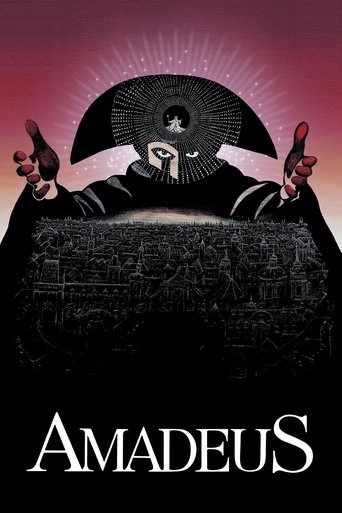
Amadeus (1984)
Forman's other great American success is another story of a gifted, disruptive outsider confronting a rigid establishment, in a very different setting.
Follow the idea
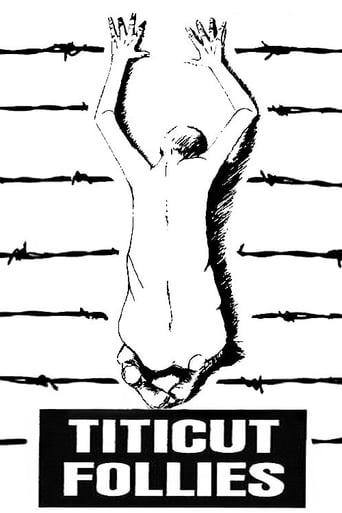
Titicut Follies (1967)
Frederick Wiseman's documentary of a Massachusetts hospital for the criminally insane shows the real institutional world that fiction like this draws on.
Explore the era or movement
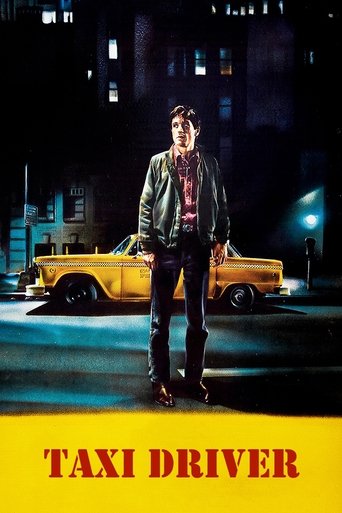
Taxi Driver (1976)
Released a year later, it shows the darker, more alienated side of 1970s American cinema and another loner in conflict with society.
Compare another approach
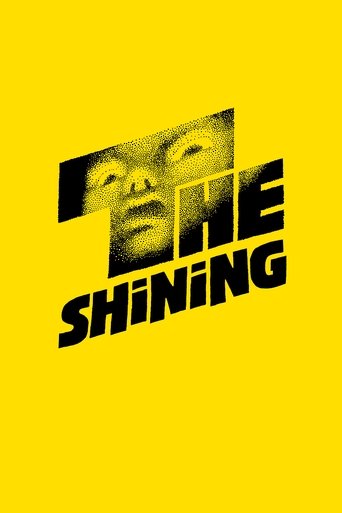
The Shining (1980)
Nicholson again plays a man in a closed, controlling environment, but here the story is horror and he is the threat.

See its influence
The Shawshank Redemption (1994)
A clear descendant: an institution, a shared hope, and the question of whether freedom can be lived or only dreamed.