Comedy · Drama · Thriller
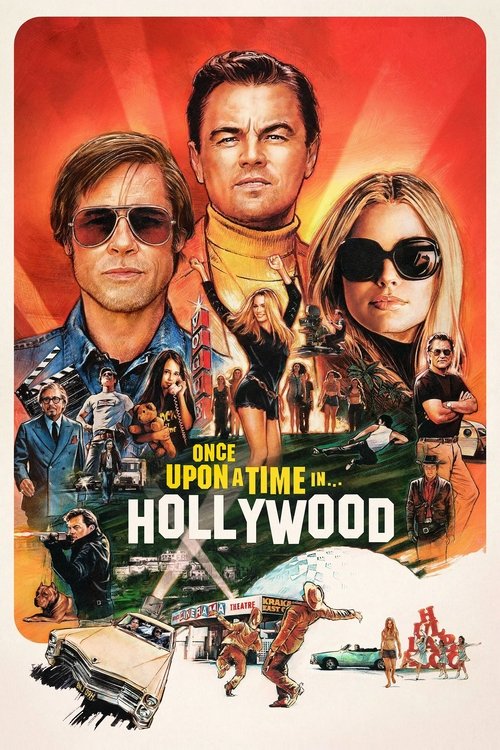
Once Upon a Time... in Hollywood
American
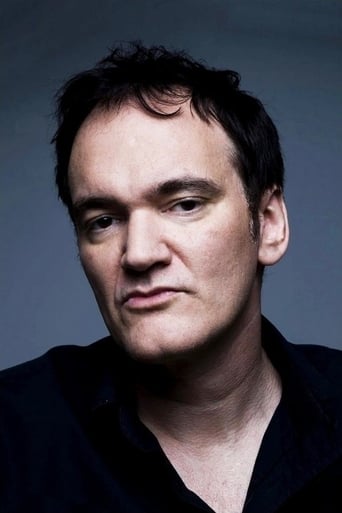
2019 · Directed by Quentin Tarantino · 162 min


Comedy · Drama · Thriller
American
2019 · Directed by Quentin Tarantino · 162 min








Meaning, unpacked
Central idea
The film can be read as an elegy and a wish: a portrait of Hollywood at a moment of transition, and an argument that movies can offer a kinder version of the world than history did.
What it means
Once Upon a Time... in Hollywood is an elegy and a wish. It mourns a Hollywood that is slipping away, as old studio westerns and TV series give way to a younger, harder, more European and countercultural industry. Rick Dalton, a fading television western star, feels that change as personal decline. He is not based on one real actor. He is a type: the TV-western star who struggled to make the leap to films.
But the heart of the film is not the history. It is Rick and his stunt double Cliff, whose bond is part employment, part marriage of convenience, part brotherhood. Around them, sunny Los Angeles streets sit beside a quiet, creeping sense of danger. Then comes the ending. If you know the history, you expect tragedy. The film refuses it, and gives the real victims the fate fiction owes them. It does not pretend the past can be changed. It lets us spend a little longer in a world where it was.
Why it mattered
The film arrived as a late-career landmark of auteur cinema, one of the most prominent big-studio films of the 2010s to look back at Hollywood's own past. It was made on 35mm film when digital was standard, with warm, wide frames, long tracking shots and views from moving cars that treat Los Angeles as a character.
Its craft was a statement too. Barbara Ling and Nancy Haigh dressed real stretches of Hollywood Boulevard with period signs, storefronts and cars, aiming for real locations rather than digital effects, and won the Oscar for production design. With no credited composer, period songs and Los Angeles radio, with its DJs and ads, served as the score and as a time machine. The structure is a drifting, episodic day in the life that converges on one night, held together by a time jump and a narrator.
Before anyone tells you what to think: what did you make of it?
Log in to rate it and leave commentsIt takes one click with Google or an email link. You come straight back here.
Rate it, keep your notes, and find the next film.
Free, no ads. Your journal, your lists, a Cine Guide that remembers you.
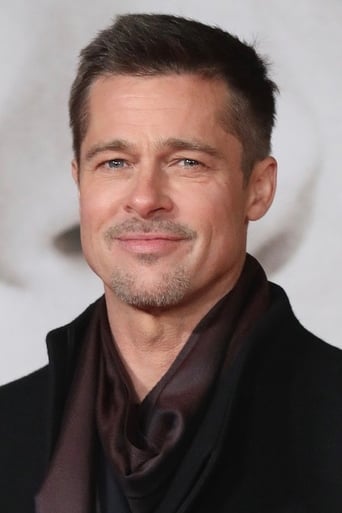
Create your free spaceCritics largely praised the performances, the period craft and the mood, and audiences came: it earned over 370 million dollars worldwide. It had ten Oscar nominations and two wins, Brad Pitt for Best Supporting Actor and the production design, and it competed for the Palme d'Or at Cannes. It also drew criticism for Sharon Tate's limited dialogue, the use of violence in the ending, and the portrayal of Bruce Lee, which Lee's daughter Shannon found demeaning. Tarantino defended the scene, and it remains one of the film's most debated moments.
The film belongs to a wave of 2020s films that look back at Hollywood's own past, and it revived the question of whether fiction should rewrite real tragedies. Today it is often read as Tarantino's most reflective film, warmer and more melancholic than his earlier revenge films. Admirers return to its mood and performances, while debates about its treatment of women and real people continue.
What happens
On the night of 8 August 1969, Manson's followers choose Rick's house over Sharon Tate's. Cliff and his dog fight them off and Rick finishes one with a flamethrower. Sharon and her friends are unharmed, and Rick is invited up to meet them.
The last image
Rick walks up toward Sharon Tate's house, where she and her friends welcome him in.
What it says
The film refuses the tragedy you expect from history. It uses cinema to give the real victims the fate fiction owes them, an elegy turned into a wish. It does not change the past; it lets you linger in a world where it changed.
Or follow an idea from this film

Continue the director
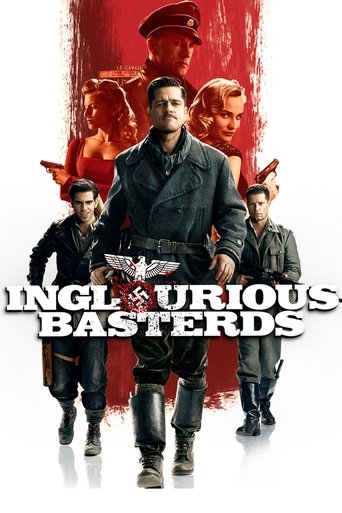
Inglourious Basterds (2009)
Tarantino's earlier, more openly playful reworking of history. It shows the director's long fascination with what movies can do to real events.
See what influenced it
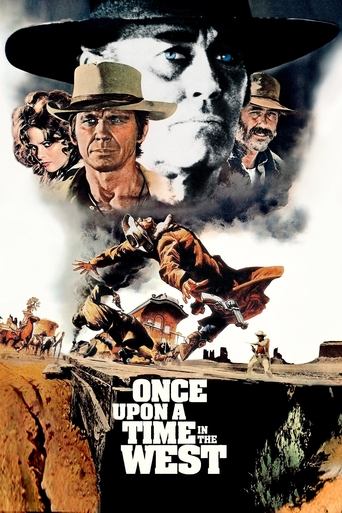
Once Upon a Time in the West (1968)
Leone's western supplies the title and the sense of an era passing. Watching it clarifies Tarantino's debt to the genre.
Compare another approach
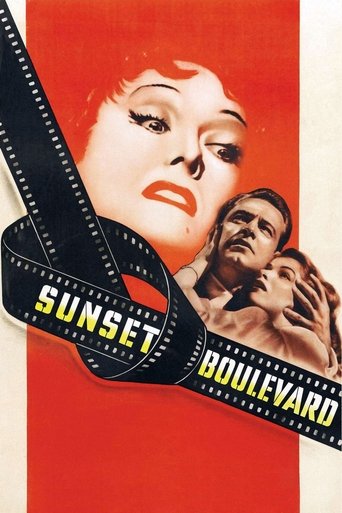
Sunset Boulevard (1950)
A darker, more bitter view of the same fear of obsolescence in Hollywood, which makes Tarantino's affection stand out.
Explore the era or movement
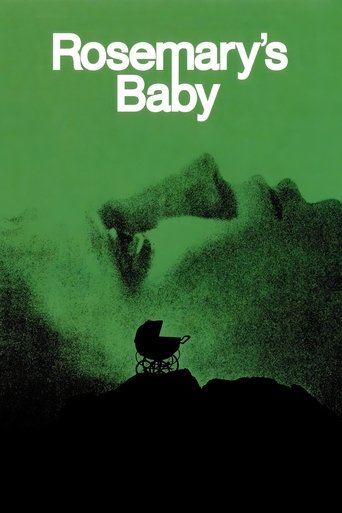
Rosemary's Baby (1968)
Roman Polanski's film from the same Los Angeles moment captures the city's paranoia beneath its glamour.
Explore the era or movement
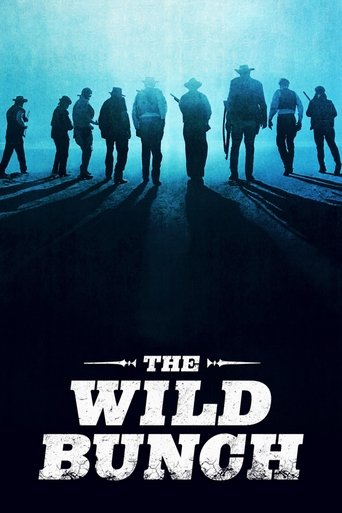
The Wild Bunch (1969)
A violent, elegiac western from the same year, which marks the end of the old Hollywood western and the arrival of a harder style.