Crime · Drama · Romance
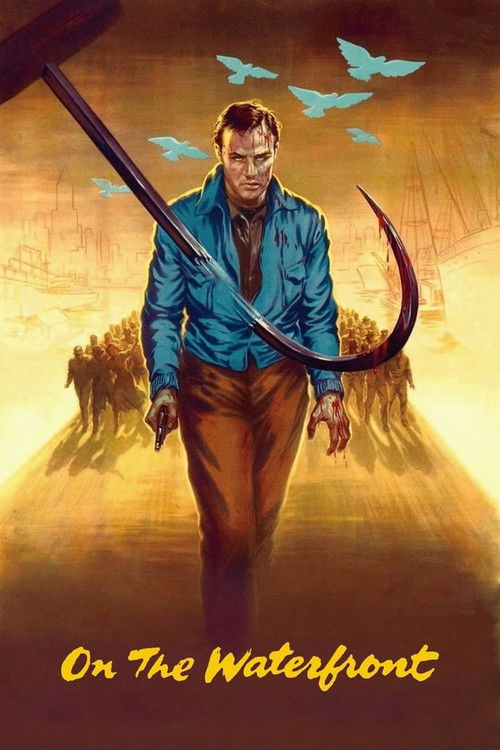
On the Waterfront
American
1954 · Directed by Elia Kazan · 108 min


Crime · Drama · Romance
American
1954 · Directed by Elia Kazan · 108 min


Meaning, unpacked
Central idea
The film is about the moral cost of silence and the difficulty of choosing conscience over loyalty. It can be read as asking what a man owes to the group that has protected him, and what he owes to himself.
What it means
Terry Malloy is a former boxer on the docks who finally chooses to speak against the corrupt union that owns his world. Then he walks down the dock to work. The film is about everything underneath that.
At its heart is a question about silence. The dockworkers are afraid, so everyone sees and nobody speaks, and the film treats that silence as something a whole community does together, which keeps the system running. Terry lives by a code of never informing, but the code protects violent men. So is loyalty to a group a virtue, or just another way of being complicit? What does a man owe the people who protected him, and what does he owe himself? Around that sit Terry's shame over his boxing past, Father Barry's argument that faith belongs on the docks, and the real bond between Terry and his brother Charley, set against the union's fake family of favours and fear.
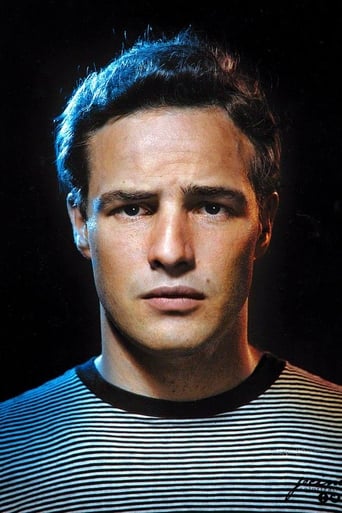
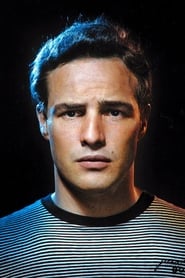
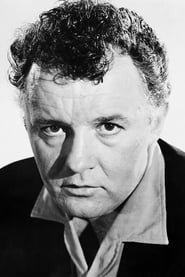
The taxi scene is the emotional centre. Brando and Rod Steiger play it close and quiet, and the argument about loyalty becomes personal grief over what each brother has become. The famous line, "I coulda been a contender," has been parodied endlessly, but there it is an accusation, and a confession.
Why it mattered
On release it was a major box-office hit and a critical success, praised for Brando's performance, its gritty look and its moral urgency. It earned twelve Oscar nominations and won eight, including Best Picture, Director, Actor for Brando and Supporting Actress for Eva Marie Saint.
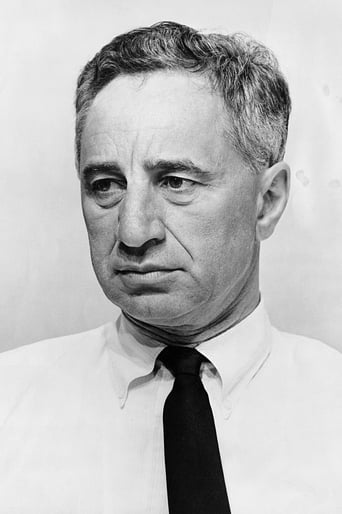
Its newness was in how it felt. Brando's pauses, hesitations and mumbled tenderness broke from older studio acting, and director Elia Kazan, a founder of the Actors Studio, built scenes around emotional behaviour. The film was shot on location in and around Hoboken, New Jersey, in cold weather. Boris Kaufman's hard grey light, fog and steam gave it a documentary feel, yet the frames are almost painterly. Budd Schulberg's spare script, grown from newspaper reporting on waterfront crime, is why the big speeches land: these people otherwise say so little.
Before anyone tells you what to think: what did you make of it?
Log in to rate it and leave commentsIt takes one click with Google or an email link. You come straight back here.
Rate it, keep your notes, and find the next film.
Free, no ads. Your journal, your lists, a Cine Guide that remembers you.
Create your free spaceBrando's performance became a template for the naturalistic, emotionally raw acting that dominated American film in the decades after. Its mix of street realism and moral drama fed into Scorsese, Coppola and other New Hollywood filmmakers, and you can hear echoes of it in The Simpsons and The Sopranos. It is still taught in film and acting courses.
Now the harder part. Kazan and Schulberg had both given names to the House Un-American Activities Committee before making it, and many read Terry's choice to testify as a defence of theirs. Some critics objected at the time; others admired it without reservation. Today it stands as a landmark of screen acting and 1950s realism, and most people watch it with both facts in view. It may be a great film that can't be separated from its makers' compromised position. Maybe that's why it still unsettles.
What happens
Terry testifies against Johnny Friendly, is shunned, then beaten bloody in a showdown with him. He gets back up, and the dockworkers refuse to work unless he does. He staggers toward the warehouse and they follow.
The last image
Terry, barely standing, walks into the warehouse as the dockworkers fall in behind him, leaving Friendly alone outside.
Two readings
What it says
Silence kept the union in power, so the workers' choice to follow Terry is what ends it. Courage turns from private act into shared action. The ending is uplifting, but it also makes an argument about informing that viewers still dispute.
Or follow an idea from this film
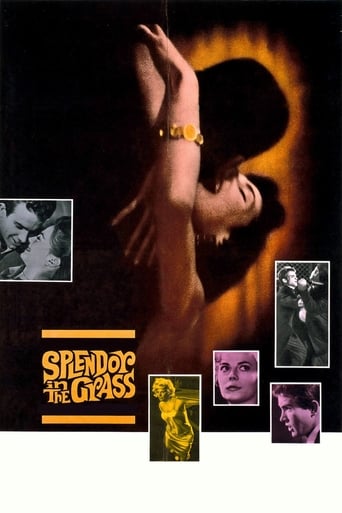

Continue the director
Splendor in the Grass (1961)
Kazan's later drama again builds a story around emotional repression and naturalistic young performances, showing how his actor-focused direction developed.
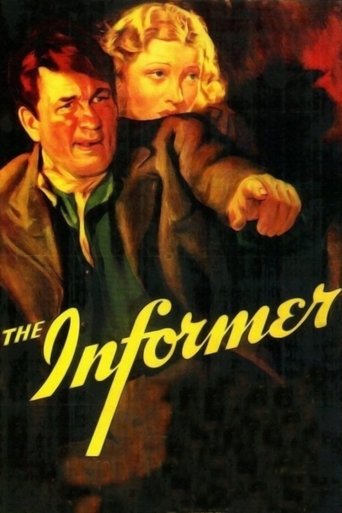
See what influenced it
The Informer (1935)
John Ford's earlier film about betrayal inside a tight-knit community shows the older studio treatment of informing and guilt.
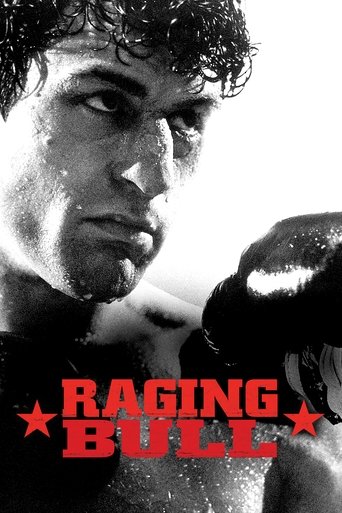
See its influence
Raging Bull (1980)
Scorsese's black-and-white study of a fighter shows the line from Brando's physicality and Method realism to the next generation.
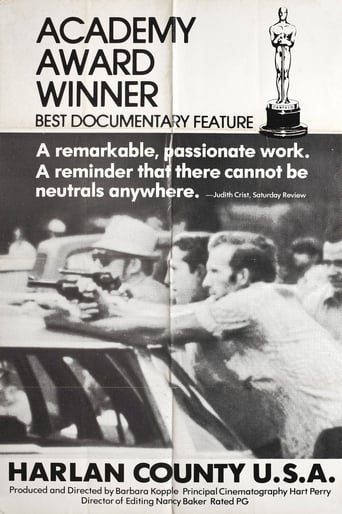
Follow the idea
Harlan County U.S.A. (1976)
A documentary on a coal miners' strike, it gives a real-life view of labor struggle, violence and intimidation that the film dramatises.
Explore the era or movement
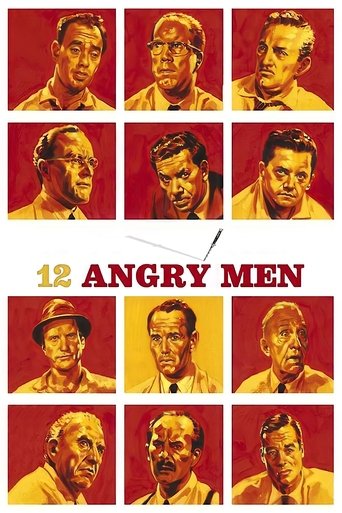
12 Angry Men (1957)
Another black-and-white 1950s American drama that turns a moral choice and the courage to dissent into tense, character-driven cinema.