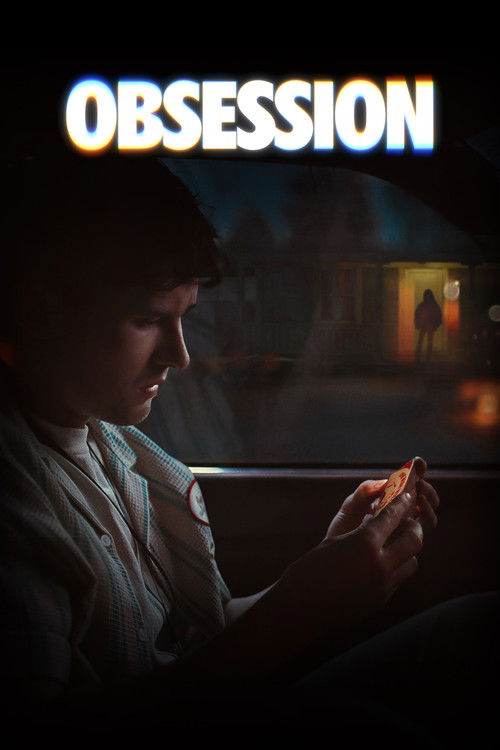
Horror · Thriller
Obsession
American
2026 · Directed by Curry Barker · 109 min


Horror · Thriller
American
2026 · Directed by Curry Barker · 109 min











Meaning, unpacked
Central idea
The film can be read as a study of wanting to be loved: what happens when a longing for another person becomes a wish for control rather than connection, and whether that desire can ever be innocent.
What it means
A young man breaks the Willow, makes a wish, and gets what he asked for. The film's real subject is wanting to be loved. More precisely, it asks what happens when longing for another person stops being about connection and becomes a wish for control, and whether that kind of desire can ever be innocent.
The central theme is desire versus consent: does someone's affection mean anything if it was requested rather than earned? The hero asks for something that belongs to someone else to give. He sees himself as a hopeless romantic, but that flattering label hides entitlement and insecurity that feed each other. The old wish-story tradition is at work here: what you ask for reveals who you are.
Why it mattered
It's very early to speak of a place in film history. Obsession is a 2026 film, so it has no settled standing yet. What stands out is how it works. Curry Barker built his reputation with short comedy and horror films shared online, and that training taught him to set up a premise and its tone fast. Here he stretches that approach to feature length.
The film lives on its tone. Early scenes are awkward and funny, so you laugh and side with the hero. When the menace arrives, it's more uncomfortable, because you've been charmed by behaviour you now read differently. Timing decides whether a scene feels funny or frightening, and the film thrives on that edge. A single high-concept premise keeps the story focused on cause and consequence.
Before anyone tells you what to think: what did you make of it?
Log in to rate it and leave commentsIt takes one click with Google or an email link. You come straight back here.
Rate it, keep your notes, and find the next film.
Free, no ads. Your journal, your lists, a Cine Guide that remembers you.
Create your free spaceAs a recent release, its critical and audience reception is still taking shape. Early attention has centred on Barker's online background and on the blend of comedy and horror. There are no awards to report, and it's too soon to trace any direct influence on other filmmakers or on the wider world.
It does sit within a wave of horror directors who came from outside the traditional routes, and it may be read as part of that shift. Its lasting reputation will probably depend on repeat viewing: do the tonal blend and the wish-story premise still hold when you know where it's going? That's worth testing yourself.
What happens
I can't responsibly describe the final scenes, because the material I have doesn't include them. What it does say is that the closing stretch settles what he owes the person his wish affected, and what he will give up to face it.
The last image
I can't describe the last image with certainty, so I won't guess at it.
What it says
The ending turns on that question of what he owes. The film asks whether wanting someone can ever be innocent when it becomes a wish for control. So it closes on his accountability, not on whether the wish worked.
Or follow an idea from this film
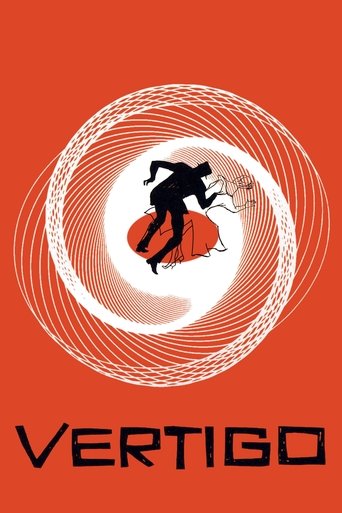

Follow the idea
Vertigo (1958)
Another study of obsessive desire, where longing for another person shades into something more troubling.
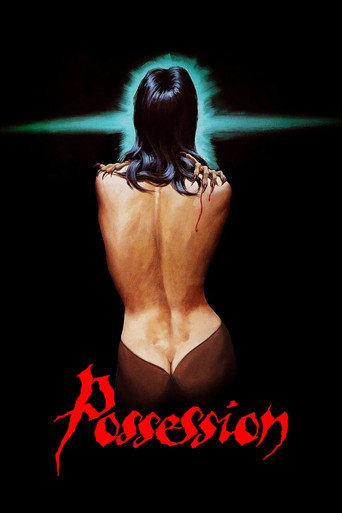
Compare another approach
Possession (1981)
A very different, more extreme horror about love and the breakdown of a relationship.
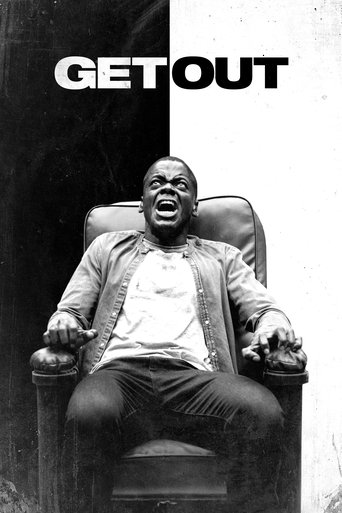
Explore the era or movement
Get Out (2017)
A recent horror film that blends comedy, social awkwardness and dread, and is a useful comparison for tonal balance.
See what influenced it
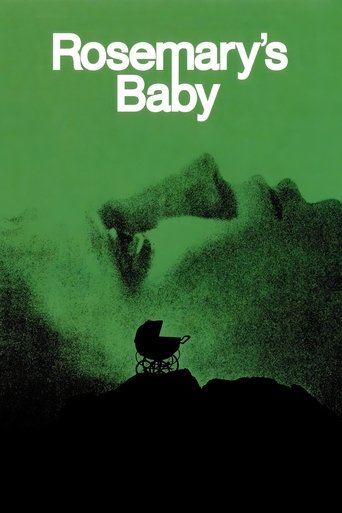
Rosemary's Baby (1968)
A classic of horror built from intimate, everyday relationships rather than spectacle.