Drama · Thriller
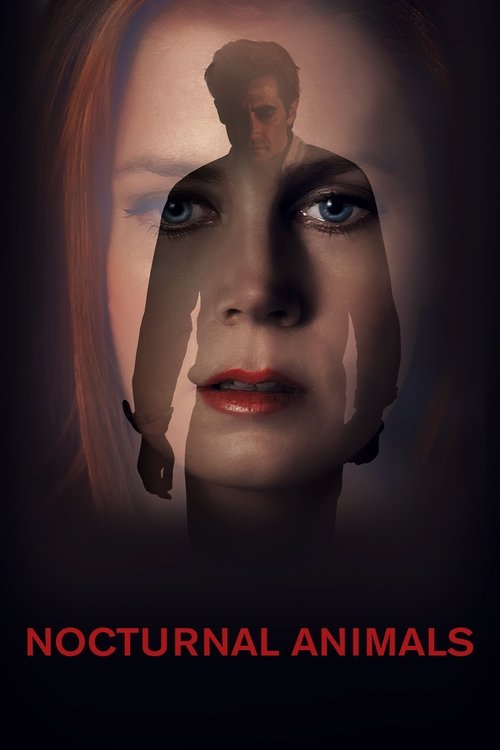
Nocturnal Animals
American
2016 · Directed by Tom Ford · 116 min


Drama · Thriller
American
2016 · Directed by Tom Ford · 116 min






Meaning, unpacked
Central idea
The film can be read as a study of how art becomes a form of accusation, and how a story can say what its author could not say aloud. It asks what we owe to the people we leave, and what we discard when we choose comfort.
What it means
On the surface, a gallery owner reads a novel written by her ex-husband, sees herself in it, and then waits for him in a restaurant. He never comes. Underneath, the film is about how art can become an accusation, and how a story can say what its author could not say aloud. It also asks what we owe to the people we leave, and what we throw away when we choose comfort.
The novel's central scene is a Texas highway, where a decent man is helpless before his wife and daughter. That humiliation is the wound the book keeps trying to answer, and the film ties it to Edward, who was once judged weak. The flashbacks show Susan choosing security and status over a dreamer, while her glamorous present gives little back. Jake Gyllenhaal plays both Edward and the novel's hero, so the book reads as Edward's self-portrait. And Edward's absence at the end is deliberate: many people read that silence as the revenge itself.
Why it mattered
Tom Ford came from fashion, as creative director at Gucci and then Yves Saint Laurent. This was his second film, after A Single Man, and it showed that first film was no fluke. A designer's eye built suspense out of decor, costume and colour. It premiered at Venice in 2016 and won the Grand Jury Prize.
Its structure was the bold part. Three timelines, the present, the past and the novel, are woven together, and Ford doesn't explain the links. Images, gestures and lines echo across the strands, so you feel the connections before you can name them. Each strand looks different: cool, glassy Los Angeles, warmer memory, dusty, hard-lit Texas. It proved a nested story-within-a-story could work for an adult audience.
Before anyone tells you what to think: what did you make of it?
Log in to rate it and leave commentsIt takes one click with Google or an email link. You come straight back here.
Rate it, keep your notes, and find the next film.
Free, no ads. Your journal, your lists, a Cine Guide that remembers you.
Create your free spaceIts influence is more as an example than a template: a prestige thriller that showed a layered structure could hold an audience, and that style could carry dread. It confirmed Ford as a serious director. The opening titles became one of the film's most talked-about images, and viewers still argue over whether they are provocative art, a comment on Susan's world, or plain shock. The film also sent readers back to Austin Wright's 1993 novel, reissued under the film's title.
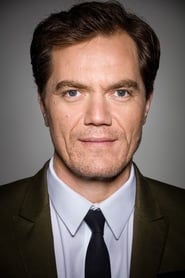
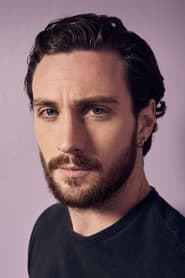
Critics praised its craft, its score and its performances. Michael Shannon earned an Oscar nomination, and Aaron Taylor-Johnson won the Golden Globe. Some found its violence and bleak view of people cold or punishing, and it did modest business. Today it is divisive but admired, often discussed beside Vertigo and the work of David Lynch.
What happens
Susan waits at the restaurant, dressed carefully, and Edward never arrives. Inside the novel, Tony kills Ray but dies in the desert. You learn the book was Edward's message about her choices and the loss she kept from him.
The last image
Susan sits alone at the restaurant table, still waiting, her face slowly giving way as it sinks in that he isn't coming.
Three readings
What it says
The film suggests a story can wound more deeply than a confrontation. Withholding the scene we expect makes Susan, and us, sit in the silence, with the cost of choosing comfort over love.
Or follow an idea from this film
Continue the director
A Single Man (2009)
Tom Ford's first film is a quieter drama about grief, with the same meticulous design and an equally controlled performance at its centre.
Coming soon

See what influenced it
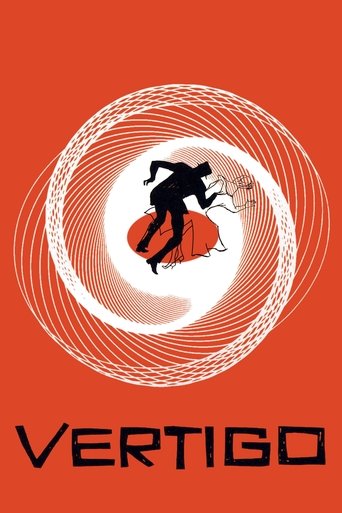
Vertigo (1958)
The model for a film built on longing, guilt and a woman and man who cannot undo their past, with a score that carries the emotion.

Follow the idea
Blue Velvet (1986)
David Lynch's film likewise sets a polished surface against violence and obsession beneath it, and its suspense comes from tone as much as plot.
Compare another approach
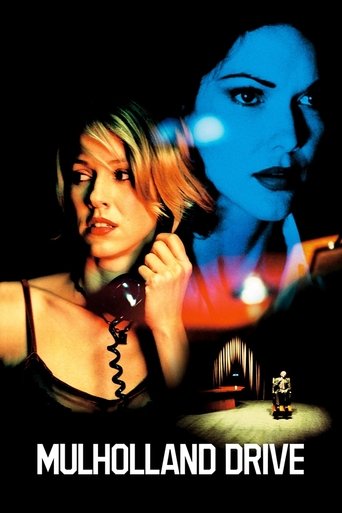
Mulholland Drive (2001)
Another film where layered realities reflect a character's guilt and desire, though Lynch leaves the layers far more open and dreamlike.
Compare another approach
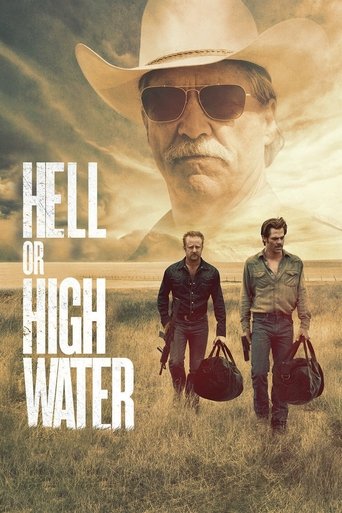
Hell or High Water (2016)
Released the same year and also set in west Texas, it handles a crime story with a very different, plainer realism.