Crime · Thriller · Western
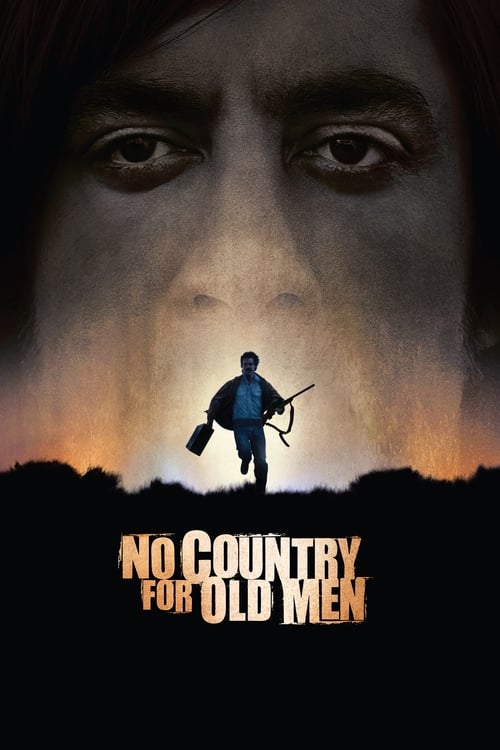
No Country for Old Men
American
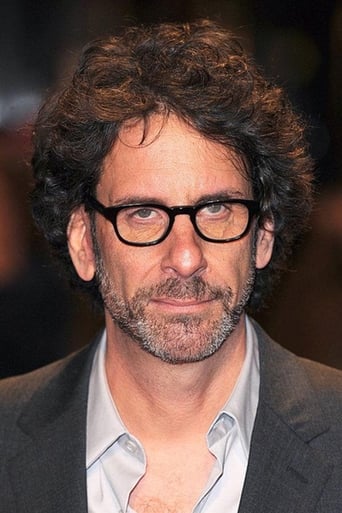
2007 · Directed by Joel Coen & Ethan Coen · 122 min


Crime · Thriller · Western
American
2007 · Directed by Joel Coen & Ethan Coen · 122 min







Meaning, unpacked
Central idea
The film can be read as a story about the limits of understanding. Violence arrives with no clear logic, and the people who try to explain or contain it, above all the ageing sheriff, find that their old moral frameworks no longer fit.
What it means
One way to read No Country for Old Men is as a story about the limits of understanding. Violence arrives with no clear logic, and the people who try to explain it or contain it find that their old moral frameworks no longer fit. That includes the ageing sheriff at the film's heart, Ed Tom Bell, who is always arriving too late.
The set-up is simple. In Texas in nineteen eighty, Llewelyn Moss takes two million dollars from a drug deal gone wrong, and that one impulsive act can't be undone. Anton Chigurh comes to recover it, killing whoever is in his way and sometimes letting a coin toss decide whether a stranger lives. Chance, greed and consequence run through everything. Chigurh feels less like a man with a psychology than a force with a rigid, incomprehensible code. In the final scene, Bell tells his wife about a dream of his father ahead in the dark, with a fire, waiting. The chase gives way to memory, ageing and loss.
Why it mattered
The film broke the rules of the thriller. Moss, the apparent hero, is shot dead offscreen. Chigurh is hurt in a sudden car collision, with no narrative logic to protect anyone, and simply walks away. The ending refuses the usual showdown. That wasn't a lack of ideas: it follows Cormac McCarthy's novel, and the Coens, who had mostly written original scripts, kept its sparse prose, much of its dialogue and its protagonist who never reaches the final scene.
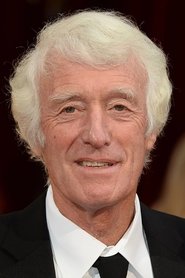
It also showed how far restraint could go. There is almost no score. Wind, footsteps and gunshots are left exposed, and the sound team turned silence into a tool for tension. In the motel scene, a faint beep, a pause and a shadow under a door are enough, with no music telling you to be afraid. Roger Deakins photographed the dry plains in clean, composed frames, and the editing never pushes emphasis. It fused the crime thriller with the Western's landscape and moral questions, and reached a mainstream audience while doing it.
Before anyone tells you what to think: what did you make of it?
Log in to rate it and leave commentsIt takes one click with Google or an email link. You come straight back here.
Rate it, keep your notes, and find the next film.
Free, no ads. Your journal, your lists, a Cine Guide that remembers you.
Create your free spaceCritics widely admired it in two thousand and seven, and many called it the Coens' strongest work in years. It competed for the Palme d'Or at Cannes and won four of its eight Oscar nominations: Best Picture, Best Director, Best Adapted Screenplay, and Best Supporting Actor for Javier Bardem. Some viewers found the ending frustrating, though many saw that as the point.
Its influence is wide. Its austere, scoreless suspense and its philosophical hitman fed a wave of grim crime dramas, from Breaking Bad to Hell or High Water and Sicario, and it encouraged studios to trust restraint in thrillers. The title, borrowed from Yeats through McCarthy, became a headline template, and "Call it, friendo" lives on in memes. It also brought McCarthy to a broader audience. Today it is often counted among the best American films of the 2000s, regularly cited among great screen villains, and taught as an exercise in tension and restraint. The divisive ending is now seen as central to its meaning.
What happens
Moss is killed offscreen, Chigurh kills Carla Jean and survives a car crash, and Bell retires. He then tells his wife a dream: his father rides ahead in the dark, carrying fire, waiting for him.
The last image
Bell's wife listens as he finishes his dream, and the film cuts to black on the quiet kitchen.
Three readings
What it says
The film denies you a showdown because violence here has no logic to resolve. Bell cannot understand or stop it, so the story turns to memory and ageing, and to whatever hope he can carry into the dark.
Or follow an idea from this film

Continue the director
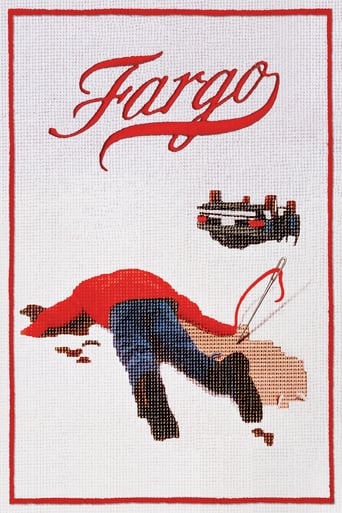
Fargo (1996)
The Coens' other great crime film pairs a similar mix of dry humour and sudden violence with a very different, snowbound setting.
Follow the idea
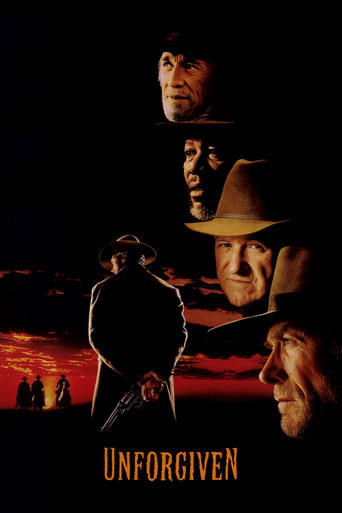
Unforgiven (1992)
A revisionist Western about an ageing man confronting violence and the collapse of the old myths, close in mood to the sheriff's story.
Compare another approach
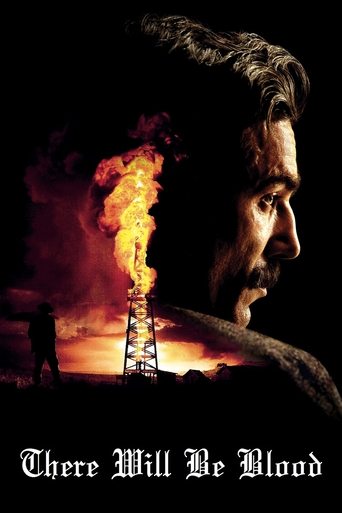
There Will Be Blood (2007)
Released the same year, it also uses a sparse, severe approach and a dark view of American appetite, with its own unforgettable central figure.
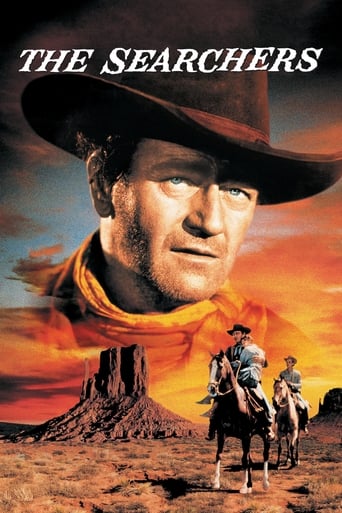
See what influenced it
The Searchers (1956)
The classic Western that established the lonely, morally troubled landscape of the genre, which this film reshapes.
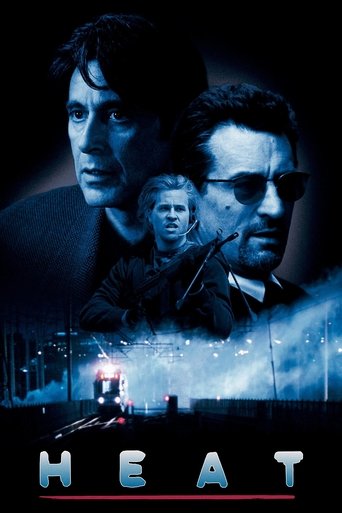
Compare another approach
Heat (1995)
A crime film about a pursuit between lawman and criminal, but with a more operatic, humanising tone, which makes the contrast useful.