Horror · Thriller · Science Fiction
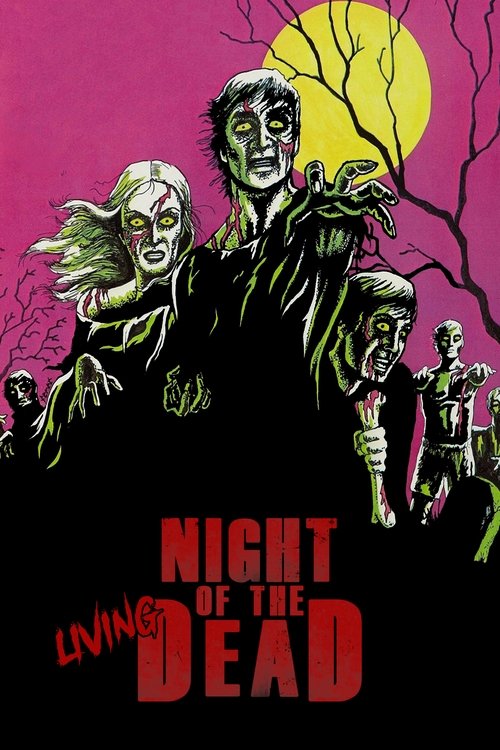
Night of the Living Dead
American
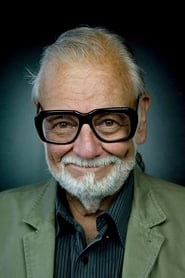
1968 · Directed by George A. Romero · 96 min


Horror · Thriller · Science Fiction
American
1968 · Directed by George A. Romero · 96 min



Meaning, unpacked
Central idea
The film is about what happens to a group when the structures that normally protect them vanish. Reading the horror as a breakdown of trust, reason and cooperation, it suggests the living are as dangerous to each other as the dead.
What it means
What happens to a group of people when everything that normally protects them disappears? That is the question at the heart of Night of the Living Dead. The threat outside the farmhouse is simple and relentless, but the real horror is inside, where trust, reason and cooperation fall apart. The film suggests the living can be as dangerous to each other as the dead.
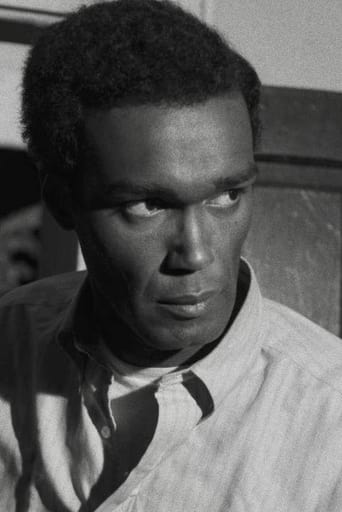
Ben wants to hold the ground floor. Harry Cooper wants to seal himself in the cellar. Both plans make sense, and neither man will give way, so their quarrelling does more damage than the ghouls at the door. Even families become threats, and the home turns into a trap. Many viewers also read the film against the civil rights era and the televised war and unrest of its time. Romero said Ben was not written as a Black character, so that reading grew out of the film rather than from a plan.
Why it mattered
In 1968 this was a different kind of horror. There are no castles or capes here. The terror arrives in ordinary farmland and a plain house, and it feels close to the news of its day. Radio and television bulletins carry the story, so you learn only what the characters learn. Duane Jones, cast as the commanding lead, was an unusual choice for an American horror film of the time. Romero has said he won the part on his audition.
It was made outside the studio system by Image Ten, a group of Pittsburgh commercial and industrial filmmakers who raised the money themselves. Romero directed, shot and edited. They filmed in and around a real farmhouse, and the grainy black and white hid the budget and gave the film a newsreel feel. Library music and long silences made the night more menacing. Limits became style.
Before anyone tells you what to think: what did you make of it?
Log in to rate it and leave commentsIt takes one click with Google or an email link. You come straight back here.
Rate it, keep your notes, and find the next film.
Free, no ads. Your journal, your lists, a Cine Guide that remembers you.
Create your free spaceReception was divided. Some critics and parents were appalled, especially by matinees full of children. Drive-in and midnight audiences embraced it, and it earned far more than it cost. European critics were quicker to see it as serious work. A missing copyright notice on the new title card reportedly left it in the public domain, so it was copied and screened endlessly.
Its influence is huge. Dawn of the Dead began a run of sequels that used the zombie as social satire. The film's rules shaped 28 Days Later and The Walking Dead, Shaun of the Dead spoofs its imagery, and Tom Savini directed a remake. It also inspired low-budget filmmakers. Once dismissed as an exploitation shocker, it is now seen as a landmark, perhaps because its fear never goes away.
What happens
Ben survives the night alone in the cellar. At dawn, a posse of armed locals sweeps through, spots him at a window, assumes he is one of the dead, and shoots him. His body is dragged away and burned with the rest.
The last image
Ben's body is hauled onto a pyre and burned alongside the ghouls, in grainy, news-photo stills.
What it says
The ending turns the film's fear on the living. After the dead failed to kill Ben, the rescuers do, with no malice and no doubt. The film is saying that order and authority can be as blind and deadly as the horror they fight.
Or follow an idea from this film
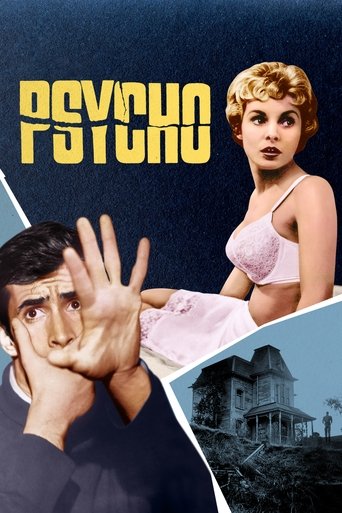

See what influenced it
Psycho (1960)
Hitchcock's film broke the rules of horror eight years earlier, with shocking violence in an ordinary setting. Seeing both shows how Romero pushed that further.
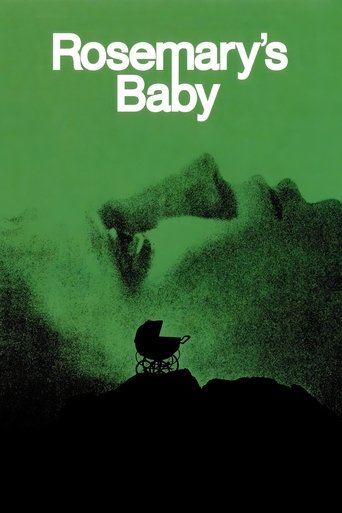
Explore the era or movement
Rosemary's Baby (1968)
Released the same year, it shows another path for horror, with a slow-building dread in a contemporary, domestic setting rather than a gothic one.
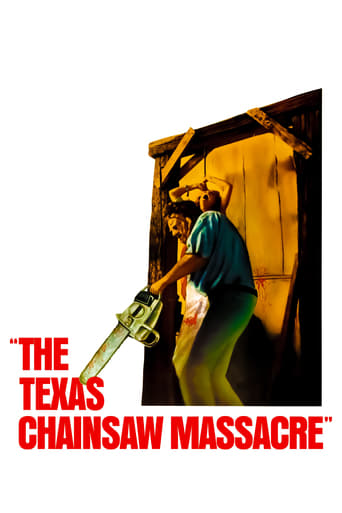
Compare another approach
The Texas Chain Saw Massacre (1974)
Another low-budget, regional, documentary-looking horror film that made American horror harsher and more disturbing.
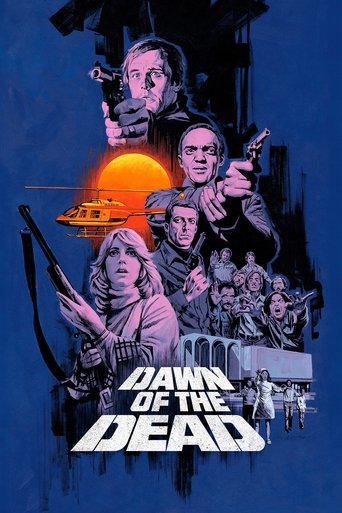
Continue the director
Dawn of the Dead (1978)
Romero's sequel, set in a shopping mall, expands the siege idea into broad social satire and shows where he took the genre.
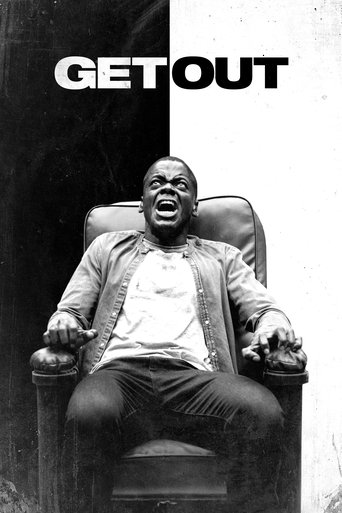
Jump forward
Get Out (2017)
A modern horror film that uses genre to confront race and social fear, extending the tradition of horror as allegory.