Drama
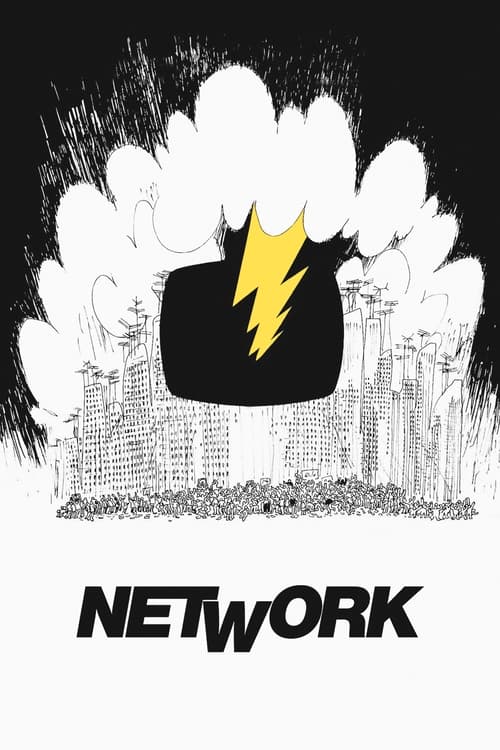
Network
American
1976 · Directed by Sidney Lumet · 122 min


Drama
American
1976 · Directed by Sidney Lumet · 122 min







Meaning, unpacked
Central idea
Network explores what happens when information becomes a product. The film can be read as an argument that a medium built to sell attention will turn even sincerity, rage and grief into material for ratings.
What it means
Network asks a simple question: what happens when information becomes a product? Its answer is bleak, and very funny. A medium built to sell attention will turn even sincerity, rage and grief into material for ratings.
You see it happen to Howard Beale, a veteran anchor who is fired and announces on air that he will shoot himself. The network sees an opportunity before it sees a human being. Diana Christensen turns him into the star of a news show that is really entertainment. Then Arthur Jensen, head of the conglomerate that owns the network, tells Beale that the real power lies with global business, which sees people as customers and workers. Max Schumacher stands for older, personal values, and his speech names what the satire has been circling all along: something human is being replaced by a programmed substitute.
Why it mattered
Network arrived as a satire that stayed close to real practice. Paddy Chayefsky came from live television drama and studied how networks actually worked before writing his script. That is why the exaggeration sounds so plausible. He mixed naturalistic scenes with long, heightened speeches, and the dialogue became the film's engine.
Sidney Lumet built the film around rehearsal and theatrical discipline, with a camera that serves the actors rather than competing with the words. Owen Roizman's realistic, institutional photography quietly separates human spaces from corporate ones, and Alan Heim's editing builds rhythm out of speech, so the monologues feel urgent. It also joined the live-television drama tradition of the 1950s to the angrier mood of 1970s American cinema. It turned post-Watergate distrust of institutions into a satire of the media business.
Before anyone tells you what to think: what did you make of it?
Log in to rate it and leave commentsIt takes one click with Google or an email link. You come straight back here.
Rate it, keep your notes, and find the next film.
Free, no ads. Your journal, your lists, a Cine Guide that remembers you.
Create your free spaceNetwork became the reference point for later satires of television and news. Films such as The Truman Show and Nightcrawler work in its shadow. Beale's cry, "I'm mad as hell, and I'm not going to take it anymore!", has been echoed by protesters, politicians and headline writers. The film is taught in journalism, media studies and business-ethics courses, it has been parodied in The Simpsons, and Lee Hall's stage version, directed by Ivo van Hove, opened in London in 2017 with Bryan Cranston before playing on Broadway.
At the time it opened to strong reviews and a solid audience, though some critics found its mix of comedy and anger too shrill. It earned ten Academy Award nominations and won four. Its reputation has grown with every decade of media change. What once seemed exaggerated now looks familiar, and many treat it as prophetic. Perhaps that is the lasting unease: Beale's anger felt real, and the audience felt heard. Was being heard ever the same as being helped?
What happens
Beale's ratings fall again, and the network can't cancel him without losing money. So the executives have him shot dead on live television by a terrorist group they already feature in Diana's show. His death becomes just another broadcast.
The last line
"This was the story of Howard Beale: the first known instance of a man who was killed because he had lousy ratings."
What it says
The ending is the film's argument carried to its end. A medium that treats rage and grief as product will, in time, treat a life the same way. Beale's murder is cold, funny and barely surprising, which is the point.
Or follow an idea from this film

Continue the director
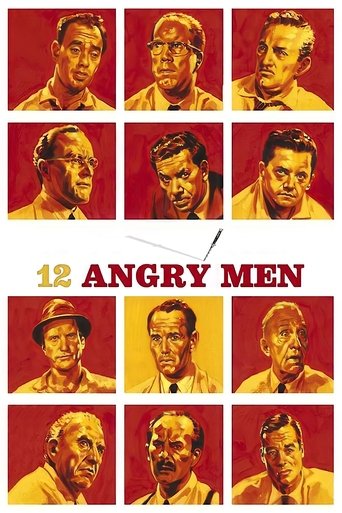
12 Angry Men (1957)
Lumet's debut shows his gift for argument and ensemble acting in a single room. It is a calmer, more hopeful counterpart to Network's speech-driven world.
Explore the era or movement
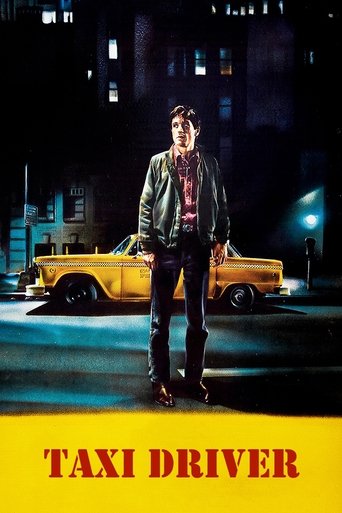
Taxi Driver (1976)
Released the same year, it shows the same urban anger and alienation from a more personal, visual angle, and the contrast clarifies the period.
Follow the idea
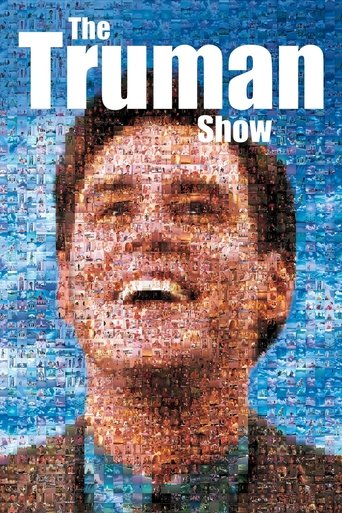
The Truman Show (1998)
Follow the idea of television shaping reality into a later, more fanciful film about a life turned into programming.
Follow the idea
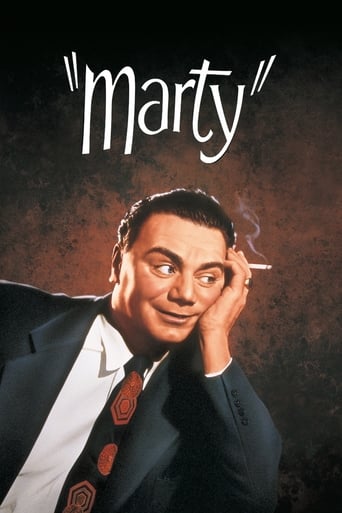
Marty (1955)
Chayefsky's earlier, gentler screenplay shows his skill with ordinary speech and his humane side, before his satire turned angry.