Comedy · Animation
Neighbours
Canadian
1952 · Directed by Norman McLaren · 9 min


Comedy · Animation
Canadian
1952 · Directed by Norman McLaren · 9 min
Meaning, unpacked
Central idea
The film can be read as a parable about how a trivial dispute over possession escalates into mutual destruction, with the same technique that makes the opening comic making the later violence unnerving.
What it means
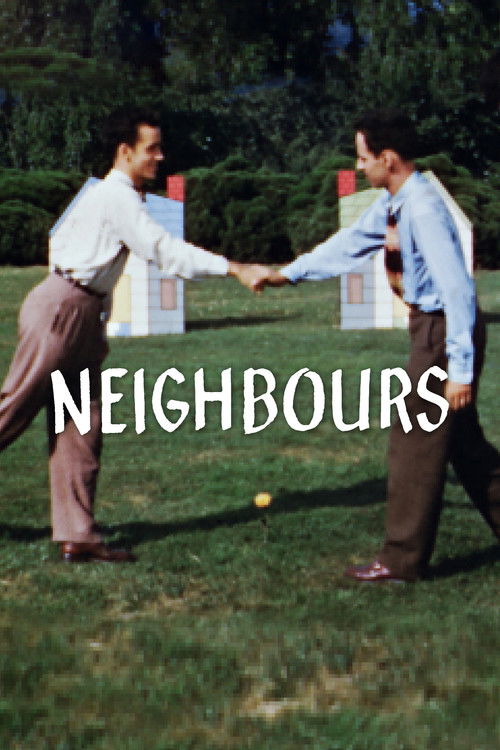
Two men sit in identical lawn chairs, reading their newspapers. Then a flower pushes up exactly on the line between them. That flower is the whole story. Norman McLaren's Neighbours is a parable about how a trivial dispute over possession can grow into mutual destruction.
Both men notice the flower at once, and in that exchange of looks the conflict has begun. A thing of nature has become something to own. Then come the fences, each retaliation only slightly bigger than the last, each step almost reasonable, until both households are wiped out. Neither man holds the moral high ground. They are mirrors, and the film suggests enemies are often more alike than they admit. Many viewers read it as a comment on the nuclear-age arms race and on how nations guard their borders. The closing message, the one moment of direct speech in a wordless film, states the moral outright.
Why it mattered
McLaren, a committed pacifist, made the film against the backdrop of the Cold War and the Korean War. He used pixilation: live actors, Jean-Paul Ladouceur and Grant Munro, hold a pose while the camera exposes one or a few frames, then move a little and hold again. It isn't a cartoon, yet the men slide across the grass, hover above the ground and move with impossible speed.
The same trick that makes them playful at first makes them eerie later, as they move less like people and more like machines. The symmetry of the opening is broken piece by piece, so the picture itself tracks the quarrel. McLaren also drew on his long experiments with making sound directly on the film strip, which gives the score a handmade, unnatural tone. It all came from the National Film Board of Canada, which backed experiment as public-service filmmaking.
Before anyone tells you what to think: what did you make of it?
Log in to rate it and leave commentsIt takes one click with Google or an email link. You come straight back here.
Rate it, keep your notes, and find the next film.
Free, no ads. Your journal, your lists, a Cine Guide that remembers you.
Create your free spaceNeighbours won an Academy Award, though not for animation: it took Best Documentary Short Subject. That win brought international attention to McLaren and the Film Board. The film was widely shown and admired, praised for its invention and its blunt, accessible message. Some found its violence strong for a short comic fable, which was part of the intended effect.
Today it is a classic of experimental animation and a standard teaching film on pixilation and on telling a story without dialogue. Because it needs no language, it is also a regular choice for peace education. Pixilation went on to be used by many filmmakers, most visibly in Peter Gabriel's Sledgehammer video. And the unsettling part still lands: you laughed at the first quarrel. The war began with something small, and you were smiling.
What happens
The fight over a single flower ends with the flower trampled and both families dead. The film then states its moral outright, showing that a petty quarrel over ownership can destroy everyone involved.
The last image
After the ruined houses, a message appears on screen urging people to love their neighbours.
What it says
The ending isn't ambiguous because McLaren, a pacifist, wanted no doubt. The men are mirrors, so neither is the villain. The blunt message turns a comic fable into a warning, and you laughed at the first quarrel.
Or follow an idea from this film
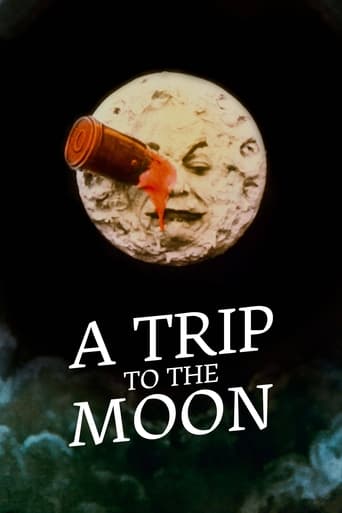

See what influenced it
A Trip to the Moon (1902)
Méliès's trick filmmaking is an early ancestor of the idea that cinema can build movement frame by frame, here applied to fantasy rather than to a parable.

Explore the era or movement
Duck Amuck (1953)
Made a year later, Chuck Jones's cartoon also treats the frame as a playground, but through classic studio animation rather than live actors.

Compare another approach
The Red Balloon (1956)
Another short, almost wordless fable built from simple objects and a lyrical image, but gentle where Neighbours turns harsh.
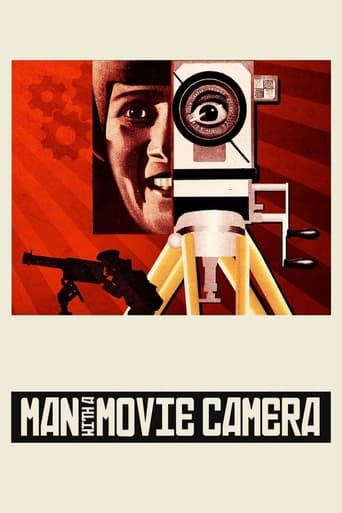
Follow the idea
Man with a Movie Camera (1929)
A celebration of what cinema can do with editing and trick effects, showing an earlier avant-garde belief in pure film technique.

Follow the idea
Night and Fog (1956)
A very different, documentary approach to the consequences of violence, useful as a contrast with Neighbours' fable form.