Thriller · Drama · Mystery · Crime
Mystic River
American
2003 · Directed by Clint Eastwood · 138 min


Thriller · Drama · Mystery · Crime
American
2003 · Directed by Clint Eastwood · 138 min
Meaning, unpacked
Central idea
The film can be read as a story about how a single childhood trauma fixes people in place, and about a close community that polices itself through loyalty, suspicion and silence long after the law has stepped aside.
What it means
Three boys, a street, a car and one decision. Years later, a murder pulls those boys, now men, back together. Jimmy's daughter is dead, and he kills a man he wrongly believes is guilty. That is the plot, but the film's real interest lies elsewhere.
Its central idea is that a single childhood trauma fixes people in place. The opening event is never treated as past. It shapes who each man becomes and how the others see him. Around it sits a close community that polices itself through loyalty, suspicion and silence, long after the law has stepped aside. Those bonds protect people, but they also turn anyone who seems different into an outsider. The film asks whether these people trust the police or their own private justice, and it treats silence as a moral act. By the end, you are left to judge what the neighbourhood is willing to ignore.
Why it mattered
Mystic River came after decades in which Clint Eastwood was known as a star and a genre director. It is the film that made his name as a serious, major American director, and it earned him a Best Director nomination. It showed the crime story turned toward adult, character-driven seriousness, where a whodunit is only the surface and a neighbourhood, a friendship and a shared past are the real subject.
What was striking was how plainly it was made. Eastwood stages scenes simply, trusts his actors, and lets long takes and small gestures carry the emotion instead of heavy cutting. Tom Stern's dark, shadowed photography and overhead views of Boston give a sense of fate and closed-in lives. Eastwood also composed the spare, solemn score himself. Even Sean Penn's famous grief at the police line works because it is bodily and unstoppable, not polished.
Before anyone tells you what to think: what did you make of it?
Log in to rate it and leave commentsIt takes one click with Google or an email link. You come straight back here.
Rate it, keep your notes, and find the next film.
Free, no ads. Your journal, your lists, a Cine Guide that remembers you.
Create your free spaceThe film helped set the template for the grave, character-focused crime drama that followed, in which an investigation is a way into trauma and community. Later adaptations of Dennis Lehane's work and films such as Prisoners follow its tone. It also became part of a recognisable run of Boston crime stories that includes Gone Baby Gone, The Departed and The Town, and Penn's scene at the police line still circulates as a standalone clip and a landmark of screen grief.
Critics largely praised it as one of Eastwood's strongest films, singling out Penn, Tim Robbins and the sombre mood, though a few found the last act schematic or too bleak. It won six Oscar nominations, including Best Picture, and two wins: Penn for Best Actor and Robbins for Best Supporting Actor. Its reputation has held steady. It is often counted among Eastwood's best and as a leading American crime drama of its decade, and it turns up in film and literature courses on vigilantism and the way trauma and silence shape a neighbourhood.
What happens
Jimmy kills Dave, believing he murdered Katie. Then Sean learns two other local men did it, and Dave was innocent. Jimmy is never charged, and at the parade Sean can only signal that he knows.
The last image
The neighbourhood parade goes on, the crowd celebrating while Sean silently signals Jimmy that he knows and Annabeth stands firmly beside her husband.
What it says
The ending shows a community that protects its own and lets a wrong go unspoken. Jimmy's grief hardens into certainty, and the film leaves you to judge what the neighbourhood is willing to ignore.
Or follow an idea from this film


Continue the director
Million Dollar Baby (2004)
Eastwood's next film, another sombre, restrained drama that won him Best Director and Best Picture and deepens the themes of consequence and loss.
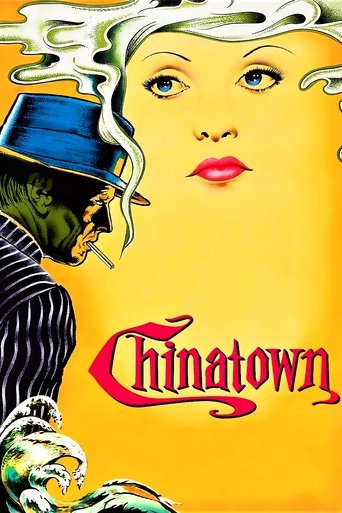
See what influenced it
Chinatown (1974)
A model of the crime film in which investigation uncovers a deeper moral rot, with a similarly unsparing view of justice.
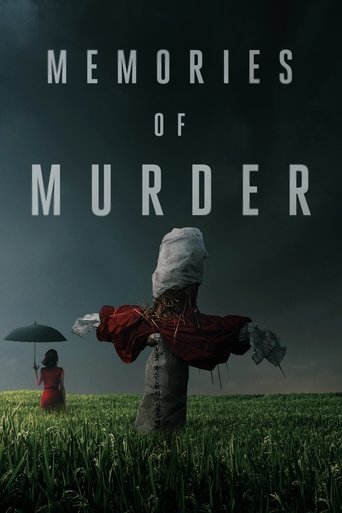
Compare another approach
Memories of Murder (2003)
Released the same year, this Korean crime film also uses an investigation to study a community, frustration and the limits of the law.
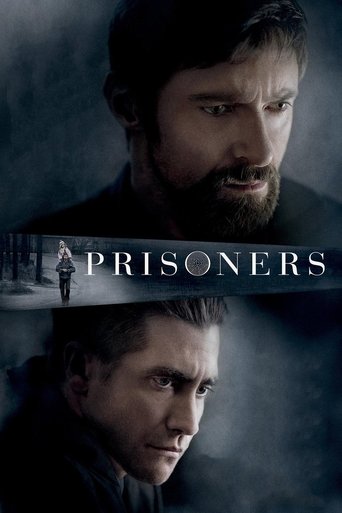
See its influence
Prisoners (2013)
A later thriller that shares Mystic River's grim tone and its question of what a parent will do when the system seems too slow.
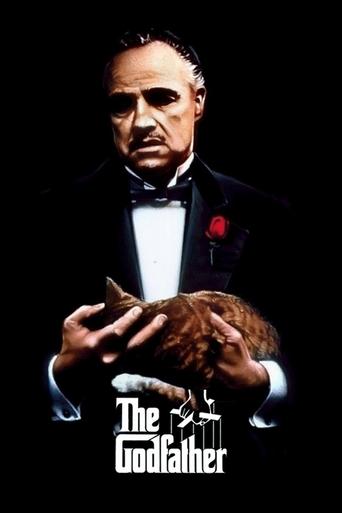
Follow the idea
The Godfather (1972)
Another American crime story in which family, loyalty and a closed community define right and wrong.