Comedy · Romance · Music
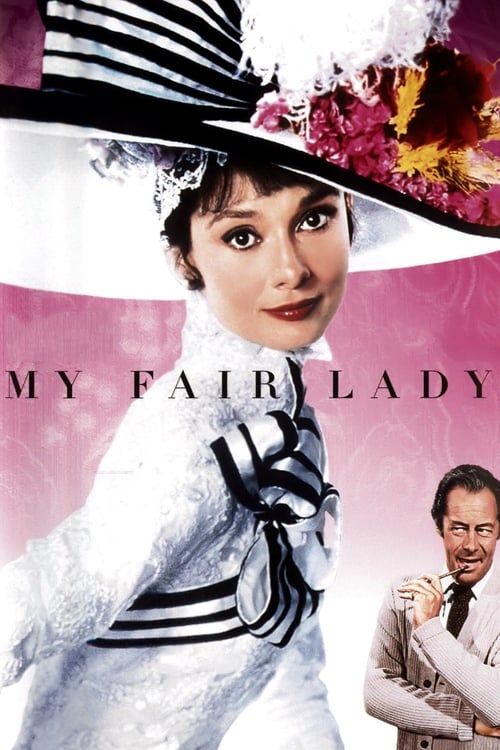
My Fair Lady
American
1964 · Directed by George Cukor · 173 min


Comedy · Romance · Music
American
1964 · Directed by George Cukor · 173 min





Meaning, unpacked
Central idea
The film explores whether identity is made by speech, manners and surroundings, and what the people doing the shaping owe to the person being shaped. It can be read as a comedy about class that is also a quiet study of affection and respect.
What it means
A professor bets he can pass a flower girl off as a duchess. He wins. Then nobody quite knows what to do with her. That last part is where the film gets interesting.
On the surface it's a comedy about class. Underneath, it asks whether identity is made by speech, manners and surroundings, and if so, what the people doing the shaping owe to the person being shaped. Eliza is the same person in the market and at the ball. Only her sound has changed, which shows how arbitrary it is to judge worth that way. The comedy gets its weight from her insistence on being treated as a person, not a project. Higgins is the other puzzle: his brilliance can't be separated from his selfishness, and the film laughs at him while enjoying him. The story comes from the Pygmalion myth, and Alfred Doolittle's comic philosophy of the undeserving poor stretches it into money and respectability.
Why it mattered
My Fair Lady took a Broadway landmark and Shaw's Pygmalion to the screen on a vast scale. It is a defining example of the big-budget musical adaptation of the 1960s, and a late high point of Hollywood studio craftsmanship, made just before the old certainties of the system began to give way.
You can see that craft everywhere. Covent Garden and Wimpole Street were built on Warner Bros. soundstages, giving George Cukor full control over sound, light and colour. Cecil Beaton dressed Ascot in black, white and grey, so class becomes pure design. Harrison sang live to the camera, so his songs feel like a continuation of his talk. The film led the 1964 Oscar nominations with twelve and won eight, including Best Picture and Best Director.
Before anyone tells you what to think: what did you make of it?
Log in to rate it and leave commentsIt takes one click with Google or an email link. You come straight back here.
Rate it, keep your notes, and find the next film.
Free, no ads. Your journal, your lists, a Cine Guide that remembers you.
Create your free spaceIt helped set the template for the lavish prestige musicals that followed, such as Oliver! Its story of a transformed outsider became a lasting model for makeover romances and comedies of class. "Eliza Doolittle" and "Henry Higgins" are still shorthand for a makeover and its mentor, teachers use the film to talk about accent and prejudice, and Beaton's enormous Ascot hats keep turning up in fashion.
Today it is often ranked among the most polished Hollywood musicals. Admirers praise its design, its score and Harrison. Critics note its stage-bound feel, the dubbing, and an ending softer than Shaw's that people still debate. Hepburn's performance, once argued over, is now widely valued. That seems fitting for a film about looking past the surface.
What happens
Eliza walks out after the ball, and Higgins, rattled by her absence, finds he misses her. She returns to his house. He calls for his slippers, and the film cuts away without saying what happens between them.
The last image
Eliza comes back into Higgins's house, and he settles in, calling for his slippers as if nothing has changed.
Three readings
What it says
The film leaves its answer unspoken because the real question was never the bet. It is whether Higgins can respect Eliza as a person, not a project. The soft ending sits against Shaw's sharper original, and people still argue over it.
Or follow an idea from this film

Explore the era or movement
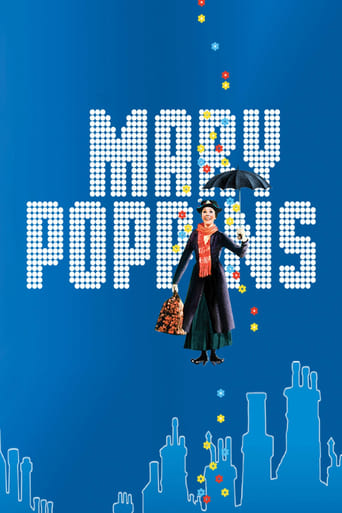
Mary Poppins (1964)
Released the same year, with Julie Andrews, who lost the role of Eliza and won the Oscar for this one. A useful contrast in the studio musical.
Compare another approach
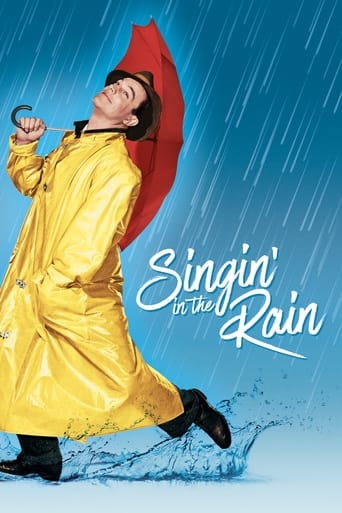
Singin' in the Rain (1952)
A light, kinetic Hollywood musical that is also about voices, dubbing and the artifice of studio production, a good counterpoint to My Fair Lady's weight.
Follow the idea
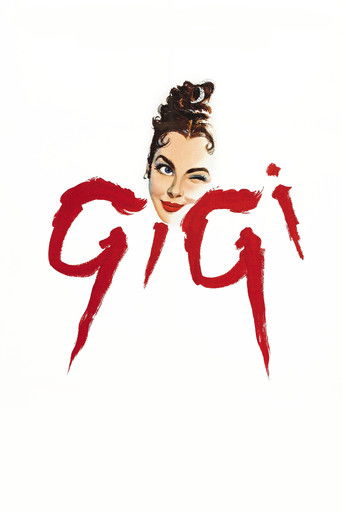
Gigi (1958)
Lerner and Loewe's earlier screen musical, also a story of a young woman educated in manners, and a Best Picture winner.
Jump forward
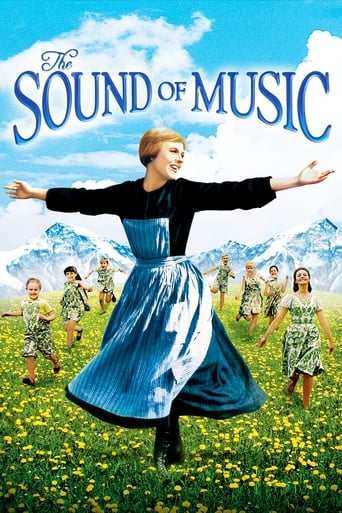
The Sound of Music (1965)
The next great roadshow musical, showing how the large-scale studio production continued and began to reach its limit.
Continue the director
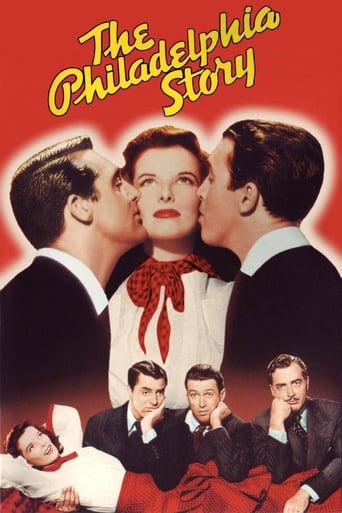
The Philadelphia Story (1940)
Cukor in his prime directing a sharp comedy of class and manners with Katharine Hepburn, showing the skill in dialogue and acting that underlies this film.