Thriller · Drama · Mystery
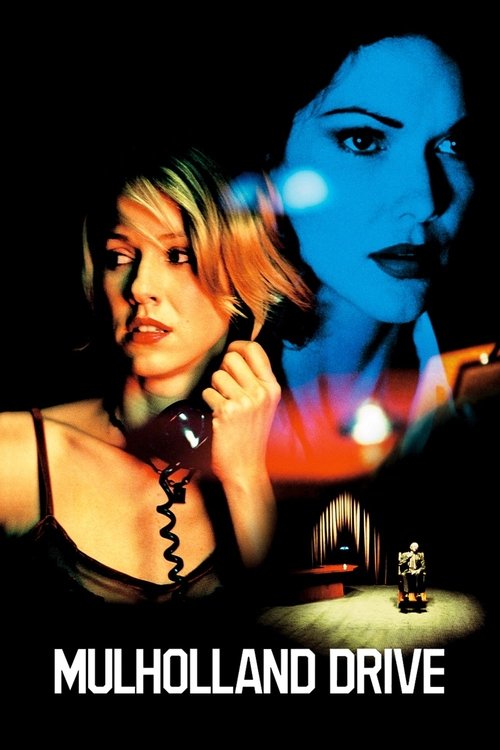
Mulholland Drive
American
2001 · Directed by David Lynch · 147 min


Thriller · Drama · Mystery
American
2001 · Directed by David Lynch · 147 min






Meaning, unpacked
Central idea
The film can be read as an examination of Hollywood's power to manufacture dreams and of what happens to a person who is crushed by them. It sets out an idealised fantasy and then shows the painful reality that fantasy was protecting.
What it means
Mulholland Drive is about Hollywood's power to manufacture dreams, and what happens to a person crushed by them. The first part has the polish of wish-fulfilment: a bright newcomer shelters a woman with no memory. Then a blue box opens, and the second part strips that polish away. The film can be read as showing the painful reality the fantasy was protecting, a mind rewriting events to survive guilt and loss.
The hinge is Club Silencio. A voice announces again and again that there is no band, that everything you hear is a recording. Then Rebekah Del Rio sings "Crying" in Spanish, a cappella, and it still devastates. The film exposes the illusion while insisting the feeling is real. Around that sit other themes: identity and desire, where characters are defined by what others want them to be and names and roles prove unstable, and the cost of ambition, where talent, favouritism and power decide who succeeds.
Why it mattered
The film began as a series for ABC in the late 1990s. The network rejected the pilot, and the French company Studio Canal later funded new scenes and an ending, turning a series opener into a self-contained feature. That odd history shaped its form. The first two-thirds keeps threads that go nowhere, and Lynch's added ending recasts them, so the apparent loose ends become part of the design.
It also set ambiguity free. People often assume the film was built as a puzzle with one hidden solution. It wasn't. The ending was written after the conversion, and some elements remain deliberately open. Lynch never gave a solution, offering only ten cryptic clues for the DVD. Peter Deming's lighting, which moves from glossy colour to a flatter, harsher look, and Angelo Badalamenti's slow, warm score show how craft can make safe scenes feel precarious.
Before anyone tells you what to think: what did you make of it?
Log in to rate it and leave commentsIt takes one click with Google or an email link. You come straight back here.
Rate it, keep your notes, and find the next film.
Free, no ads. Your journal, your lists, a Cine Guide that remembers you.
Create your free spaceReception was strong from the start. At Cannes in 2001, critics were enthusiastic, and Lynch shared the Best Director prize with Joel Coen. He also received an Academy Award nomination for Best Director, rare recognition for a film this unconventional. Some viewers found it frustrating, but it spread by word of mouth and became a subject of debate and repeat viewing. It helped make dream logic and fractured identity familiar in prestige cinema, and Black Swan is one example. Its picture of Hollywood as nightmare has become a template for industry satire.
Its reputation has only grown. It often tops lists of the best films of the 2000s, and in a major international critics' poll in 2016 it was named the best film of the 21st century. Lynch designed a Paris members' club named Silencio after the theatre scene, and "Lynchian" now means dreamlike menace beneath a glossy surface. The love story between Betty and Rita is widely discussed in LGBTQ+ film writing, and fans still make pilgrimages to Mulholland Drive itself.
What happens
Diane, the failed actress behind Betty's dream, ordered Camilla's killing out of jealous heartbreak. Tormented by guilt and hallucinations, she shoots herself. The glossy first part was her fantasy of a life where she was talented, loved and innocent.
The last image
The film closes on the empty, silent theatre of Club Silencio, then a quiet shot of a woman's face and the whispered word "Silencio."
Three readings
What it says
The ending shows a mind rewriting guilt and loss into something bearable, and Hollywood as a machine that manufactures dreams and discards people. Club Silencio makes the point: you know it's illusion, and it still hurts.
Or follow an idea from this film


Continue the director
Blue Velvet (1986)
Lynch's earlier breakthrough pairs small-town normality with a dark underworld, and shows the roots of his style.
See what influenced it
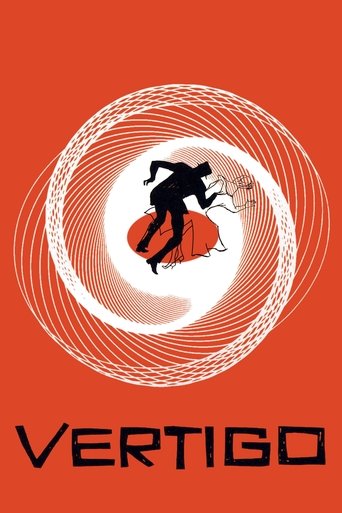
Vertigo (1958)
Hitchcock's haunting mystery of obsession and illusion is a key ancestor, and its second half changes how the first should be seen.
Compare another approach
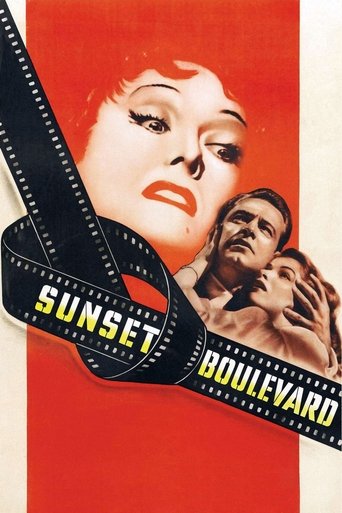
Sunset Boulevard (1950)
Billy Wilder's Hollywood noir shows the earlier satirical version of the same industry myth, from the classical studio era.
Follow the idea
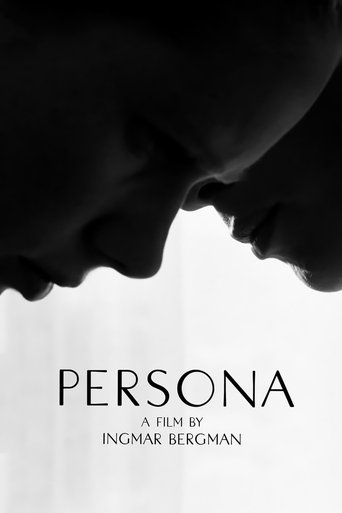
Persona (1966)
Bergman's film is a canonical example of identity treated as a puzzle, and of a film that deliberately resists easy interpretation.
Jump forward
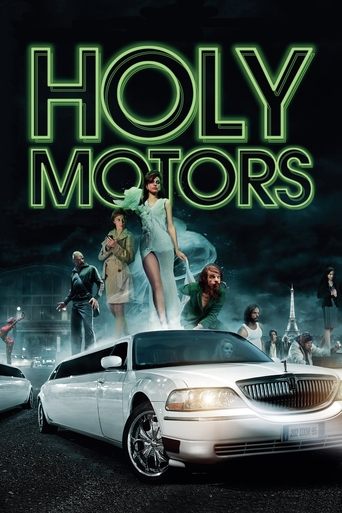
Holy Motors (2012)
A later film that continues the tradition of dreamlike, unexplained cinema about performance and identity.