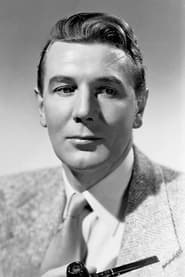
Mystery · Thriller
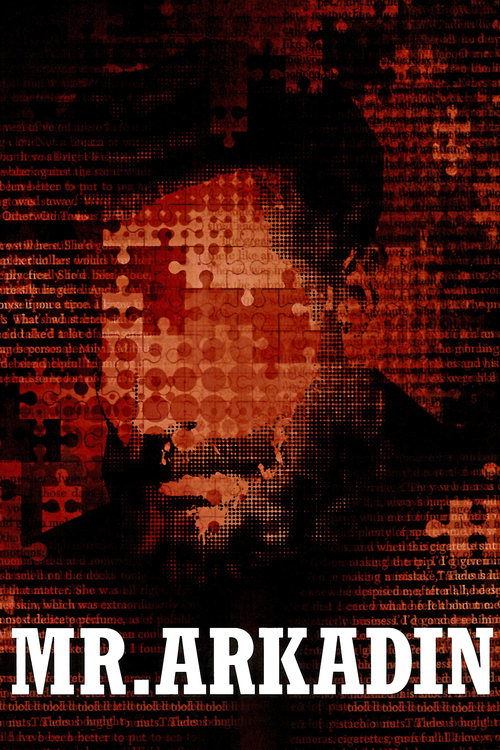
Mr. Arkadin
French
1955 · Directed by Orson Welles · 107 min


Mystery · Thriller
French
1955 · Directed by Orson Welles · 107 min
Meaning, unpacked
Central idea
The film can be read as a study of a man who tries to control the story of his own life. It asks what a fortune, a reputation and a carefully managed past can hide, and who ends up paying for them.
What it means
Mr. Arkadin is about a man who wants to own the story of his own life. A dying whisper in Naples sends the hustler Van Stratten digging into the past of the tycoon Arkadin, who claims to have lost his memory. The search turns out to be dangerous. Arkadin has built a fortune, a reputation and a carefully managed past, and the film asks what all of that can hide, and who ends up paying for it.
So you are left with a question: how much of a person is his story, and who gets to tell it? Arkadin's wealth buys silence and loyalty, but power here is theatre, and a witness who won't stay quiet becomes a threat. Van Stratten is no detective. His curiosity is bought, so you doubt the investigator as much as the tycoon. At the centre sits Arkadin's love for his daughter, bound up with his fear of what she might learn. Love and dread are the same impulse. The film suggests a story can be hidden, but somebody is always left holding the pieces.
Why it mattered
On release, Mr. Arkadin was not a success. Many found the plot confusing and the style excessive, and Welles was removed from the final editing, so different versions went out. Some in France saw his ambition, but the film never found a wide audience.
What it offered was a thriller told in fragments, with a camera that never lets you settle. Wide-angle lenses and low angles turn rooms into traps or stages, and faces loom at odd angles. Real castles, streets and markets across Europe look like a series of stages. It borrows the structure of Citizen Kane, a powerful man reconstructed through other people's accounts, but makes the investigation itself dangerous. It also shows what a rough, patched-together shoot, with money problems and improvised locations, can still produce.
Before anyone tells you what to think: what did you make of it?
Log in to rate it and leave commentsIt takes one click with Google or an email link. You come straight back here.
Rate it, keep your notes, and find the next film.
Free, no ads. Your journal, your lists, a Cine Guide that remembers you.
Create your free spaceIts baroque camera work and broken storytelling anticipated later European art cinema and modernist thrillers. Arkadin, a rich man with no known past, now sits beside the amnesiac billionaires of later thrillers. His fable of the scorpion and the frog is often cited as an early screen use of the story, later turning up in Neil Jordan's The Crying Game.
For decades the film circulated in poor, differing prints, which made it a cult object. Restorations followed, including a multi-version Criterion release in 2006, so you can compare the cuts yourself. Its tangled history became a standard example in debates about restoring a director's intentions. Its reputation has risen steadily, and today it is admired for its style, even where its structure stays rough. It is not a weak remake of Kane, but a different kind of film.
What happens
Van Stratten realises Arkadin hired him to find and silence everyone who knew his past. When Van Stratten tries to warn Raina, Arkadin chases them by plane. Raina learns the truth, and Arkadin throws himself from the aircraft.
The last image
Arkadin falls from his plane, ending the story he spent a fortune trying to bury.
What it says
Arkadin could buy silence from his witnesses, but not from his daughter. Her knowing is the one thing he cannot survive. The ending shows a managed past can be hidden for a time, but someone is always left holding the pieces.
Or follow an idea from this film
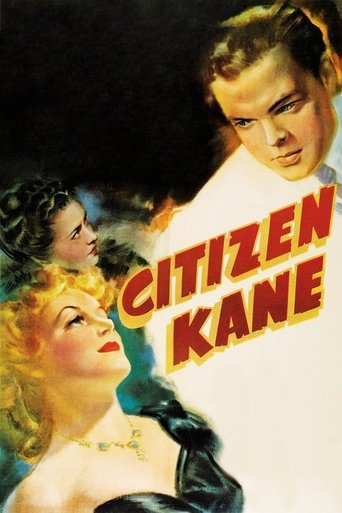

Compare another approach
Citizen Kane (1941)
Compare how Welles builds a mystery about a powerful man from other people's accounts, and how his style changed between his first film and this one.
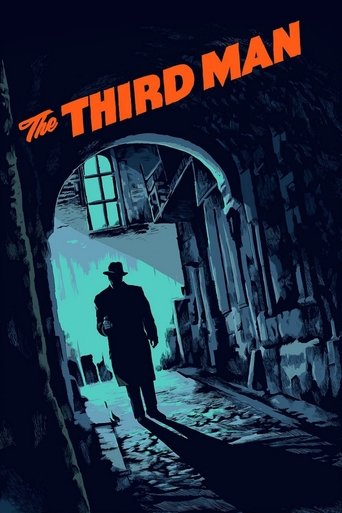
Explore the era or movement
The Third Man (1949)
Another postwar European thriller of shadows, tilted angles and shady dealers, with Welles in a memorable role.
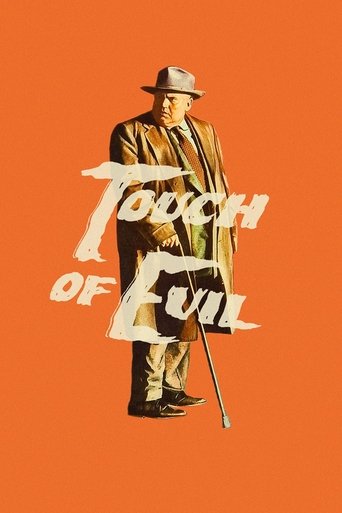
Continue the director
Touch of Evil (1958)
Welles's return to Hollywood, an equally baroque noir that shows what he could do with more control and a bigger budget.
Jump forward
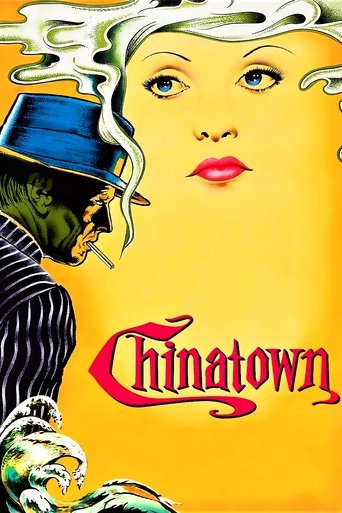
Chinatown (1974)
A later detective story in which an investigator learns that digging into powerful people's pasts is dangerous.