Science Fiction · Drama
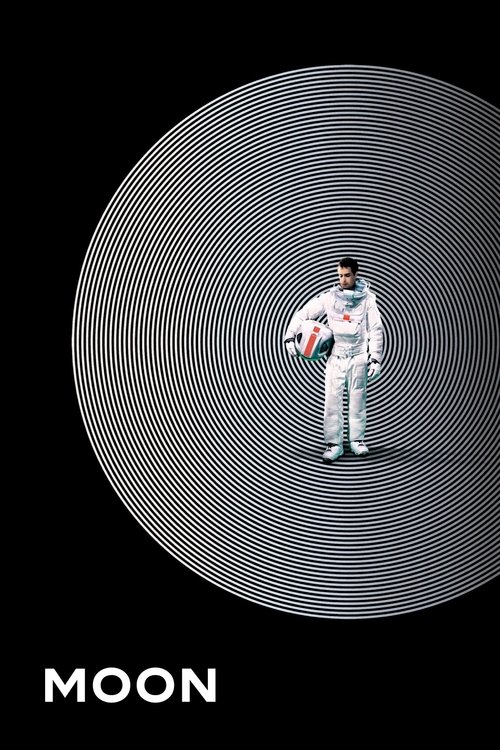
Moon
American
2009 · Directed by Duncan Jones · 97 min


Science Fiction · Drama
American
2009 · Directed by Duncan Jones · 97 min
Meaning, unpacked
Central idea
Moon asks what makes a person who they are: memory, body, work, or the relationships others have with them. It can be read as a critique of a corporate system that treats human beings as disposable equipment.
What it means
Moon follows Sam, a lonely worker on the moon who has an accident, wakes up, and meets another version of himself. Sam is a clone, one of many, kept working for a company that treats him as equipment. That is the whole setup, and the film is about what it does with it.
At its heart, it asks what makes a person who they are: memory, the body, the work you do, or the way other people relate to you. Sam's sense of himself rests on memories he cannot verify, so the film asks whether an identity built from implanted experience is any less real. By the end, the answer feels like no. It is also a quiet critique of a company that treats labour as a cost to be managed, and many read it as a parable about cheap, hidden workers. Sam cannot even quit. He is replaceable by design. His longing for his wife and daughter drives him, yet home is the thing he is most deceived about.
Why it mattered
Moon arrived in 2009, when blockbuster spectacle dominated science fiction. It showed that the thoughtful, character-led side of the genre could still work on a small scale. It was Duncan Jones's first feature, and it follows in the tradition of 2001, Solaris and Silent Running.
It also showed how much a modest production can do with clear ideas. On a budget reported at around five million dollars, the team built the base as a real set and used physical miniatures for the lunar vehicles and surface, with digital work in support. That gave the film a tactile, retro look, a nod to science fiction of the 1970s and early 1980s. The story rests almost entirely on Sam Rockwell, and his two Sams are kept distinct through small choices of posture, energy and temper.
Before anyone tells you what to think: what did you make of it?
Log in to rate it and leave commentsIt takes one click with Google or an email link. You come straight back here.
Rate it, keep your notes, and find the next film.
Free, no ads. Your journal, your lists, a Cine Guide that remembers you.
Create your free spaceMoon premiered at Sundance in 2009. Critics praised Rockwell's performance, the confident direction and the way it recalled thoughtful 1970s science fiction. It did modest business at the box office, but it built a strong reputation through festivals, awards attention and home viewing. Jones won a BAFTA for outstanding debut by a British writer, director or producer, and his feature career was launched.
Its influence is clear. It helped encourage small, idea-led science fiction made on modest budgets, and it strengthened a run of human-scale films in the 2010s about isolation, clones and artificial minds. Today it is regarded as one of the most accomplished low-budget science-fiction films of its decade. Its stature has grown as audiences return to its questions about identity, work and corporate power, and it is often brought up in conversations about cloning and what makes a person the same person.
What happens
The younger Sam escapes to Earth while the dying older Sam stays behind to help him go. The truth that the Sams are replaceable clones begins to spread, so the company's secret is no longer safe.
The last image
News of the secret spreads, shown through voices and broadcasts reacting to Sam's exposure of the scheme.
What it says
The ending shows Sam choosing courage and care even after learning nothing about him is original. It answers the film's question about identity: who he is comes from what he does, and the ending also turns a private deception into a public truth.
Or follow an idea from this film

See what influenced it
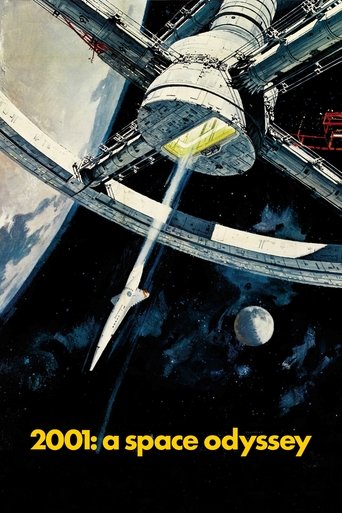
2001: A Space Odyssey (1968)
The model for the calm computer and isolated crew. Seeing HAL makes GERTY's design and the film's play on expectation clearer.
Compare another approach
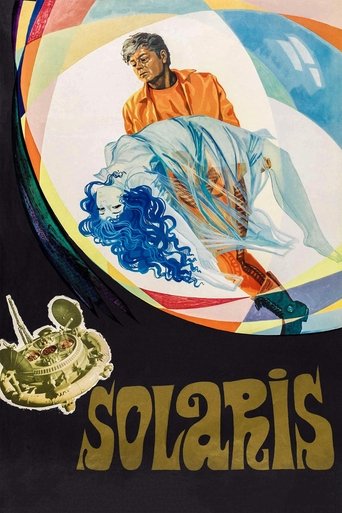
Solaris (1972)
Tarkovsky's meditation on memory, grief and identity in a remote space station answers similar questions at a slower, more mystical pace.
Explore the era or movement
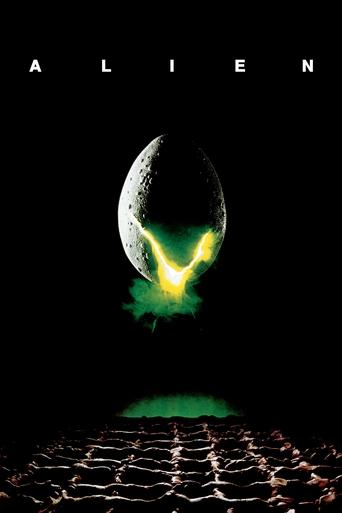
Alien (1979)
Industrial, lived-in space work and a cold corporation, a clear forerunner of Moon's visual and thematic world.
Follow the idea
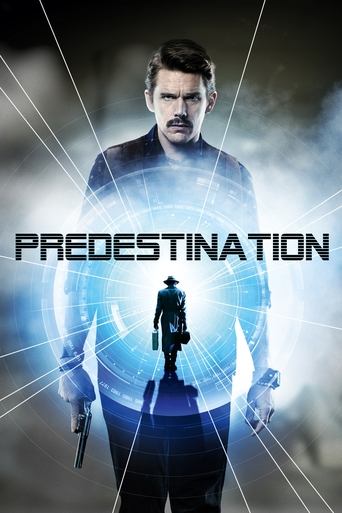
Predestination (2014)
Another low-budget science-fiction film that turns a puzzle about identity into an emotional story.
Continue the director
Source Code (2011)
Duncan Jones's second feature, a tighter genre thriller that keeps his interest in identity and a protagonist trapped in a loop.
Coming soon