Crime · Drama · Thriller
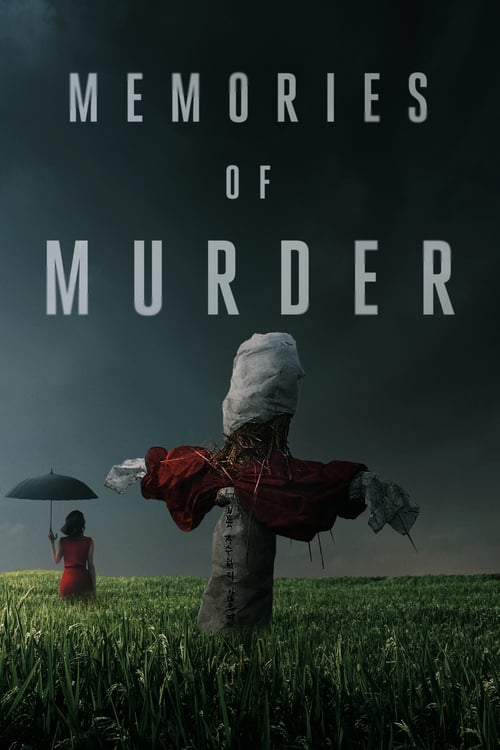
Memories of Murder
South Korean (살인의 추억)
2003 · Directed by Bong Joon Ho · 131 min


Crime · Drama · Thriller
South Korean (살인의 추억)
2003 · Directed by Bong Joon Ho · 131 min












Meaning, unpacked
Central idea
The film is about the limits of knowing. It tests two ways of understanding a crime, gut feeling and documented proof, and sets both against a state and a society that were not ready to deal with this kind of violence.
What it means
Memories of Murder follows a local detective and an outsider from Seoul as they chase a killer of women in the mid 1980s. They never catch him, and at the very end Park looks straight at you. That look carries the film's central idea: the limits of knowing. It tests two ways of understanding a crime, gut feeling and documented proof, and sets both against a state and a society that were not ready for this kind of violence. Each detective is sure of his own method, and the film keeps showing how instinct, paperwork and science can all mislead or fall short.
The clash of methods is also a clash of places. The rural detective and the Seoul detective can be read as two Koreas, one traditional and one modernising, and neither wins. The beatings, forced confessions and careless handling of evidence belong to policing under military-era rule, not to one bad man. The case also wears the men down, changing how they behave and how they see themselves. In the end the film asks what is left when a wrong is never resolved, for victims, investigators and a whole society.
Why it mattered
When it came out in 2003, the film was a major success in South Korea and drew strong reviews. Critics praised Bong Joon Ho's direction, Song Kang-ho's performance and the way it mixed tones. Farce sits right beside violence, so the humour never lets you relax for long. After the commercial failure of Barking Dogs Never Bite, Bong made a more ambitious film on a larger budget, and it was widely seen as announcing a major new director.
Before anyone tells you what to think: what did you make of it?
Log in to rate it and leave commentsIt takes one click with Google or an email link. You come straight back here.
Rate it, keep your notes, and find the next film.
Free, no ads. Your journal, your lists, a Cine Guide that remembers you.
Create your free spaceIt also reshaped the serial-killer film by putting institutions, place and fallibility ahead of the brilliant sleuth. Kim Hyung-koo shoots wide, leaving small figures alone in fields, tunnels and ditches, with natural light and weather shaping the mood. The cutting is patient, and silence, rain, trains and one haunting music cue build dread. It stands as a defining film of early-2000s Korean cinema, showing a national voice competing on craft.
The film helped define the modern Korean crime thriller, with procedural detail, social commentary and dark comedy in one package. It also anticipated the anti-heroic, investigative approach of later films about real unsolved crimes, such as Zodiac. It fixed the blend of genre, humour and social observation Bong carried on to later films, and it began his long partnership with Song Kang-ho, which later included The Host, Snowpiercer and Parasite.
Its reputation has kept growing, especially after Bong's international breakthrough, and it is now often ranked among the best Korean films and the best serial-killer films. International audiences found it more gradually. It is often credited with keeping the real case in public memory, and it is used as a way into Korea's authoritarian past. Park's closing stare is among its best-known images, because it will not let you stay a spectator.
What happens
Years later, Park, now a salesman, returns to the ditch where the first body was found. A girl says a man stood there recently, remembering his ordinary face. Park turns and looks into the camera. The killer is never caught.
The last image
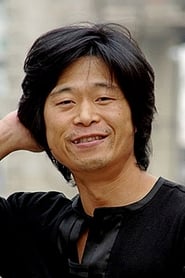
Park looks straight into the camera, as if searching the audience for the killer.
What it says
The film is about the limits of knowing, so it refuses a solution. Instinct and proof both failed, and a society unready for this violence never got closure. Park's stare hands the unanswered question to you.
Or follow an idea from this film

Compare another approach
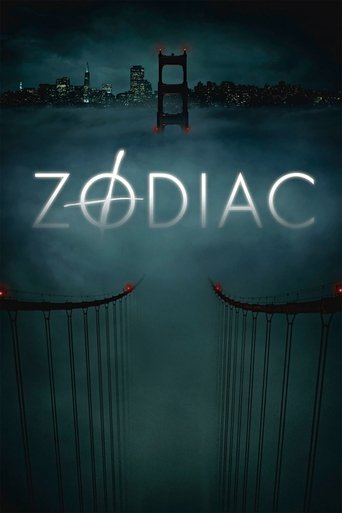
Zodiac (2007)
Another study of an unsolved-case investigation, with a very different style. Compare how each film treats obsession and the limits of knowledge.
Continue the director
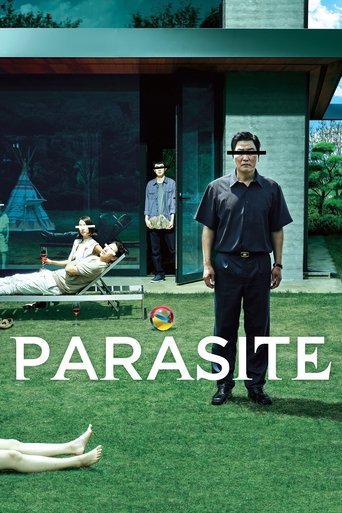
Parasite (2019)
Bong's most celebrated film, with Song Kang-ho again, shows how the tonal mixing of Memories of Murder grew into a sharper social satire.
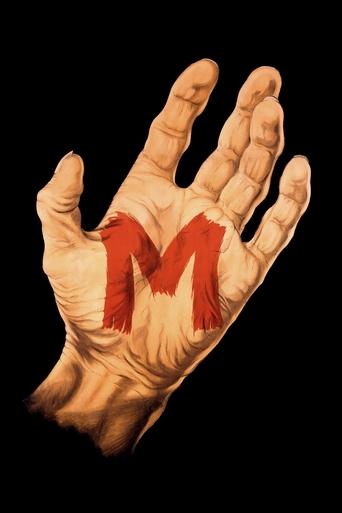
See what influenced it
M (1931)
The classic early film about a city's response to a killer. It shows where the idea of a society mobilised against a predator began.
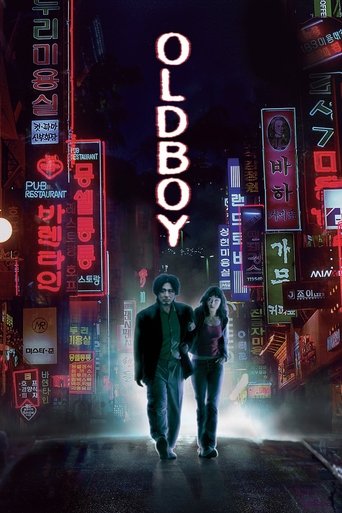
Explore the era or movement
Oldboy (2003)
Released the same year, it shows the stylised, violent side of the new Korean cinema, in sharp contrast to Bong's realism.
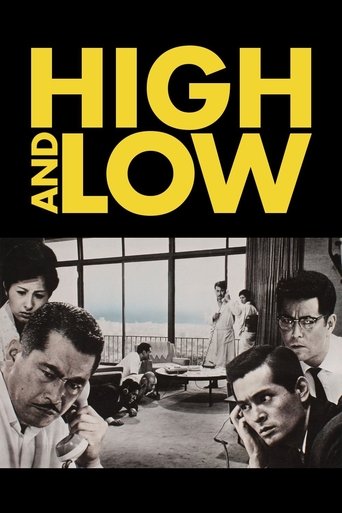
Follow the idea
High and Low (1963)
Kurosawa's procedural uses a crime to expose class divides, a method Bong later turned into his own signature.