Drama · Comedy · Romance
Lost in Translation
American
2003 · Directed by Sofia Coppola · 102 min


Drama · Comedy · Romance
American
2003 · Directed by Sofia Coppola · 102 min




Meaning, unpacked
Central idea
The film explores how disorientation can open people to real connection. Away from their usual roles, two lonely people find a kind of understanding that is hard to name, and perhaps cannot last. It can be read as a film about fleeting intimacy rather than romance.
What it means
Two lonely people meet in a Tokyo hotel: Bob, a fading film star, and Charlotte, a young woman who doesn't know what comes next. Neither can sleep. They talk, wander the city, and part. That's all the plot you need, because the film was never really about plot.
Its central idea is that disorientation can open people up. Away from their usual roles, they find an understanding that is hard to name and perhaps can't last. Call it fleeting intimacy rather than romance: a bond that matters precisely because it is brief. Loneliness runs through everything. Both are surrounded by people yet feel unseen, and Japan gives that feeling a shape. The language gap mirrors their inner detachment, as when a director's rapid Japanese is boiled down to a few lines of translation, and at karaoke, song says what plain speech can't.
Why it mattered
In its time, the film showed that a low-budget, atmosphere-first story about loneliness could reach a wide audience and win major awards. It belonged to the American independent wave that followed the 1990s, and it trusted tone, silence, light and a foreign city to carry a story. Coppola favours observation over plotting, letting scenes breathe and shaping the story as a series of moods and encounters.
The making matched the mood. The shoot was small and fast, about a month, with a light crew and minimal permits for much of the city footage. Lance Acord shot on thirty-five millimetre film, using natural light where possible. Sofia Coppola became the first American woman nominated for the Best Director Oscar, and the film won her the Oscar for Best Original Screenplay.
Before anyone tells you what to think: what did you make of it?
Log in to rate it and leave commentsIt takes one click with Google or an email link. You come straight back here.
Rate it, keep your notes, and find the next film.
Free, no ads. Your journal, your lists, a Cine Guide that remembers you.
Create your free spaceThe film helped popularise the hazy, mood-led, soundtrack-driven small romantic drama, and it confirmed Coppola as a leading American auteur. Its image of travel as emotional suspension has echoed in many later films about quiet, temporary intimacy. It also shaped how many Western viewers picture Tokyo, and fans still visit the Park Hyatt Tokyo hoping to find a trace of that mood.
Today it is widely regarded as Coppola's signature work and a modern romantic classic, and younger viewers have embraced it for its mood and its honesty about loneliness. Not everyone has been comfortable with it. Some Japanese and Asian-American commentators criticised its portrayal of Japanese people as comic or incomprehensible background. That debate continues, and it is now often discussed alongside admiration for the film's emotional honesty.
What happens
Bob leaves Tokyo, but on the way to the airport he spots Charlotte in the crowd, stops the car, and holds her. He whispers something we can't hear, and they part. It shows the bond was real.
The last image
Bob leaves in the car, a small smile on his face, as Tokyo carries on around him.
Two readings
What it says
The film is about a connection that matters because it is brief, so it ends on a parting, not a promise. Withholding the words keeps the moment theirs. Coppola has said the whisper was largely improvised and left inaudible, so there is no secret to uncover.
Or follow an idea from this film


Compare another approach
In the Mood for Love (2000)
Wong Kar-wai's romance of restraint and unspoken longing, with rich colour and music, makes a close companion about connection that cannot be fully expressed.
See what influenced it
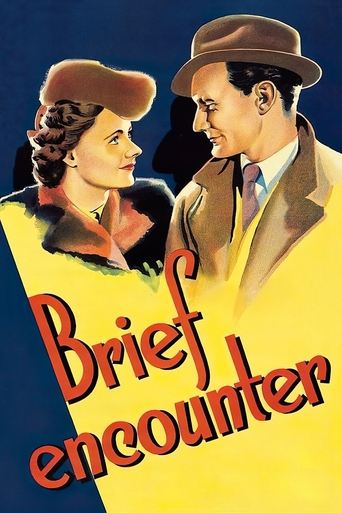
Brief Encounter (1945)
A classic of repressed, fleeting intimacy between two people who cannot act on their feelings. It shows the older tradition Coppola reworks.
Compare another approach
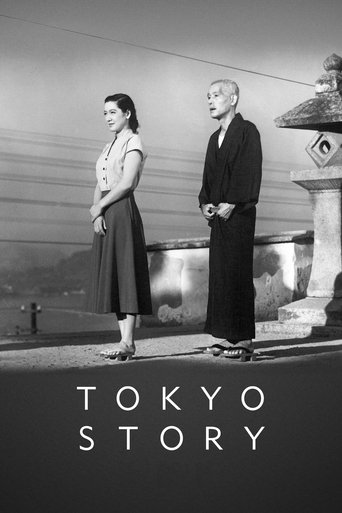
Tokyo Story (1953)
Ozu's quiet Japanese family drama shows another approach to stillness and loneliness, and how Japanese cinema treats emotional restraint.
Follow the idea
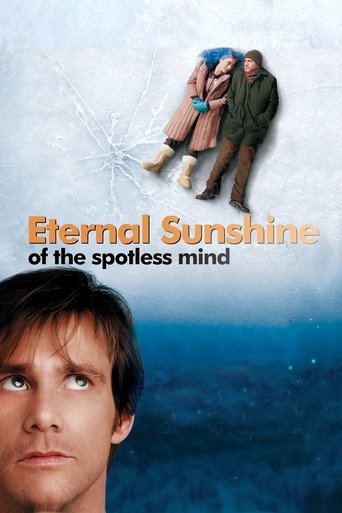
Eternal Sunshine of the Spotless Mind (2004)
Released a year later, it also explores fragile intimacy and memory with humour and ache, in a more inventive structure.

Explore the era or movement
Aftersun (2022)
A later film using mood, silence and holiday setting to explore emotional distance, showing the style's lasting reach.