Comedy · Drama
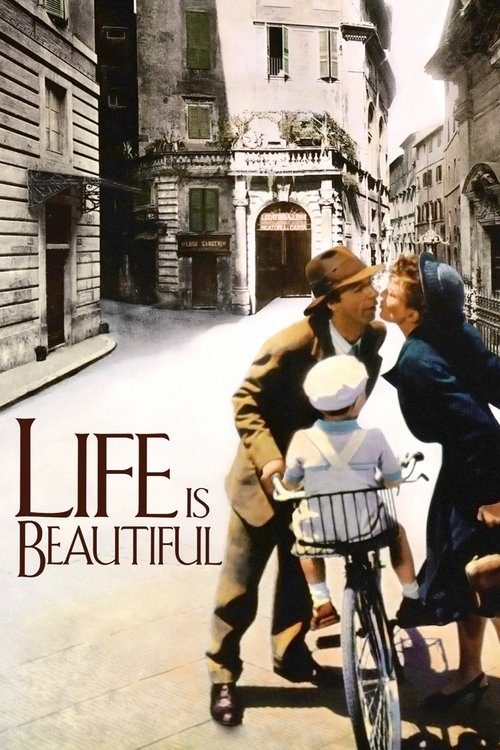
Life Is Beautiful
Italian (La vita è bella)
1997 · Directed by Roberto Benigni · 116 min


Comedy · Drama
Italian (La vita è bella)
1997 · Directed by Roberto Benigni · 116 min
Meaning, unpacked
Central idea
The film can be read as a study of imagination as a moral act: how far storytelling and performance can shield someone you love, and whether that shield is a form of truth or a necessary lie.
What it means
Life Is Beautiful asks whether imagination can be a moral act. Guido wins Dora with charm and luck, and later, inside a camp, he tells his young son that it is all a game. How far can storytelling and performance shield someone you love? And is that shield a kind of truth, or a necessary lie? The film never settles it. It lets you feel both answers at once.
That is why Guido's inventions are not just escapism. They are a deliberate effort to keep a child's world intact while the adult world collapses. The film treats fatherhood as a performance too: constant, tiring, unglamorous work, done so someone else can feel safe. Benigni plays Guido like a silent-film clown with a voice, always moving, always talking, but his face lets you see the effort behind the cheer. Laughter also exposes how arbitrary prejudice is, and when Guido translates a guard's German as the rules of a game, his comic gift becomes a survival tool.
Why it mattered
The film made a bold structural choice. It splits into a romantic comedy and then a story of confinement. The first part plants phrases, motifs and tones, and the second reuses them with changed meaning. Even the colour does the work: the early Tuscan scenes glow like a storybook, then that warmth drains into muted greys and browns, so you feel the shift before anyone explains it. Little in the film is explained that can be felt instead.
It also dared to approach the Holocaust through comedy and fable, largely keeping violence out of sight. The camp's reality stays at the edge of the frame, in sound and in Guido's reactions. Not everyone welcomed this. Reactions were mixed: many critics and audiences loved it, while others questioned whether a fable could properly handle such a subject. That argument is part of its history.
Before anyone tells you what to think: what did you make of it?
Log in to rate it and leave commentsIt takes one click with Google or an email link. You come straight back here.
Rate it, keep your notes, and find the next film.
Free, no ads. Your journal, your lists, a Cine Guide that remembers you.
Create your free spaceIt was a major hit in Italy in late 1997, won the Grand Prix at Cannes in 1998, and became one of the highest-grossing foreign-language films in the United States. It earned seven Oscar nominations and three wins: Best Actor, Best Foreign Language Film and Best Original Dramatic Score. It showed that a mainstream audience would accept comic and fabulist approaches to Second World War material, and it opened an enduring debate about humour and the Holocaust. Later films such as Jojo Rabbit worked in a related tragicomic register.
Today it is still widely loved and widely taught. Schools often screen it around remembrance dates to ask how the Holocaust should be portrayed. Critical opinion remains divided between those who see a humane fable about parental love and those who find its treatment of history softened. Both views are now part of the film. Perhaps the best way to hold it is this: Guido's game is a fiction, and the love behind it is not.
What happens
As the camp collapses, Guido hides Giosuè and is caught searching for Dora. Walking to his death, he winks at his son. The next morning an American tank arrives, and the boy, thinking he has won, is reunited with his mother.
The last image
Giosuè rides on the tank in triumph, then runs across a field to Dora and into her arms.
What it says
The ending shows the game worked: Giosuè survives believing he has won, and Guido keeps his promise to the end. The film's last word is the narrator's, so it is a remembered gift, told as a story that outlives the man who made it.
Or follow an idea from this film

See what influenced it
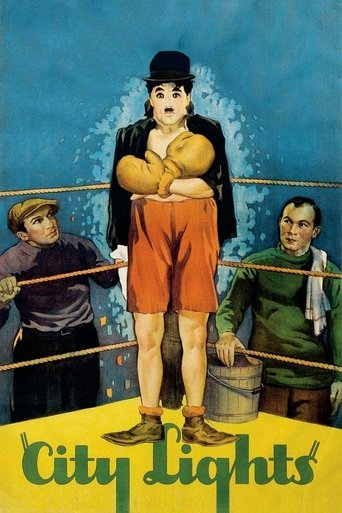
City Lights (1931)
Chaplin's blend of clowning and sentiment is the closest model for Benigni's performance. Compare how each uses physical comedy to express love.
Follow the idea
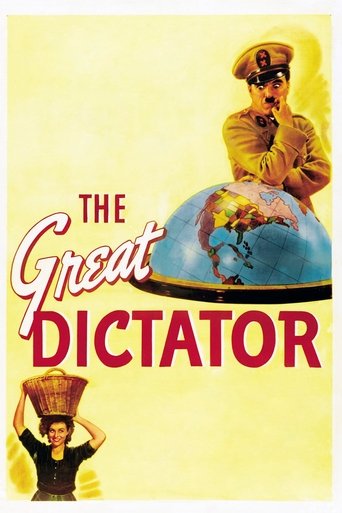
The Great Dictator (1940)
Chaplin makes comedy out of the persecution regime itself, made while it was still unfolding. A useful partner for the film's central tonal gamble.
Compare another approach
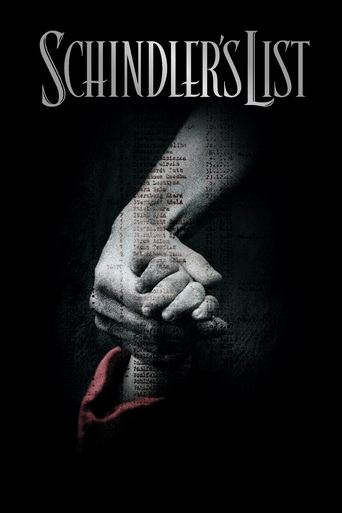
Schindler's List (1993)
A realist, solemn approach to the same historical subject. Watching both shows how differently form can shape what an audience feels.
Jump forward
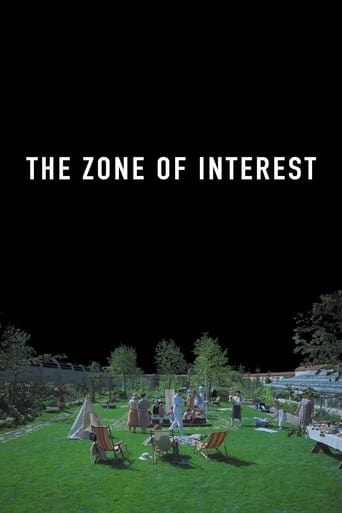
The Zone of Interest (2023)
Another film that keeps the worst events at the edge of the frame, using sound and implication rather than direct depiction.
Explore the era or movement
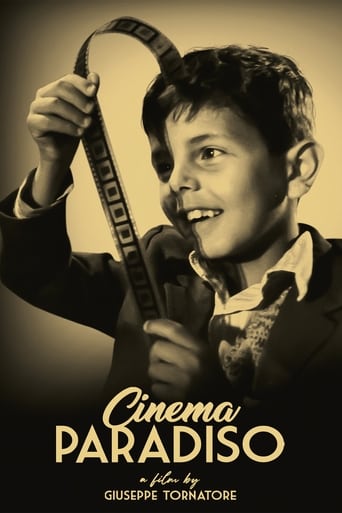
Cinema Paradiso (1988)
Another warm, sentimental Italian film that won the Oscar for Best Foreign Language Film, showing the tradition Benigni's success continued.