Documentary
Leviathan
American
2013 · Directed by Lucien Castaing-Taylor & Véréna Paravel · 87 min


Documentary
American
2013 · Directed by Lucien Castaing-Taylor & Véréna Paravel · 87 min

Meaning, unpacked
Central idea
The film can be read as an attempt to show industrial fishing from no single human point of view. It dissolves the line between workers, machines, animals and sea, so that the viewer feels a vast, indifferent system at work, not a story about individuals.
What it means
For about an hour you are on a commercial fishing boat off New Bedford, with no guide. Nets go out, the catch comes in, and the work goes on through night and day. That is nearly all the film gives you, and it is entirely the point.
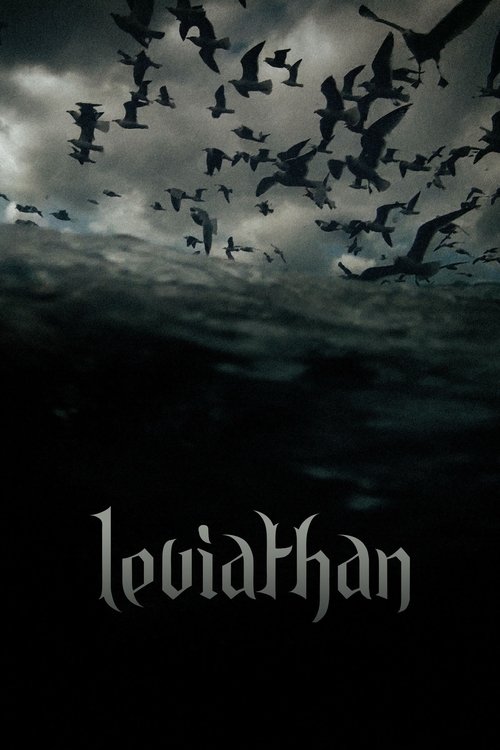
The central idea is that industrial fishing can be shown from no single human point of view. The film dissolves the line between men, machines, animals and sea, so you feel a vast, indifferent system at work, not a story about individuals. Labour is repetitive and physical, and the men are often just hands, boots and silhouettes. Fish and gulls get as much attention as the crew. The title recalls the biblical sea monster, and the film never tells you where the monster is: the sea, the industry, or both.
Why it mattered
The film came out of Harvard's Sensory Ethnography Lab, where filmmaking was treated as a way of doing anthropology through the senses. Lucien Castaing-Taylor and Véréna Paravel rejected explanation. They gave up interviews, clear information and conventional characters to convey what the experience felt like.
To do it, they put small, rugged cameras, including GoPros, on poles, on equipment and on the fishermen, and pushed them into nets, water and fish. The smeared, tilted, abstract images are deliberate. Ernst Karel built the soundtrack from engines, water and machinery, and with no score or commentary, it carries the film's emotional shape. It is not a raw, unedited record: the rawness was built in editing and sound design. It showed that non-fiction could be bodily and sensory, far from the talking-head model.
Before anyone tells you what to think: what did you make of it?
Log in to rate it and leave commentsIt takes one click with Google or an email link. You come straight back here.
Rate it, keep your notes, and find the next film.
Free, no ads. Your journal, your lists, a Cine Guide that remembers you.
Create your free spaceIt premiered at the Locarno Festival in 2012 and travelled the festival circuit before reaching cinemas. Critics were sharply divided. Many praised its visual and sonic power; others found it punishing, repetitive, or too willing to withhold context. Few treated it as an ordinary documentary.
Its standing has grown. It is now seen as a central work of contemporary art documentary, widely taught in visual anthropology and documentary courses, and cited in environmental humanities and animal studies for its nonhuman view. It helped popularise the lightweight-camera, immersive approach and shaped how we talk about the GoPro look. Castaing-Taylor and Paravel went on to explore bodies and perception in Caniba and De Humani Corporis Fabrica. It remains challenging and divisive, and offers no explicit message.
What happens
Nothing is resolved. The camera stays on the sea and the gulls that trail the boat as the light and sound shift, then the film simply stops. The trawler, the ocean and the work carry on exactly as before.
The last image
The sea and the birds following the boat, as the light and sound change, before the film cuts out.
What it says
The ending gives you no message because the film has none. Fishing doesn't pause for a conclusion, and you were never given a human guide. You are left inside a system that goes on, indifferent to you.
Or follow an idea from this film

See what influenced it
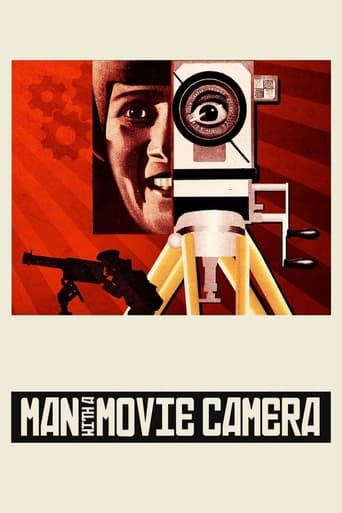
Man with a Movie Camera (1929)
Vertov's experimental city film shows an early belief that the camera could see differently from the human eye, which this film pursues with modern equipment.
Follow the idea
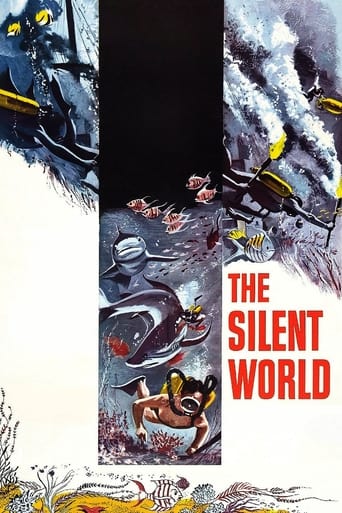
The Silent World (1956)
Cousteau's undersea documentary is a classic of exploring the sea with new cameras, and it makes a revealing contrast with this film's far less reassuring ocean.
Compare another approach
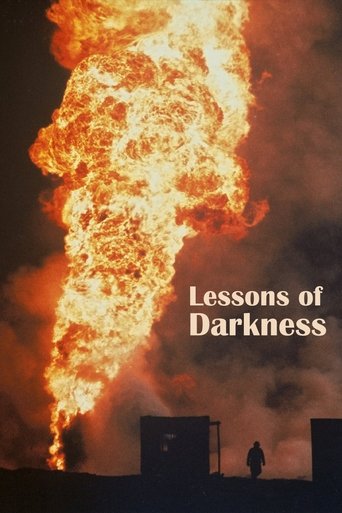
Lessons of Darkness (1992)
Herzog also strips explanation from non-fiction, turning an industrial landscape into an almost hallucinatory spectacle.
Explore the era or movement
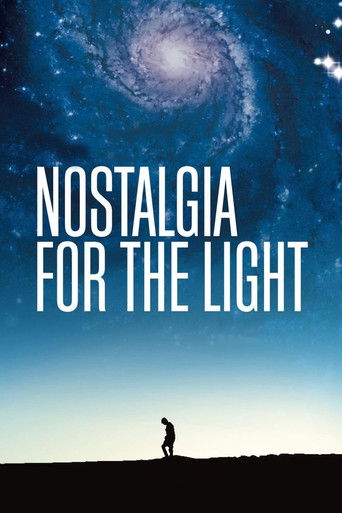
Nostalgia for the Light (2010)
Another contemporary art documentary that moves between enormous natural scales and human experience, but with a spoken, reflective voice.

Follow the idea
Night Mail (1935)
This British documentary also celebrates work and machinery through rhythm and sound, offering a gentler, more optimistic version of the same interest.