Crime · Drama · Action
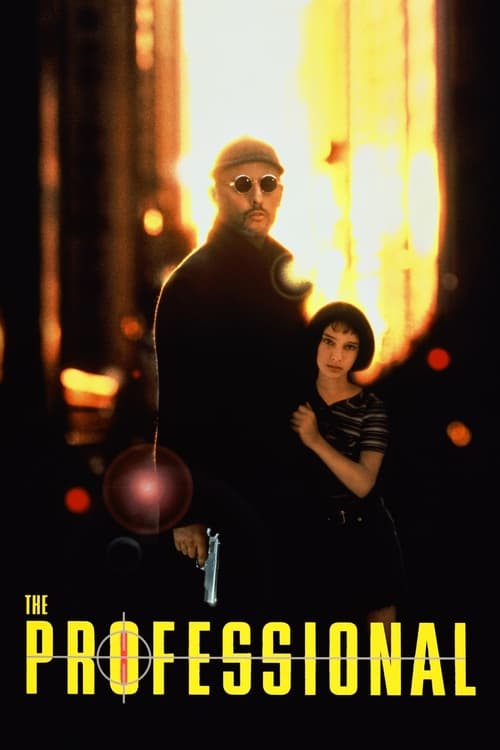
Léon: The Professional
French (Léon)
1994 · Directed by Luc Besson · 111 min


Crime · Drama · Action
French (Léon)
1994 · Directed by Luc Besson · 111 min
Meaning, unpacked
Central idea
The film explores whether a person emptied of feeling can still be reached by love, and what care looks like between two damaged people. It can be read as a modern fairy tale, with innocence and violence in constant contact.
What it means
At its heart, Léon asks whether a person emptied of feeling can still be reached by love, and what care looks like between two damaged people. It can be read as a modern fairy tale, with innocence and violence always in contact. A lonely hitman opens his door to a twelve-year-old girl whose family has just been destroyed by a corrupt lawman, and the two are pulled toward a final confrontation.
Two ideas carry it. The first turns the moral order upside down: Léon kills, but by a strict personal code, while Stansfield, the man who stands for the law, has none. The second is arrested development. Léon is an adult in body but childlike in feeling; he drinks milk, he tends a plant. He and Mathilda are both isolated and unprotected, so their bond becomes a makeshift family, built from need rather than blood. The plant, replanted, gives the film its best-known closing image.
Why it mattered
Léon is often taken for an American film, but it is French: a French director, a French crew, French funding, made in English and set in New York. Luc Besson wrote it soon after Nikita, reportedly as something quicker and smaller, and it grew into a larger production. It is a defining example of 1990s European-made genre cinema aimed at a global audience, in the stylised manner of France's cinéma du look.
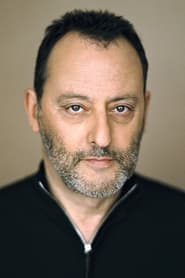
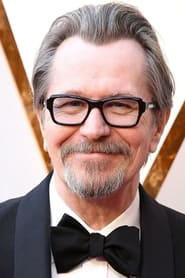
The action is designed rather than chaotic, built around space and sound, with long waits, sudden bursts and clear geography. Thierry Arbogast's cool, controlled photography keeps to tight interiors, so New York feels enclosed. The film also plays three acting registers against each other: Jean Reno's physical economy, Gary Oldman's unpredictable excess, and Natalie Portman's guarded directness, in her first film role.
Before anyone tells you what to think: what did you make of it?
Log in to rate it and leave commentsIt takes one click with Google or an email link. You come straight back here.
Rate it, keep your notes, and find the next film.
Free, no ads. Your journal, your lists, a Cine Guide that remembers you.
Create your free spaceReception on release was mixed to positive. Critics praised the style and the performances, especially Oldman and Reno, while some objected to the relationship between the leads and to what they saw as a glamorising of violence. It did well commercially, particularly in Europe, though it won no Academy Awards. Its reputation then grew through home video, and it became a cult favourite.
It helped set the template of the world-weary assassin who protects a young ward, a pattern seen in many later action films and series, and it launched Portman's career. Mathilda's look and Oldman's "Everyone!" live on in fashion and online clips. The later conversation is harder, focused on the sexualised framing of a twelve-year-old character, and that debate is now part of how the film is discussed. Perhaps that is its lasting tension: tenderness and discomfort in the same frame, and it asks you to hold both.
What happens
Stansfield's men storm the building. Léon sends Mathilda out through the vents and fights his way out, but Stansfield shoots him. Léon dies pulling a grenade pin, taking Stansfield with him. Mathilda is left safe, finally protected.
The last image
Mathilda plants Léon's houseplant in the earth, giving it roots at last.
What it says
Léon, who lived without roots, spends his life to give Mathilda a future. The plant is the quiet payoff: a lonely man's one living thing finally grows, and so can she. Love costs him his life but frees him from emptiness.
Or follow an idea from this film
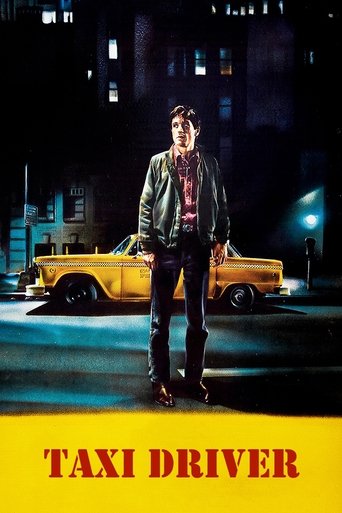

Compare another approach
Taxi Driver (1976)
Another New York story about a lonely, violent man and a young girl, played far more darkly and without the fairy-tale frame.
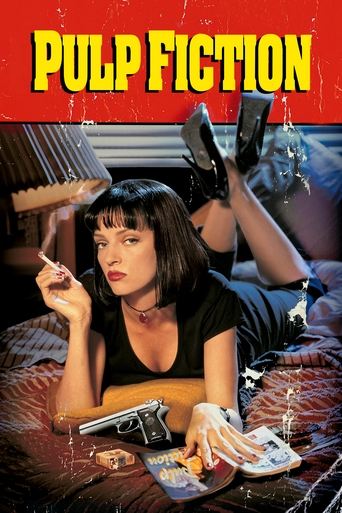
Explore the era or movement
Pulp Fiction (1994)
Released the same year, it shows the other side of stylish 1990s crime cinema, with hitmen as characters and talk as spectacle.
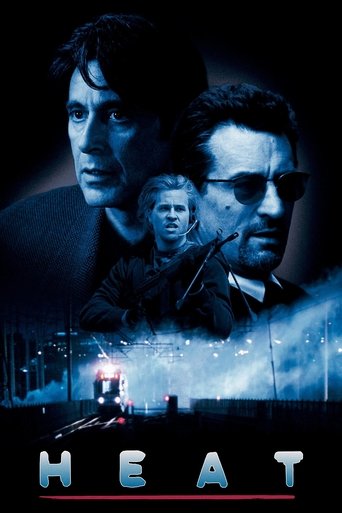
Follow the idea
Heat (1995)
A professional criminal with a strict code, set against a rigorously staged action background.
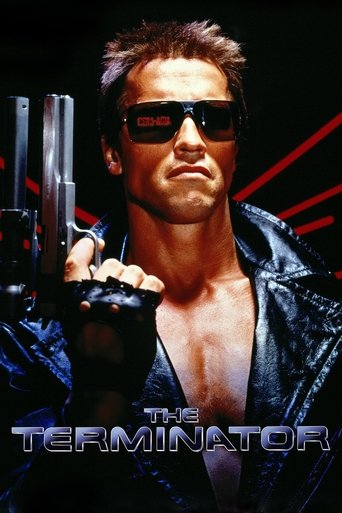
See what influenced it
The Terminator (1984)
A killing machine slowly grows protective, and it shows how action cinema can carry feeling.