Drama · Mystery · Romance
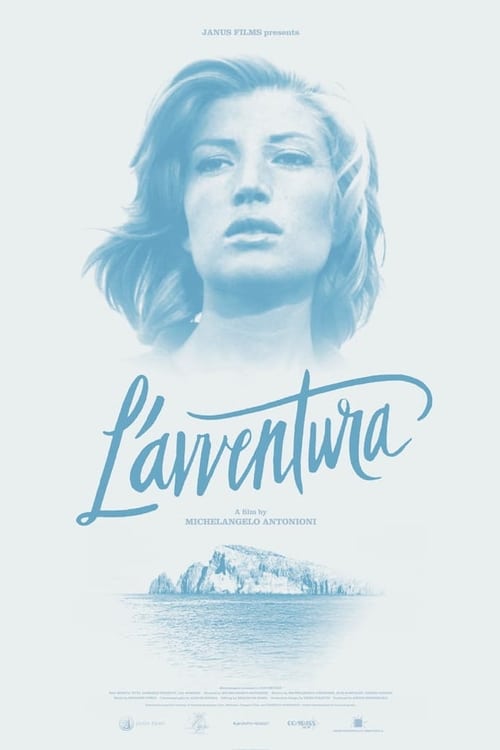
L'Avventura
Italian
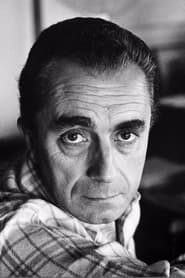
1960 · Directed by Michelangelo Antonioni · 144 min


Drama · Mystery · Romance
Italian
1960 · Directed by Michelangelo Antonioni · 144 min






Meaning, unpacked
Central idea
The film can be read as a study of emotional drift in a prosperous, rootless society: people with money, leisure and beauty around them who struggle to feel, commit or even stay attentive to one another. The disappearance at its centre exposes this more than it drives the plot.
What it means
A young woman named Anna vanishes on a barren volcanic island during a yacht trip, and the film never tells you where she went. That is the point. Antonioni said the disappearance is not a puzzle with a hidden answer, so you can stop hunting for clues. The film is about the people left behind, and Anna's absence soon stops being the question.
Sandro and Claudia chase rumours through Sicily, and the search becomes an excuse for the journey. What the film really studies is emotional drift in a prosperous, rootless society, where people with money, leisure and beauty around them struggle to feel, to commit, or even to pay attention to one another. Talk runs through every scene, but little gets through. Grief fades faster than anyone expects, and the living move on with very little to say to each other. In the last scene, Claudia learns Sandro has been unfaithful. He weeps, and she rests a hand on his head. Pity, or acceptance? The film won't say.
Why it mattered
In 1960, it was unusually bold to shift a plot's centre of gravity from an event to its aftermath. L'Avventura starts with the shape of a mystery, then turns away from it and follows the people reacting. Aldo Scavarda's deep, sharp images set small, cropped or turned-away figures against horizons, walls and vast rock, so the setting seems to press on them. Antonioni holds shots after the story point is made and lingers on empty frames once people leave, so time itself becomes part of the drama. The sparing score lets wind, sea and street noise fill the gaps, which makes silence feel tense rather than empty.
Before anyone tells you what to think: what did you make of it?
Log in to rate it and leave commentsIt takes one click with Google or an email link. You come straight back here.
Rate it, keep your notes, and find the next film.
Free, no ads. Your journal, your lists, a Cine Guide that remembers you.
Create your free spaceThe film helped move Italian cinema from the social concerns of neorealism toward the inner lives of the affluent. It was loudly jeered at Cannes in 1960, but that is not the whole story. Prominent filmmakers and critics signed a statement of support, the jury gave it a special prize, and it became a major international art-house success. A scandal turned into a landmark.
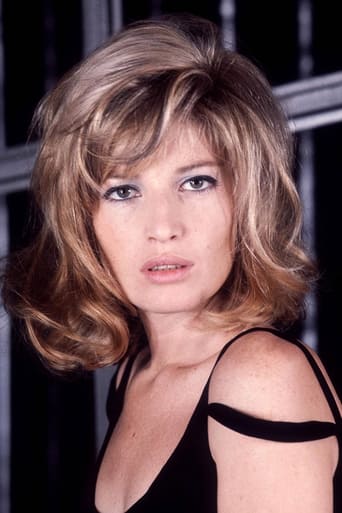
Its way of using landscape, duration and open endings to express inner states shaped the art-film language of the 1960s and after, from Antonioni's own Blow-Up to Tarr, Tsai Ming-liang and Apichatpong Weerasethakul, and became a staple of slow cinema. With La Notte and L'Eclisse, it helped fix alienation and incommunicability as popular labels for postwar malaise, and "Antonioni-esque" became shorthand for empty landscapes and stalled conversations. It made Monica Vitti the face of European art cinema, and it is often cited as the classic thriller setup deliberately left unresolved.
Italian opinion was divided over its slowness, but abroad it quickly became a talking point and made Antonioni's name internationally. Once dismissed by some as slow and evasive, it is now regarded as one of the foundations of modernist cinema. Its refusal of conventional resolution, once the main complaint, is now treated as its greatest achievement.
What happens
In a Taormina hotel, Claudia learns Sandro has been unfaithful again. She is devastated and he weeps. She rests a hand on his head. Anna is never found, and her disappearance is never explained.
The last image
Claudia and Sandro stay together without a word, a blank wall before them and distant Mount Etna beyond.
Two readings
What it says
Anna's absence has long stopped being the question. What lingers is how little these people can say to each other, and how fragile any connection is. The film ends on a gesture, not a resolution.
Or follow an idea from this film

Continue the director
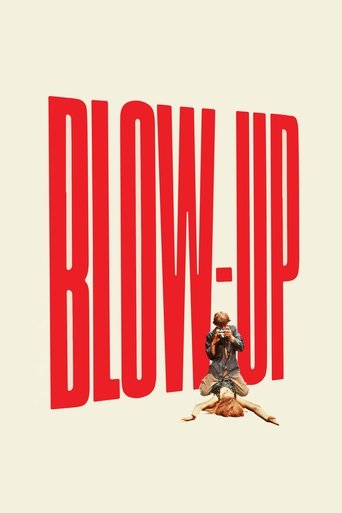
Blow-Up (1967)
Antonioni's most famous later film, set in swinging London. It shows how his focus on perception and uncertainty developed after L'Avventura.
Explore the era or movement
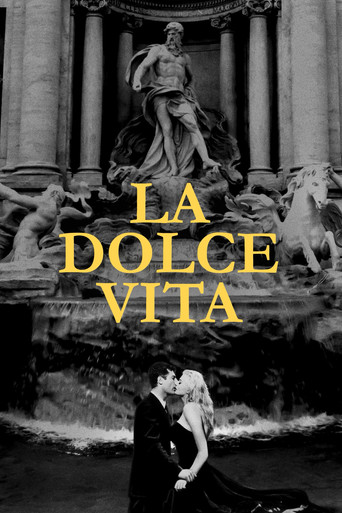
La Dolce Vita (1960)
Released the same year, Fellini's portrait of rich, aimless Rome treats a similar world with more spectacle and sprawl, and makes a revealing contrast.
Compare another approach
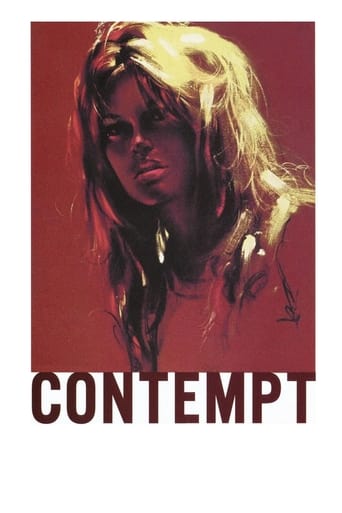
Contempt (1963)
Godard's study of a marriage unravelling, shot in Italian locations with widescreen compositions, shares Antonioni's interest in distance between lovers.
See its influence
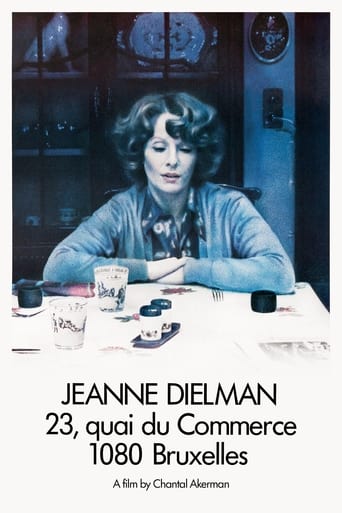
Jeanne Dielman, 23, quai du Commerce, 1080 Bruxelles (1975)
Akerman pushes duration and observation further, showing how Antonioni's logic of time and framing can be carried to an extreme.
Jump forward
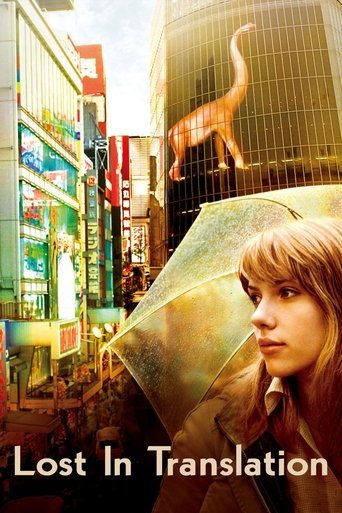
Lost in Translation (2003)
Sofia Coppola's drifting, quiet portrait of two lonely travellers uses setting and silence in an Antonioni-like way for a modern audience.