Drama · Romance · Science Fiction
La Jetée
French
1962 · Directed by Chris Marker · 29 min


Drama · Romance · Science Fiction
French
1962 · Directed by Chris Marker · 29 min
Meaning, unpacked
Central idea
The film can be read as an inquiry into how memory shapes identity and how a single image can hold a whole life. It explores whether anyone can escape the past that made them.
What it means
La Jetée is about a single memory. After World War Three, a man in ruined Paris is chosen for an experiment because he cannot let go of one childhood image: a woman's face on the jetty at Orly, and a man collapsing nearby. Sent into the past, he meets the woman. Offered a place in the future, he asks to go back to her. On the jetty, he sees a man from the camp following him and understands that the death he saw as a child was his own.
The central idea is that memory shapes identity, and one image can hold a whole life. The past cannot be changed, and a life may be a closed circuit, with the end already present in the beginning. Around that loop sit love as the anchor, the nuclear fear of ruined Paris, and a question the film keeps asking: do images preserve the things they show, or replace them?
Why it mattered
Nearly every image in La Jetée is a still photograph. Chris Marker controls how long each one stays, what order they come in and how they dissolve, so editing becomes the film's motion. The choice came partly from economy and partly from conviction, and he did not hide the limits. They shaped the mood, the narration and the rhythm.
Sound does the work the pictures can't: choral music, heartbeats, whispered phrases and a restrained voice-over that sounds like an official report and a confession at once. Real Paris locations and underground spaces make the future feel lived-in on almost no budget. And because you have been taught to expect stillness, the one moment when the woman wakes and a photograph moves lands with real force.
Before anyone tells you what to think: what did you make of it?
Log in to rate it and leave commentsIt takes one click with Google or an email link. You come straight back here.
Rate it, keep your notes, and find the next film.
Free, no ads. Your journal, your lists, a Cine Guide that remembers you.
Create your free spaceAt first, La Jetée was seen mostly by festival audiences and cinephiles. It was admired in French film circles and won the Prix Jean Vigo in 1963, and critics noted its unusual form, its poetic voice-over and its emotional force. Its influence ran through later time-travel stories about memory trapped in a loop, and through essay filmmakers, including Marker's own Sans Soleil in 1983. Terry Gilliam's Twelve Monkeys (1995) was inspired by it, though it is better seen as a reinterpretation than a remake.
Its reputation has grown steadily, especially since Twelve Monkeys brought it wider notice. Today it is taught as a key example of the essay film and of how editing, sound and narration can replace motion and spectacle. It also stands as an enduring image of Cold War dread, told with strikingly little spectacle, and it is often the first Marker film people meet.
What happens
He returns to the jetty and sees the woman. As he runs toward her, he notices a man from the camp following him. He realizes the death he witnessed as a child was his own, and the memory that defined his life was its ending.
The last image
The man runs along the jetty toward the woman, while the man from the camp closes in behind him.
What it says
The ending closes the circle: the opening image was also the last. The film suggests the past cannot be changed and that a life may be a closed loop, with its end already present in its beginning.
Or follow an idea from this film
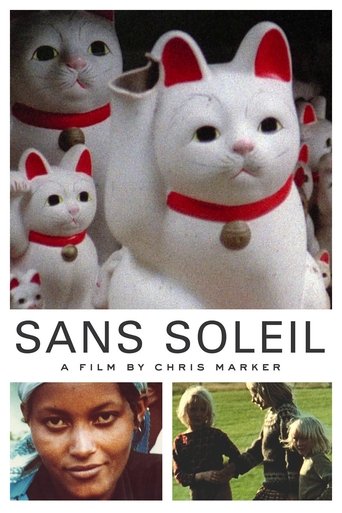

Continue the director
Sans Soleil (1983)
Marker's essay film extends the ideas of memory, time and the power of images, and shows his mature style.
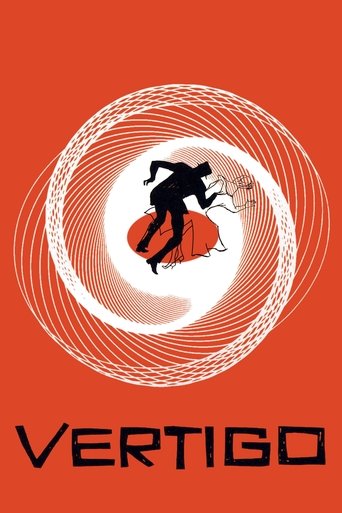
See what influenced it
Vertigo (1958)
Hitchcock's film of obsession and time is directly acknowledged in La Jetée, and it rewards a second look after Marker.
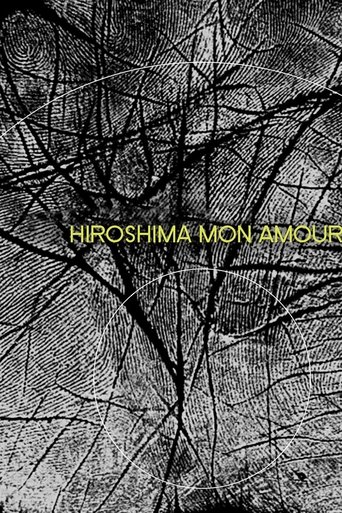
Explore the era or movement
Hiroshima Mon Amour (1959)
Resnais's Left Bank classic treats memory and trauma through voice and montage, and it makes a natural companion to Marker.
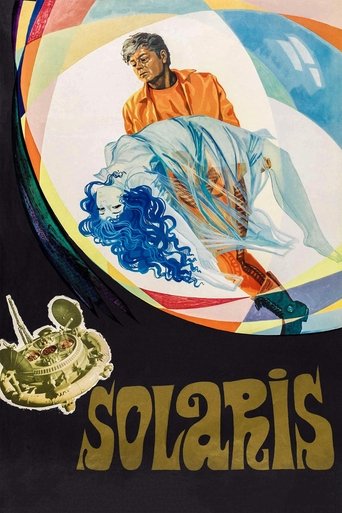
Follow the idea
Solaris (1972)
Tarkovsky's science fiction also turns memory and lost love into the centre of its story, though through slow long takes.
Jump forward
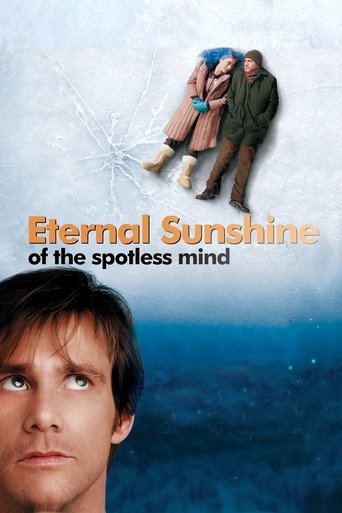
Eternal Sunshine of the Spotless Mind (2004)
A later, warmer film about memory and love that shares La Jetée's belief that a relationship lives in remembered images.