Adventure · Fantasy · Horror
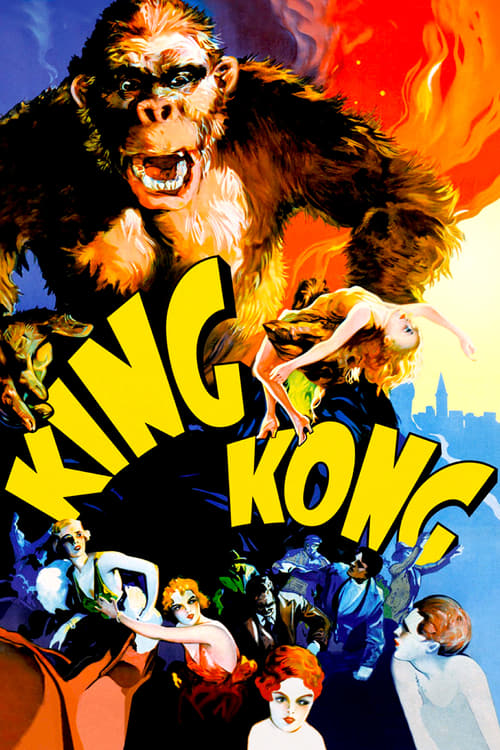
King Kong
American
1933 · Directed by Merian C. Cooper & Ernest B. Schoedsack · 100 min


Adventure · Fantasy · Horror
American
1933 · Directed by Merian C. Cooper & Ernest B. Schoedsack · 100 min





Meaning, unpacked
Central idea
The film can be read as a story about spectacle and the people who sell it: the hunger to capture something wild, show it off and profit from it, and what that appetite costs.
What it means
King Kong is a film about spectacle, and about the people who sell it. Denham, the showman, sees wonders as raw material. He wants to capture something wild, show it off and profit from it. The film loves that spectacle as much as he does, yet it questions the appetite behind it, and what that appetite costs.
You can see it from the start. In Ann's screen test on the ship, Denham tells her where to look and how to scream at something that isn't there: fear on cue. Nearly every gaze in the film wants to possess something. Then, at the Broadway unveiling, the captured wonder becomes a show for a paying audience, and the critique is staged right in front of you. The film also asks which world is more savage, the skyscrapers and steamships or a jungle of survivors from deep time. And its closing line, "It was Beauty killed the Beast," lets the crowd and the showman off the hook. Who put Kong on that building in the first place?
Why it mattered
In spring 1933 the film was a major hit, and it helped save RKO, which was in financial trouble. Audiences were enthralled by the effects, and reviewers praised its imagination. Its story began with hunger on New York streets and offered a fantasy of fortune and danger beyond ordinary life, which suited a Depression-era audience. Some people objected to its violence and sensuality, and a 1938 reissue was trimmed. Those cuts were restored later.
It showed that sound-era effects technology could make the impossible feel physical. Willis O'Brien's team photographed small models, about eighteen inches tall, one frame at a time, then merged them with live action. Kong feels like a character, not a trick. Max Steiner's score was one of the first full-length original scores for a sound feature, at a time when studios often used stock music, and its success helped make continuous orchestral scoring common in Hollywood.
Before anyone tells you what to think: what did you make of it?
Log in to rate it and leave commentsIt takes one click with Google or an email link. You come straight back here.
Rate it, keep your notes, and find the next film.
Free, no ads. Your journal, your lists, a Cine Guide that remembers you.
Create your free spaceKing Kong established the giant-monster film. It inspired generations of effects artists, among them Ray Harryhausen, and it fed into the Japanese kaiju tradition. King Kong vs. Godzilla followed in 1962. Kong on the Empire State Building became one of cinema's most reproduced images, and "Kong-sized" entered everyday language for anything huge. Fay Wray, screaming in his hand, became a defining image of the "scream queen."
Today it is a classic, valued for its animation craft and its self-aware story about spectacle. It is also discussed more critically. The film inherits an adventure tradition in which outsiders treat distant people and creatures as props, and critics and teachers use it to talk about race, colonialism and how Hollywood portrayed empire. The treatment of its female lead is part of that conversation too.
What happens
Kong carries Ann up the Empire State Building, where aeroplanes shoot him down. He gently sets her down before he falls to the street. It reveals the creature as tender, and the real threat as the showman who brought him here.
The last line
"It was Beauty killed the Beast."
What it says
The ending turns the showman's triumph into an accusation. Denham's neat line lets the crowd and himself off the hook. The film asks you to notice who put Kong on that building, and who paid for the spectacle.
Or follow an idea from this film

Explore the era or movement
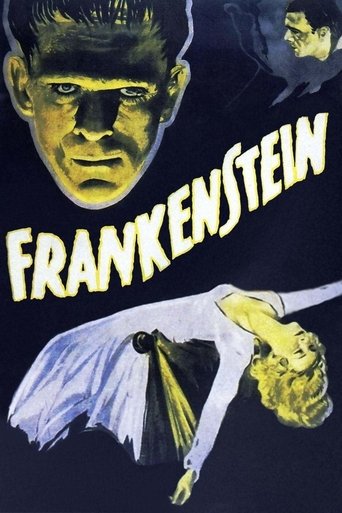
Frankenstein (1931)
The most important Hollywood monster film just before Kong shows the horror cycle that made audiences ready for it, with a very different, more intimate approach to a creature.
See what influenced it
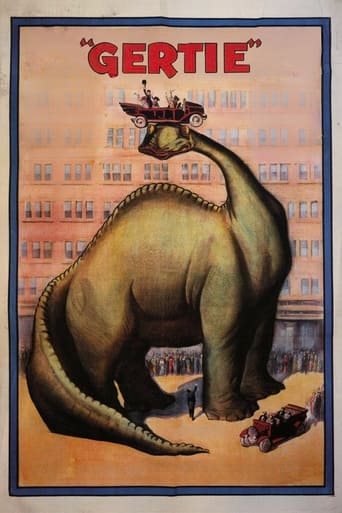
Gertie the Dinosaur (1914)
An early animated prehistoric creature that performs for an audience. It shows the lineage of drawn and animated creatures with personality.

See its influence
Jurassic Park (1993)
The modern version of the same promise: a long approach, then living creatures meeting people. Compare the digital effects with the older craft.

Compare another approach
Cat People (1942)
Another RKO fantasy-horror, but it works through shadow and suggestion where Kong shows everything. A useful contrast of two ways to frighten an audience.
Follow the idea
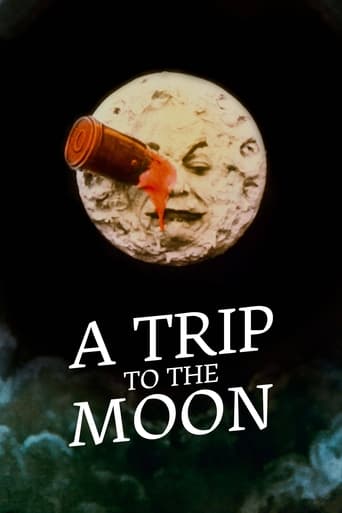
A Trip to the Moon (1902)
Méliès began the tradition of cinema as fantasy spectacle built through trickery. Kong is a later, richer descendant.