Action · Drama · History · War
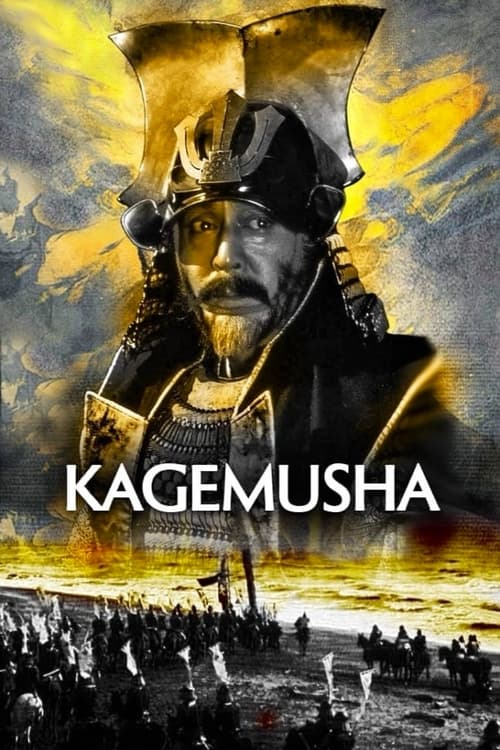
Kagemusha
Japanese (影武者)
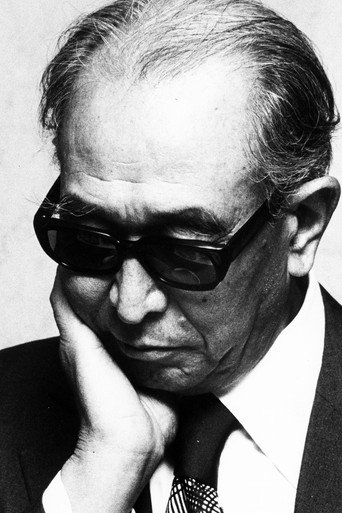
1980 · Directed by Akira Kurosawa · 180 min


Action · Drama · History · War
Japanese (影武者)
1980 · Directed by Akira Kurosawa · 180 min





Meaning, unpacked
Central idea
The film can be read as an inquiry into the gap between a person and the role he plays. Authority here depends on image, ritual and belief, and a double can fill the role until the role begins to change him.
What it means
Kagemusha asks a simple and unsettling question: what is a person once you take away the role he plays? A thief is made to stand in for the dead warlord Takeda Shingen so that his clan can survive. He wears the face and the manner, and slowly the role begins to change him. He gradually takes on the bearing and the responsibility of the man he copies, and the film wonders whether identity is something inside us or simply the way others treat us.
Around that sits a story of decline. Authority here rests on image, ritual and belief: the clan lives on because of the illusion of Shingen's presence, and his name and appearance work almost like a defensive weapon. Shingen's son Katsuyori resents his father's shadow and needs to prove himself, and that need helps destroy the house. Firearms and new tactics replace honour-bound cavalry, and the old world cannot adapt. The double is useful, and then he is discarded, which shows how the old order treats the people beneath it. A mask can hold a world together, but it cannot save the man inside it.
Why it mattered
Kurosawa's 1970s were hard. There was financial failure, a suicide attempt in 1971, and work abroad on Dersu Uzala. Kagemusha was his return to the large-scale historical epic, made when such spectacle was becoming rare in Japanese cinema. It restored his standing, shared the Palme d'Or at Cannes in 1980, and made Ran possible.
It also showed how far he had moved from the kinetic energy of Seven Samurai. Colour, composition and stillness carry the drama more than action. His own paintings guided the palette and framing, the staging borrows from Noh, and the climactic battle is shown through its brutal aftermath, so the war feels tragic rather than thrilling. Colour became emotion, and a samurai epic became something close to a moving painting.
Before anyone tells you what to think: what did you make of it?
Log in to rate it and leave commentsIt takes one click with Google or an email link. You come straight back here.
Rate it, keep your notes, and find the next film.
Free, no ads. Your journal, your lists, a Cine Guide that remembers you.
Create your free spaceIt proved Kurosawa could still mount period epics on a huge scale, and it set the template for Ran. Its painterly, theatrical approach to historical spectacle influenced later Asian and international directors of epic cinema. The film's nightmare sequence and the saturated colour of its battles are still used in film courses to show how painting, Noh-style stillness and epic spectacle can be joined together.
Its mark reaches beyond cinema. The word kagemusha already meant a warlord's decoy, and the film carried it to audiences abroad. In Japanese it is also used for someone who stands in for a leader or wields influence from behind the scenes. Today it is seen as the key film of Kurosawa's late period and a bridge to Ran. It was a major commercial success in Japan, and critics praised its grandeur and Nakadai's performance, though some found it slower and more austere than the earlier action epics. Many viewers now value its psychological first half most, and see it as underrated beside the classic samurai films.
What happens
At Nagashino, Katsuyori sends the Takeda cavalry against massed gunfire and it is destroyed. The cast-out thief charges the guns with a spear, is shot, crawls to a river, and dies. The clan falls, and he is discarded.
The last image
The thief's body drifts down the river, beside the fallen Takeda banner.
What it says
The ending shows that an illusion can hold a world together but cannot save the man inside it. Katsuyori's pride and the new guns end the old order, and the thief's death shows how it treats those beneath it.
Or follow an idea from this film

Continue the director
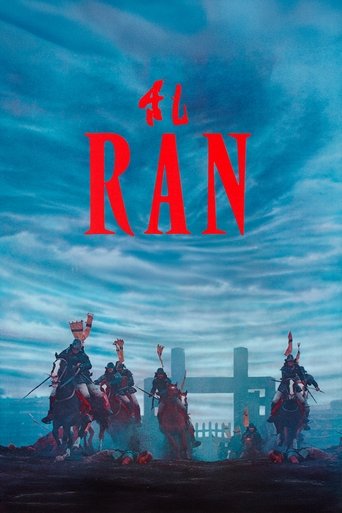
Ran (1985)
Kurosawa's next epic, a King Lear-inspired tragedy of a warlord's family, carries Kagemusha's colour and theatricality to its fullest form.

See what influenced it
Seven Samurai (1954)
Compare Kurosawa's early kinetic style with the stillness of Kagemusha and see how the same director treats war and samurai.
Follow the idea
Harakiri (1962)
Another samurai film that questions loyalty, honour and the cost of the feudal system, with a sharper critical edge.

Compare another approach
Barry Lyndon (1975)
Another painterly historical epic that uses composition, light and slow rhythm to look at ambition and fate.
Jump forward
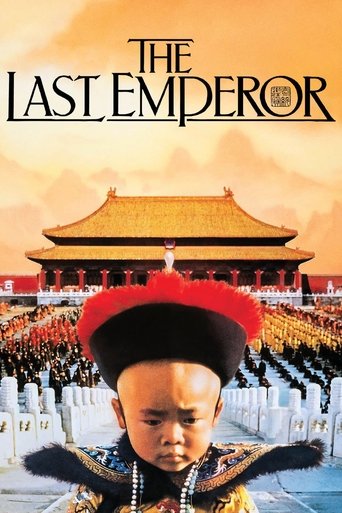
The Last Emperor (1987)
A later epic about a ruler trapped in ceremony and image, with spectacle that serves a psychological story.