Drama · Mystery · Thriller
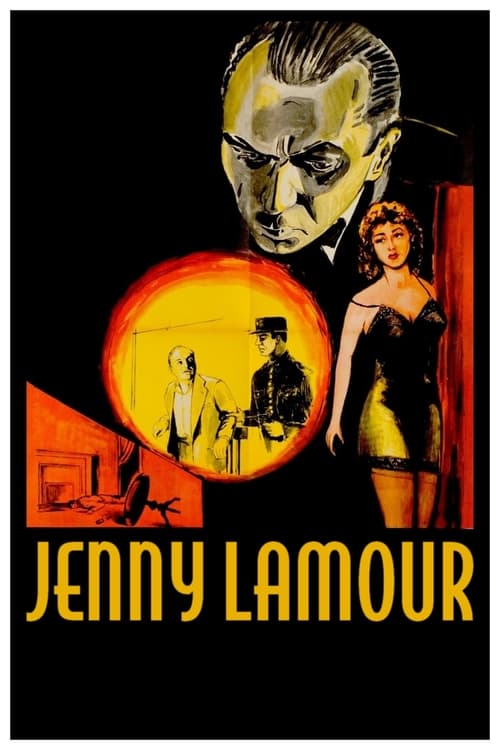
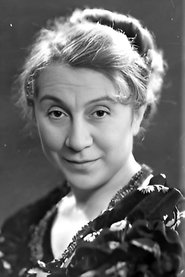
Jenny Lamour
French (Quai des Orfèvres)
1947 · Directed by Henri-Georges Clouzot · 108 min


Drama · Mystery · Thriller
French (Quai des Orfèvres)
1947 · Directed by Henri-Georges Clouzot · 108 min
Meaning, unpacked
Central idea
The film can be read as a murder mystery in which guilt is diffuse. Almost everyone lies, hides something or acts from desperate affection, and the inspector, who understands this, treats justice as a matter of human judgement rather than just evidence.
What it means
Jenny Lamour, known in France as Quai des Orfèvres, begins with a jealous husband, an ambitious singer and a night that ends in murder. But the film is really about what comes after, when a weary inspector starts sorting through the lies.
Its central idea is that guilt is spread thin. Almost everyone lies, hides something or acts out of desperate affection. Jenny's hunger for fame blurs her stage self and her real one. Maurice's jealousy tangles love, ownership and suspicion. Dora, the photographer, is quietly devoted to Jenny, and that loyalty complicates who looks guilty, and why. Inspector Antoine, played by Louis Jouvet, understands all this. For him, justice is not only evidence. It is human judgement, and the cleverest thing a detective can do is understand people before he judges them.
Why it mattered
Clouzot moves from character comedy to crime story to procedural without jarring shifts, so your sympathies are never quite settled. He does it among cramped flats, theatre corridors and winter streets, a Paris still recovering, with cold rooms and plain opportunism. It feels lived in, not glamorous. The solution arrives with moral weight, not a showy twist.
There was personal weight too. Clouzot's previous film, Le Corbeau, made in 1943 for a German-controlled company, brought accusations of collaboration after the Liberation and a ban on his working. This was his return, and at Venice in 1947 it won the prize for best direction, a public sign that his talent had survived the controversy.
Before anyone tells you what to think: what did you make of it?
Log in to rate it and leave commentsIt takes one click with Google or an email link. You come straight back here.
Rate it, keep your notes, and find the next film.
Free, no ads. Your journal, your lists, a Cine Guide that remembers you.
Create your free spaceIn France it was a significant popular and critical success, praised for its crisp storytelling and its performances, especially Jouvet's. Its weary, humane policeman, and its mix of crime plot with social observation, fed later French police films, including Jean-Pierre Melville's. It also confirmed Clouzot as a master of suspense. Its picture of music halls and cramped flats just after the Occupation is often cited as a snapshot of the period's mood, and Dora is often noted as an unusually matter-of-fact and sympathetic lesbian character for 1940s mainstream cinema.
Today it is seen as one of the finest French thrillers of the 1940s, though often overshadowed by The Wages of Fear and Les Diaboliques. Those are the natural next steps, along with Le Corbeau, and then Melville's police films. It is not simply French film noir copied from Hollywood. It shares the shadows and moral ambiguity, but grows from French traditions of poetic realism, backstage comedy and the roman policier.
What happens
Inspector Antoine works out that Dora, not Maurice, killed Brignon, after a confrontation tied to her feelings for Jenny. Dora confesses and the case closes. Jenny and Maurice are reconciled, and Antoine goes home to his son.
The last image
Antoine returns home on Christmas Eve to the son he raises alone.
What it says
Almost everyone lied out of fear or love, and the film treats that with sympathy. Antoine judges people only after understanding them. Ending on his quiet homecoming, not on the arrest, puts the film's weight on human warmth rather than on the puzzle.
Or follow an idea from this film


Continue the director
The Wages of Fear (1953)
Clouzot at full strength: a fearful, sweaty thriller built on tension and human weakness, very different in setting but equally unsentimental.
Compare another approach
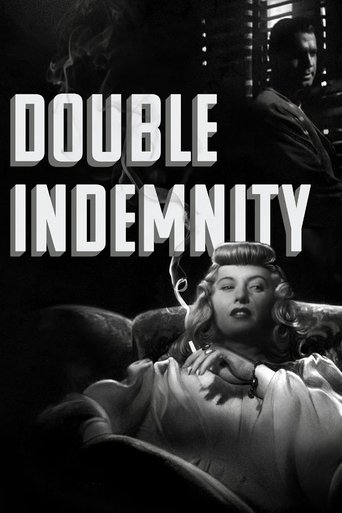
Double Indemnity (1944)
The American model of noir and crime, with a more fatalistic view. Comparing it shows how French cinema softened the pessimism with humour and humane detail.

See what influenced it
Port of Shadows (1938)
A key poetic realist film that shows the atmospheric, fatalistic Paris tradition that Clouzot inherits and hardens.
Jump forward
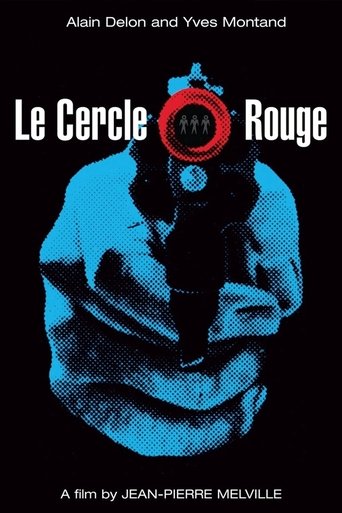
Le Cercle Rouge (1970)
Melville's stylish French crime film shows where the genre went, with a cooler tone and a similar attention to policemen and criminals.