Mystery · Thriller · Drama
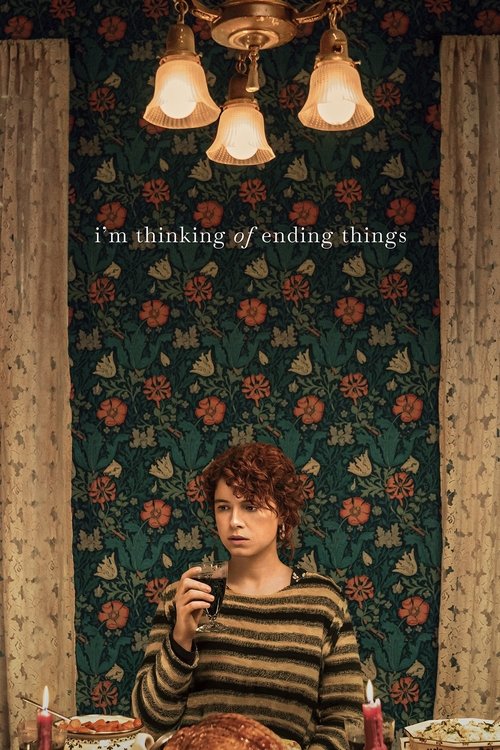
I'm Thinking of Ending Things
American
2020 · Directed by Charlie Kaufman · 135 min


Mystery · Thriller · Drama
American
2020 · Directed by Charlie Kaufman · 135 min










Meaning, unpacked
Central idea
The film can be read as an exploration of how a lonely mind rehearses its life: the conversations never had, the regrets, the person one wished to be. Its thriller form turns that inner experience into a haunted house.
What it means
On the surface, this is a thriller. A young woman rides through the snow with her boyfriend Jake to meet his parents at their farm. But the names change, the ages slip, and the evening never settles. By the end, it seems you have been inside the mind of an old man, the school janitor you kept glimpsing.
That reading is the key. The film's subject is a lonely mind rehearsing its life: the conversations never had, the regrets, the person he wished he'd been. The haunted house here is a head. It is not a horror film ending in murder, and the shifting names, clothes and ages are deliberate, not errors. The last movement is a fantasy, in which an old man imagines the success and love he never had. The title is a sentence anyone might think. The film asks what happens when you keep thinking it, alone, for a lifetime.
Why it mattered
Charlie Kaufman had already written Being John Malkovich and Eternal Sunshine of the Spotless Mind before directing, and this adaptation of Iain Reid's 2016 novel shows his control at its most uncompromising. He kept the novel's premise of a couple visiting the parents, but made it more reflective, with its own ending and digressions. Conversation becomes the action, with characters speaking in essays, quotations and digressions.
It also mattered as a matter of who would back it. Netflix released it on 4 September 2020 and gave Kaufman room to make a long, ambiguous film that conventional distributors might have found hard to sell. It shows how streaming changed what could reach a mass audience, and it pushes the psychological thriller toward the essay film and the theatrical chamber piece.
Before anyone tells you what to think: what did you make of it?
Log in to rate it and leave commentsIt takes one click with Google or an email link. You come straight back here.
Rate it, keep your notes, and find the next film.
Free, no ads. Your journal, your lists, a Cine Guide that remembers you.
Create your free spaceReviews were sharply divided, though many were strongly positive, especially about the performances, the writing and the atmosphere. Those who disliked it found it cold or willfully obscure. Released during pandemic lockdowns, it became a much-discussed film to watch at home, with rewatches and long online threads about its shifting details. It sent some viewers to Pauline Kael's writing and to the Oklahoma! dream ballet it stages.
It is part of a wave of streaming-era films that blend genre with a personal vision, and it showed that audiences would accept long, unresolved puzzles at home. Its reputation has grown among viewers who enjoy ambiguity and rewatching. It is now counted among the most distinctive films of 2020 and as an essential late entry in Kaufman's career. It remains divisive, which suits its design.
What happens
The old janitor dies alone in his truck in the snow. He is Jake, and the girlfriend, the parents and the whole road trip were his imagining of a life he never lived. Everyone we met was assembled from his memories.
The last image
After the old man's final fantasy of an award and a song on stage, the film ends on the snow settling over his truck and his empty life.
What it says
The film was never a thriller about a visit. It was a lonely mind rehearsing its regrets, so it ends in a fantasy of the success and love he never had, then in quiet death, which is why it feels like grief rather than horror.
Or follow an idea from this film
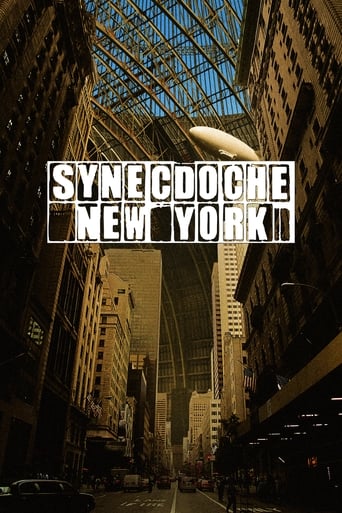

Continue the director
Synecdoche, New York (2008)
Kaufman's first film as director is bigger in scale but built on the same concerns: ageing, regret and a mind building its own world.
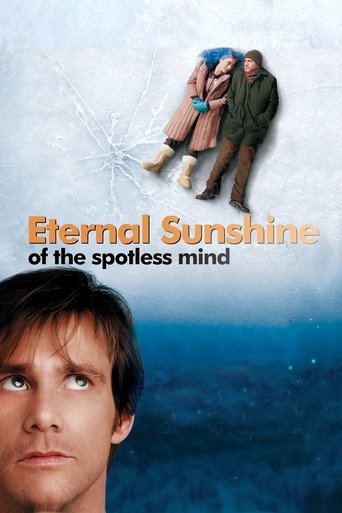
Compare another approach
Eternal Sunshine of the Spotless Mind (2004)
Written by Kaufman and directed by Michel Gondry. It treats memory, regret and relationships with more warmth, and makes a good companion piece.
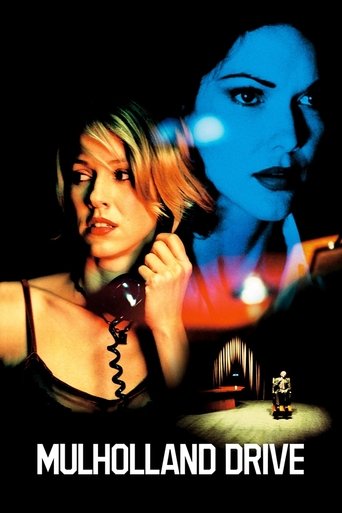
Follow the idea
Mulholland Drive (2001)
Lynch's film is another story in which realism gradually loosens and emotion matters more than plot.

Follow the idea
A Woman Under the Influence (1974)
John Cassavetes' film is the subject of the review recited in this one. Watching it shows what the borrowed words refer to.

See what influenced it
8½ (1963)
Fellini's film is an earlier landmark in which a man's memories, desires and fantasies are staged as cinema.