Drama
if....
British
1969 · Directed by Lindsay Anderson · 112 min


Drama
British
1969 · Directed by Lindsay Anderson · 112 min





Meaning, unpacked
Central idea
The film can be read as an attack on how a society reproduces itself. The school trains boys to accept rank, repress feeling and treat authority as natural, and it asks what happens when some of them refuse to learn that lesson.
What it means
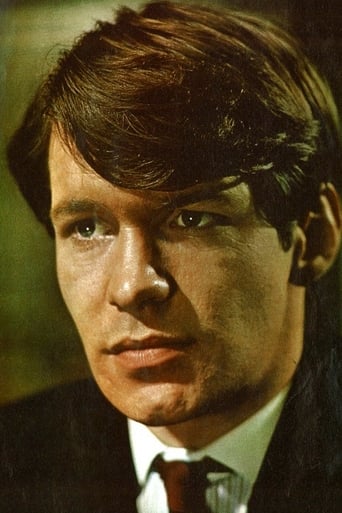
Mick Travis and his friends push against the prefects at an English boarding school, until Founders' Day, when they open fire from the roof. But the film's real interest lies elsewhere. It is an attack on how a society reproduces itself. The school trains boys to accept rank, to bury their feelings and to treat authority as natural, and the film asks what happens when some of them refuse the lesson.
Notice how it shows cruelty. Nobody is cruel out of spite. Prefects, fagging, house rules and ceremony turn power into habit, so cruelty is taught, then handed down. That is why the prefects' beating is so chilling: it is staged as a ceremony, with unusual calm. The school is also England in miniature, with church, army, class and empire all rehearsed in chapel, drill and prize days. The finale turns that ceremonial order against itself, and the film will not say whether it is literal, symbolic or wishful. The roof is a fantasy, but the rituals below it were real, and the film leaves you to decide which is harder to look at.
Why it mattered
It caught the mood of 1968. The film was shot that year, the year of student uprisings in Paris and elsewhere. The script came first, but audiences in 1969 read it against those events. It also took the English public-school story away from warm nostalgia and made it sharp social satire.
It was formally daring too. It moves between colour and black and white with no single rule, breaking the realist surface. Titled chapters and brisk scenes echo the school term, like lessons in the system. Shot on location at Cheltenham College by Miroslav Ondříček, with real stone, corridors and chapel, it gives its fantasy a documentary solidity.
Before anyone tells you what to think: what did you make of it?
Log in to rate it and leave commentsIt takes one click with Google or an email link. You come straight back here.
Rate it, keep your notes, and find the next film.
Free, no ads. Your journal, your lists, a Cine Guide that remembers you.
Create your free spaceReaction was split. In Britain, some critics and school-minded viewers found it offensive. Abroad it was admired as a vivid expression of youth revolt, and it won the Palme d'Or at Cannes in 1969. It made Malcolm McDowell a star, and Stanley Kubrick later cast him in A Clockwork Orange. The image of rebels firing from the roof became shorthand for late-sixties revolt, and it shaped how the boarding school is pictured and satirised. Its blend of realism, comedy and surreal imagery also influenced later directors who treated national institutions as theatre.
Its reputation has grown steadily. It is now seen as Anderson's key work and one of the most formally inventive British films of its decade. The satire still reads as sharp. Later school-violence tragedies have made the finale harder, and more debated, to watch.
What happens
On Founders' Day, Mick, Johnny, Wallace and the Girl set a fire, take the roof and shoot at the fleeing crowd. The Girl shoots the Headmaster as he calls for calm. Mick keeps firing as the film ends.
The last image
Mick, still firing down at the crowd from the roof, is the last thing you see.
Three readings
What it says
The ending turns the school's own ceremony against it, with the whole establishment gathered in one place. By refusing to say whether it happens, the film shows rebellion as both a wish and an act, and leaves the choice to you.
Or follow an idea from this film

See what influenced it
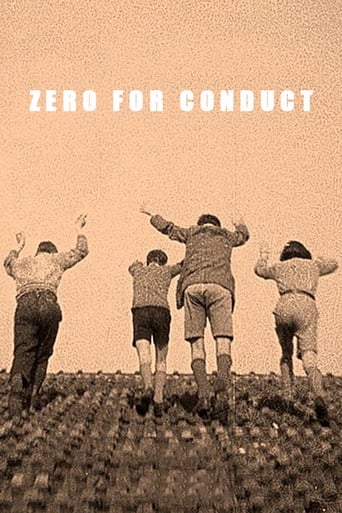
Zéro de conduite (1933)
Vigo's short boarding-school film is the clearest ancestor, with the same comic, poetic mix. Watch it to see where Anderson's tone came from.

Continue the director
O Lucky Man! (1973)
Anderson and McDowell return to Mick Travis in a bigger, more episodic satire of Britain. It extends the ideas of if.... across a whole society.
See its influence
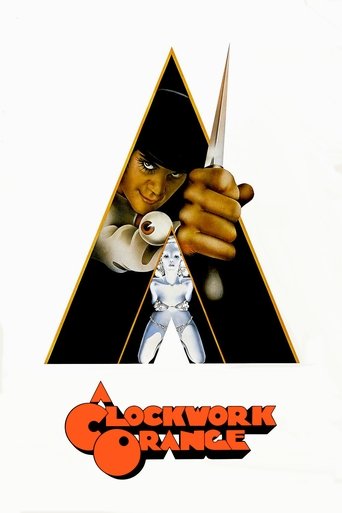
A Clockwork Orange (1971)
Kubrick built his film around McDowell soon after. It is a good test of how the same actor's presence changes in a very different, more stylised world.
Compare another approach
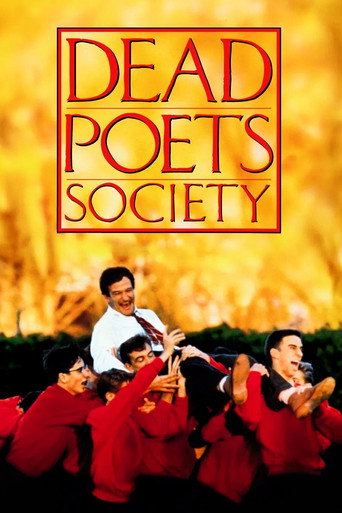
Dead Poets Society (1989)
A mainstream American take on school, authority and youth. Comparing the two shows how differently a film can treat the same institutional pressures.

Explore the era or movement
The 400 Blows (1959)
Truffaut's school-and-family portrait of a rebellious boy is an earlier, more tender treatment of youth against institutions, and a useful contrast in tone.