Mystery · Thriller
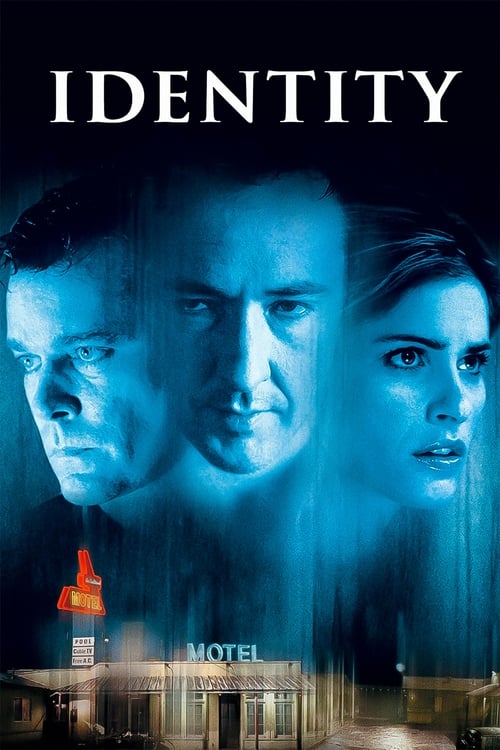
Identity
American
2003 · Directed by James Mangold · 90 min


Mystery · Thriller
American
2003 · Directed by James Mangold · 90 min
Meaning, unpacked
Central idea
The film is a story about identity and how it can be divided. Behind its whodunit mechanics, it asks who a person really is when fear, trauma and self-protection take over, and what it costs to find the real culprit.
What it means
Ten strangers are stranded at a run-down motel in a storm, and they are killed one by one. Then the film tells you where it was really happening: inside the mind of the convicted killer Malcolm Rivers, on the night of his hearing. The ten guests are not what they seem. They are fragments of one divided self.
So Identity is about who a person really is when fear, trauma and self-protection take over. The violence is tied to an abused childhood, and the film treats evil as something made by what a person endured. It asks who deserves to survive, but no answer is fair, because the survivors are not independent people. It also makes your trust in what you see its real subject, then punishes that trust.
Why it mattered
Identity is a mid-budget studio thriller of the early 2000s, and it shows how a classic detective structure could be joined to the horror conventions popular since the late 1970s. Michael Cooney's script keeps almost everything to one night in one place, and runs a Christie-style elimination plot alongside a second thread, the hearing. The two are cut together so each informs the other once you see the full picture.
That cross-cutting keeps suspense high while holding back crucial context, so you watch for the next death rather than the rules of the world. Then the corpses vanish and the whodunit turns into something stranger. For director James Mangold, it was a leap from the period romance Kate & Leopold to a pure genre piece, a game between filmmaker and viewer.
Before anyone tells you what to think: what did you make of it?
Log in to rate it and leave commentsIt takes one click with Google or an email link. You come straight back here.
Rate it, keep your notes, and find the next film.
Free, no ads. Your journal, your lists, a Cine Guide that remembers you.
Create your free spaceIt belongs to the wave of 2000s twist-driven thrillers, and it updated the closed-circle form for the multiplex. Later films such as Saw, in 2004, and Split, in 2017, share its love of elaborate puzzles and the fractured mind. Its rainy roadside motel also carries on the tradition of lonely lodgings that Psycho made famous.
Reviews at the time were mixed to positive. Critics praised the pace, atmosphere and cast, though some found the late reveal contrived. It did moderate business, which suited its scale. Its reputation has grown since: people revisit it to see how the clues are laid, and it is a common reference for twist thrillers. Opinion stays divided on how fair the final reveal is, and some commentators criticise its use of dissociative identity disorder as a killer reveal, saying it reinforces the stereotype of mentally ill people as violent.
What happens
The motel was inside Malcolm Rivers's mind, and his ten guests were his personalities. Paris seems to be the last one left, but Timmy, the child personality, has survived. He kills Dr. Malick and then Paris, leaving Rivers with one occupant.
The last image
Paris dreams of her orange farm in Florida, but the last shot shows Timmy standing among the orange trees.
What it says
The ending is a trap, not a rescue. The film treats evil as something made by childhood abuse, and no fragment of Rivers could ever be innocent. It also punishes you for trusting what you were shown: the quiet survivor was never the safe one.
Or follow an idea from this film


Follow the idea
Murder on the Orient Express (1974)
A star-studded Christie adaptation in which a group of strangers is trapped together with a murderer. It is the classic form that Identity reworks.
See what influenced it
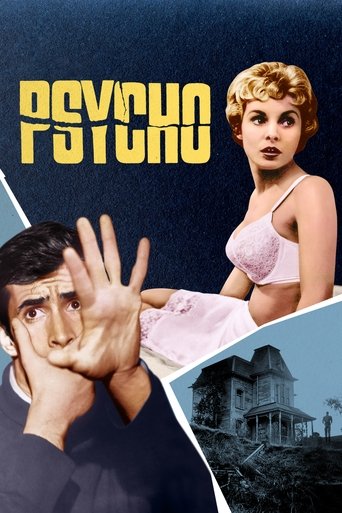
Psycho (1960)
Hitchcock's film established the splintered mind as a source of horror in popular cinema, and its reveal shaped decades of thrillers.

See what influenced it
Halloween (1978)
The foundational modern slasher. Compare its simple, relentless stalking with Identity's more intricate puzzle.
Compare another approach
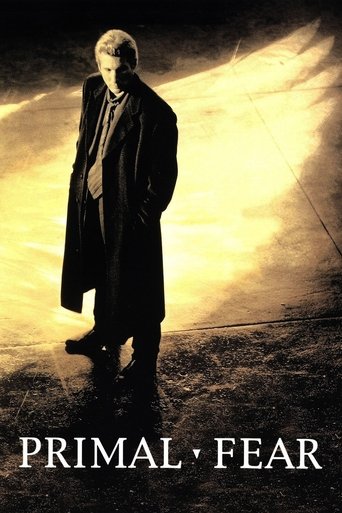
Primal Fear (1996)
A 1990s thriller with a star ensemble that also turns on questions of identity, guilt and what a person's face conceals.

Jump forward
Split (2017)
A later thriller that takes dissociative identity as its central premise, in a very different tone from Identity.