Drama · Fantasy
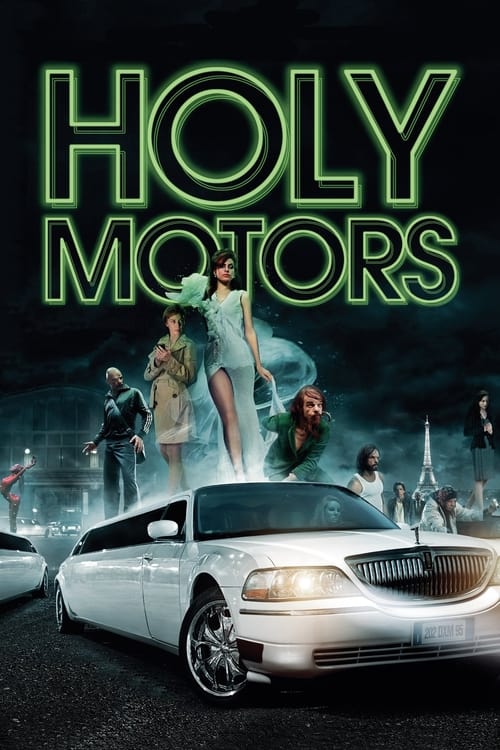
Holy Motors
French
2012 · Directed by Leos Carax · 116 min


Drama · Fantasy
French
2012 · Directed by Leos Carax · 116 min






Meaning, unpacked
Central idea
The film can be read as a meditation on performance and the cinema's fading future: a man who must keep acting for cameras no longer visible, and who questions why anyone still needs the show.
What it means
Holy Motors follows Mr. Oscar through one day in a limousine, crossing Paris from appointment to appointment. At each stop he becomes someone else: a beggar, a creature, a father. And nobody ever shows us who is watching. That missing audience is the heart of the film, a meditation on performance and on cinema's fading future. Here is a man who must keep acting for cameras that are no longer visible, and who starts to wonder why anyone still needs the show.
The film asks what is left of a person who is always performing. Oscar has no stable self on screen. Is any of his roles more real than the others? Does he have a private life at all? The film never settles it. Underneath the playfulness runs a tiredness: many of his appointments involve death, loss or goodbyes, as if acting were a way of rehearsing endings. It also lets tenderness and violent absurdity sit side by side, as two ways of paying attention to what is human. And it lets feeling arrive sideways, through memory and song, as when Oscar meets a former lover.
Why it mattered
Holy Motors arrived in 2012 as a bold reflection on what cinema is and what the move from film to digital costs. Hidden cameras, digital capture and the strange fate of the limousines can be read as a lament for the physical, celluloid age and for the people who sat in the dark to watch it. It is no accident that the film opens on a sleeper in a cinema. Yet it is playful, not academic, and it carries the French tradition of poetic, anarchic filmmaking (Cocteau, Franju, Godard) into the digital age.
Before anyone tells you what to think: what did you make of it?
Log in to rate it and leave commentsIt takes one click with Google or an email link. You come straight back here.
Rate it, keep your notes, and find the next film.
Free, no ads. Your journal, your lists, a Cine Guide that remembers you.
Create your free spaceIt also showed how freely a film can move. A day of appointments replaces plot, so Leos Carax can shift from sewer fairy tale to musical interlude to quiet heartbreak while one limousine journey holds everything together. It was made quickly and cheaply, with French and German backing, after Carax had struggled to finance projects since Pola X in 1999. At Cannes it divided and thrilled audiences. Many called it the festival's most inventive film, others found it opaque. It won no prize, but it got enormous attention.
The film helped revive a taste for bold, genre-fluid French art cinema and for films that openly reflect on performance. Its images travelled widely. Monsieur Merde, the feral, red-haired sewer creature, became its best-known figure and a shorthand for Denis Lavant's fearless physical acting. The stretch limo as a rolling dressing room, ending with limousines chatting among themselves, became a memorable picture of modern life as performance. Kylie Minogue's song in the abandoned department store brought the film to a wider pop audience. And it became a frequent reference point in writing and teaching about cinema's shift from film to digital.
Today it is regarded as one of the key films of the 2010s and as Carax's most accessible puzzle. Readings have settled around cinema, mortality and performance, yet its strangeness has not worn off. Carax followed it with the musical Annette in 2021, which keeps the same blend of song, spectacle and melancholy. If you want to go further, try Eyes Without a Face, then Carax's Tokyo! segment.
What happens
Oscar finishes his last appointment and goes home to a suburban house, where a family of chimpanzees greets him. That night, in the garage, the limousines talk among themselves about their disappearing future, with no one left inside to watch.
The last image
The limousines sit in the dark garage, talking to one another, with nobody inside.
Two readings
What it says
The ending leaves performance without an audience: the machines of the show outlast the man and wonder what comes next. Carax closes on tenderness and strangeness together, refusing to say what is real, which is the film's point about acting and identity.
Or follow an idea from this film

Follow the idea
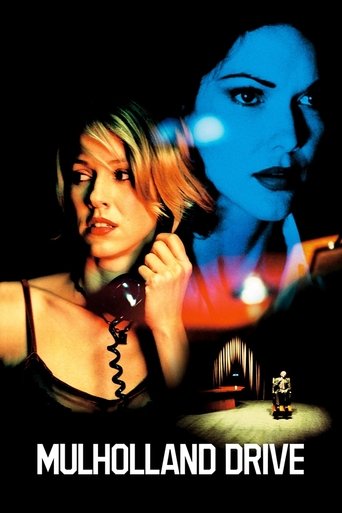
Mulholland Drive (2001)
David Lynch's dream-logic film about acting, Hollywood and shifting identities is the closest companion in mood and ambition.
Compare another approach
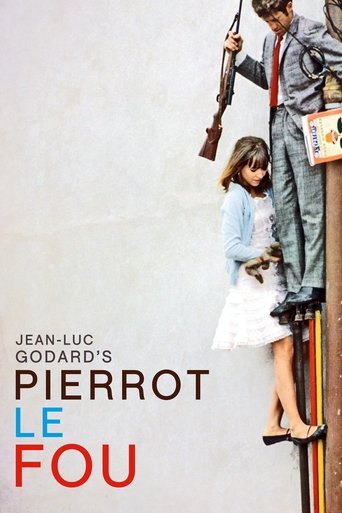
Pierrot le Fou (1965)
Godard's playful, genre-scrambling road film shows the French New Wave freedom that Carax inherits, with songs, quotation and sudden changes of tone.
See what influenced it
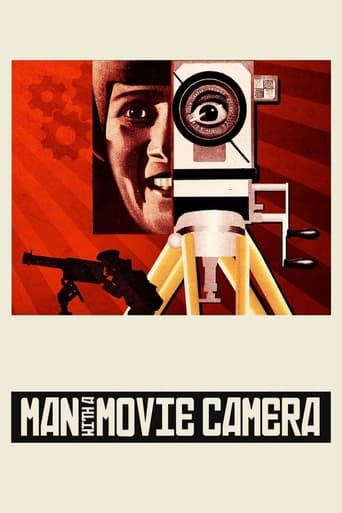
Man with a Movie Camera (1929)
Dziga Vertov's city film is an early celebration of the camera and the machinery of cinema, to which Holy Motors responds with elegy.
Explore the era or movement
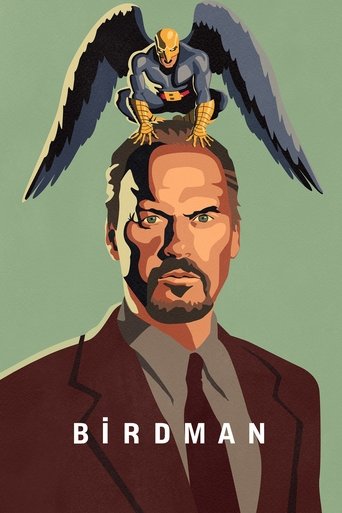
Birdman or (The Unexpected Virtue of Ignorance) (2014)
Another fantasy about a performer's identity and the fragile status of art, released two years later in a very different, more mainstream register.

Jump forward
Under the Skin (2013)
Jonathan Glazer's film also follows a being who moves through human life, with unexplained purpose, and invites similar open-ended reading.