Adventure · Fantasy
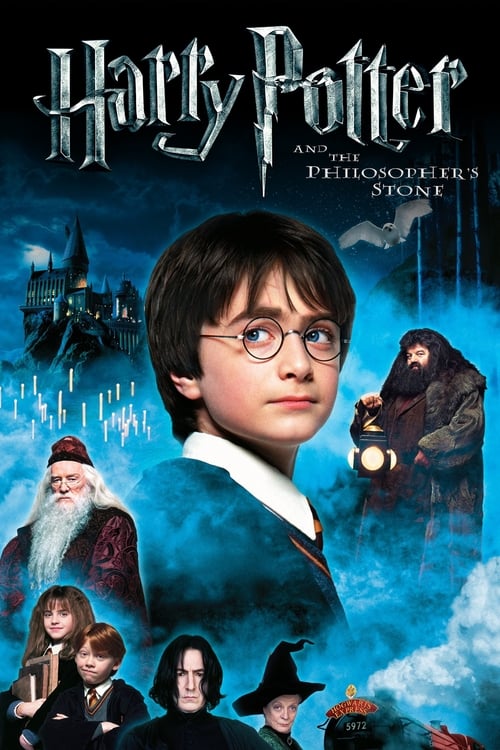
Harry Potter and the Philosopher's Stone
American
2001 · Directed by Chris Columbus · 152 min


Adventure · Fantasy
American
2001 · Directed by Chris Columbus · 152 min









Meaning, unpacked
Central idea
The film is about belonging. A boy with no sense of home discovers a community that claims him, and learns that identity is shaped as much by choices as by inheritance.
What it means
At heart, this is a film about belonging. Harry starts out in a cupboard, in a house that doesn't want him. He ends up in a school and a circle of friends who claim him. The film treats the family you choose as every bit as real as the family you're born into.
It also keeps returning to one idea. Harry is marked as special before he knows why, but what matters is what he decides to do, not what he was born to be. Underneath the adventure runs grief: he is mourning parents he can barely remember. That's why the quiet Mirror of Erised scene is the emotional centre. Loss takes a visible shape, and wanting something turns out to be both a comfort and a danger. Along the way, the film also says that courage, intelligence and loyalty are shared across three friends, not piled onto one hero, and that a child has to work out whom to trust.
Why it mattered
When it arrived, the film showed that a long, serialised children's fantasy could anchor a studio for a decade. It was the start of an eight-film series, and its casting and design became the template every later instalment inherited. It came out the same year as The Fellowship of the Ring, when big-budget fantasy was becoming a mainstream tentpole genre.
It also showed how to teach a fantasy world without lecturing. Hogwarts, Diagon Alley and the wizarding customs arrive through a newcomer's eyes. Stuart Craig's largely physical sets at Leavesden gave Hogwarts a tactile, Gothic, slightly crooked look that later films kept. And pairing unknown child leads with veteran British actors, such as Alan Rickman and Maggie Smith, set a pattern that was widely copied.
Before anyone tells you what to think: what did you make of it?
Log in to rate it and leave commentsIt takes one click with Google or an email link. You come straight back here.
Rate it, keep your notes, and find the next film.
Free, no ads. Your journal, your lists, a Cine Guide that remembers you.
Create your free spaceAudiences turned out in huge numbers and it opened to record business. Critics were more divided. Many praised the cast and the design, while others found it too reverent to the book, and somewhat stiff. It earned three Oscar nominations, for art direction, costume design and score, and won none. It encouraged a wave of young-adult book adaptations, and its habit of casting British stage actors in genre roles was widely imitated.
Its reach went well beyond cinema. "Muggle" entered dictionaries, spells like Expelliarmus and Lumos are recognised and joked about, and people describe themselves by Hogwarts house. The Wizarding World of Harry Potter opened at Universal Orlando in 2010, and the film's sets draw visitors to the Warner Bros. Studio Tour near London. Today it's often seen as the cosiest, most childlike entry in the series, loved as much for nostalgia as for craft. Its close fidelity to the book is read both as a limit and as the source of its charm.
What happens
Harry stops Quirrell, who carries Voldemort on the back of his head, from taking the Stone. His mother's love protects him. Snape, it turns out, was guarding Harry all along. Gryffindor wins the House Cup, and Harry goes back to the Dursleys.
The last image
Harry steps off the train at the end of term and heads back to the Dursleys, but now he has friends and a place to return to.
What it says
The ending answers the film's question about belonging. Harry's mother's love shields him, and he wins through friends and his own choices, not just his fame. He returns to the Dursleys, but he is no longer alone.
Or follow an idea from this film
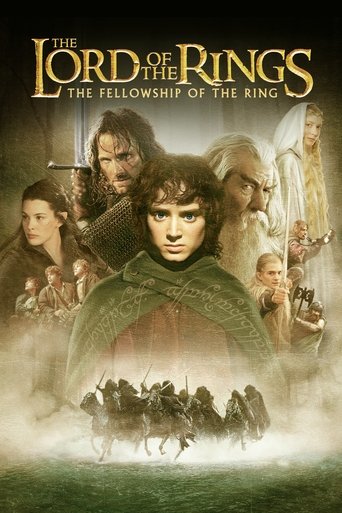

Explore the era or movement
The Lord of the Rings: The Fellowship of the Ring (2001)
Released in the same year, it shows a very different approach to fantasy: epic, darker and aimed at adults as well as families.
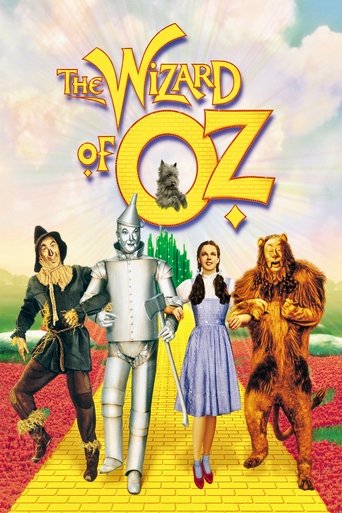
See what influenced it
The Wizard of Oz (1939)
The classic story of a child entering a magical land and forming a band of companions, with a similar sense of wonder.
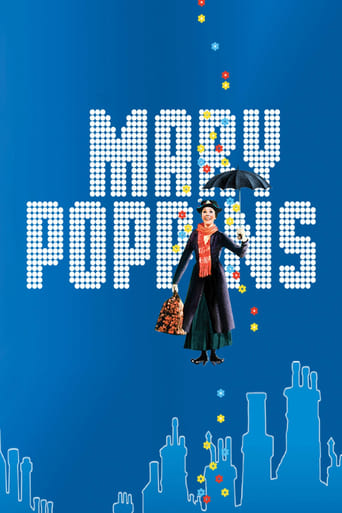
Compare another approach
Mary Poppins (1964)
Another British fantasy for families, using whimsy and visual invention in a very different, musical way.
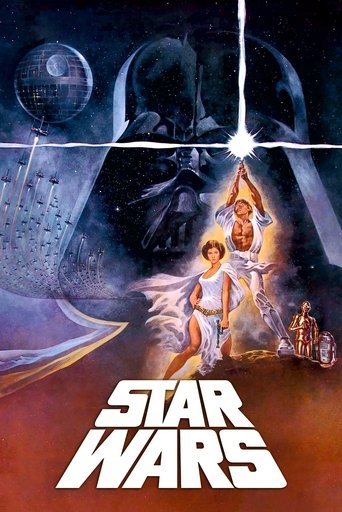
Follow the idea
Star Wars (1977)
Shows the older template of an orphaned youth, a wise mentor and a hidden destiny, told through science fiction rather than magic.
Jump forward
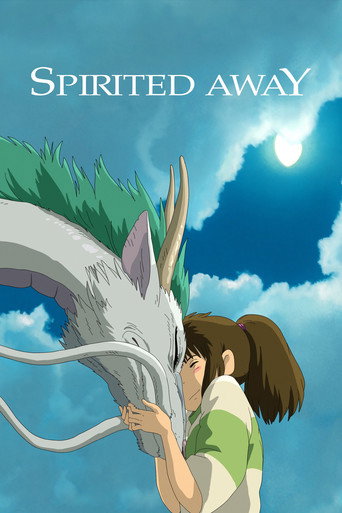
Spirited Away (2001)
Also released in 2001, it offers another young newcomer in a strange magical world, handled with a distinctly Japanese, hand-drawn imagination.