Action · Drama · History
Harakiri
Japanese (切腹)
1962 · Directed by Masaki Kobayashi · 135 min


Action · Drama · History
Japanese (切腹)
1962 · Directed by Masaki Kobayashi · 135 min





Meaning, unpacked
Central idea
The film examines how a system dresses cruelty and self-interest in the language of honour. It can be read as an argument that the samurai code was a facade protecting status, and that individual integrity looks different from institutional reputation.
What it means
Harakiri begins with a masterless samurai, Hanshirō Tsugumo, asking a powerful clan for a place to end his life. The clan tells its story first. Then Hanshirō tells his, and the room is never the same.
The central idea is sharp: a system can dress up cruelty and self-interest in the language of honour. The samurai code becomes a facade that protects status, and a man's integrity is a different thing from an institution's reputation. Poverty drives the story too, since ronin have no clan and no income, and beneath the cold political drama sits a quiet, personal grief. The film also asks who gets to write the record, because what happens inside the walls and what the clan notes down are two different things. The empty ceremonial armour in the Iyi house says it all: a polished shell with no one inside.
Why it mattered
The film arrived in the early 1960s as part of a revisionist turn in the samurai picture. It kept the genre's costumes and conventions but used them to question the code of honour that older swordplay films had celebrated.
The craft made that argument felt. Yoshio Miyajima's widescreen frames are symmetrical and hierarchical, so rows of retainers and rigid architecture show power without dialogue. A story told inside another story turns the film into an investigation in a single room. The violence is withheld, then compressed into short, brutal bursts that feel exhausting and costly, a deliberate rejection of swashbuckling glamour.
Before anyone tells you what to think: what did you make of it?
Log in to rate it and leave commentsIt takes one click with Google or an email link. You come straight back here.
Rate it, keep your notes, and find the next film.
Free, no ads. Your journal, your lists, a Cine Guide that remembers you.
Create your free spaceHarakiri was admired in Japan and abroad, and in 1963 it won the Special Jury Prize at Cannes and was nominated for the Palme d'Or. Critics noted its severe formal control and its break from romantic samurai heroics. Many viewers link it to Japan's postwar scepticism toward militarism and rigid hierarchy.
It helped define the samurai film in which honour is questioned, not celebrated. Kobayashi returned to its themes in Samurai Rebellion in 1967, and Takashi Miike remade it in 2011 as Hara-Kiri: Death of a Samurai. Its reputation has only grown. It is now widely seen as one of the great Japanese films of the 1960s, often placed beside Kurosawa's best, and it is regularly screened in film courses.
What happens
Hanshirō fights his way through the clan's men and is shot down by musket fire. The clan then records that he died of illness, so the house returns to its ceremonies with its reputation untouched.
The last image
The clan's polished ceremonial armour stands empty, the house carrying on as though nothing had happened.
What it says
The ending shows an institution winning without ever answering for itself. Hanshirō's defiance is erased from the record, which is the film's point: honour here is an image to protect, not a standard anyone keeps.
Or follow an idea from this film


Compare another approach
Seven Samurai (1954)
Kurosawa's masterless warriors are noble and heroic. Seeing it beside Harakiri shows how far the genre's moral picture could shift in eight years.
Follow the idea
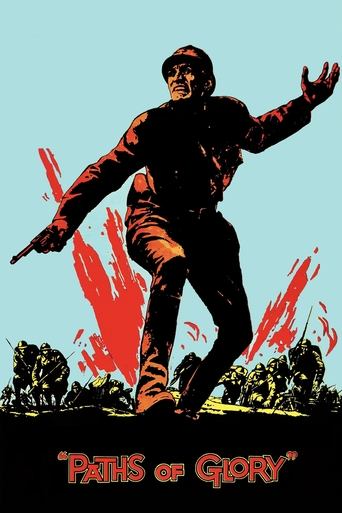
Paths of Glory (1957)
Another film about an institution that sacrifices individuals to protect its image, built on formal control and a courtroom-like structure.
Explore the era or movement
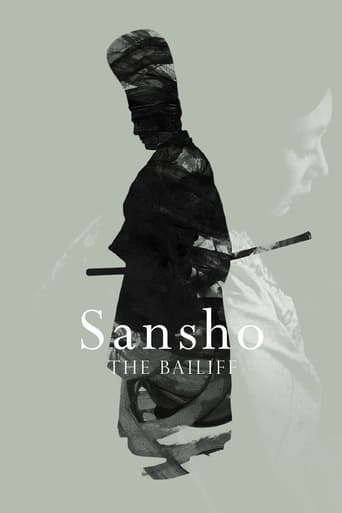
Sansho the Bailiff (1954)
Mizoguchi's feudal tragedy likewise exposes the cruelty of hierarchy, with a gentler touch but similar moral force.
Jump forward
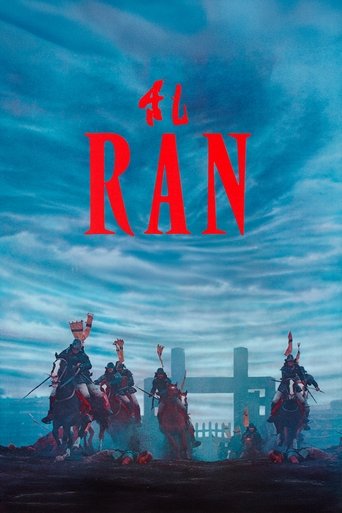
Ran (1985)
Kurosawa's late samurai epic is a bleak view of power and family, and shows how the genre matured into tragedy.
Continue the director
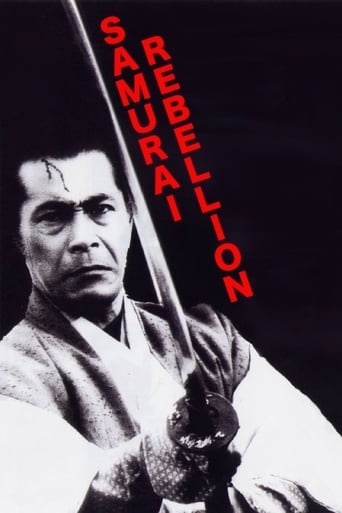
Samurai Rebellion (1967)
Kobayashi's follow-up on loyalty and clan authority, again built around Japan's feudal order and a stern, principled protagonist.