Drama · Romance
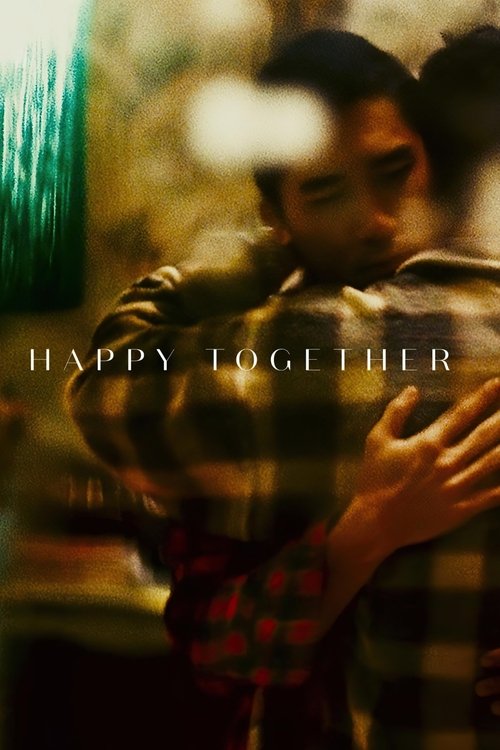
Happy Together
Hong Kong (春光乍洩)
1997 · Directed by Wong Kar-Wai · 96 min


Drama · Romance
Hong Kong (春光乍洩)
1997 · Directed by Wong Kar-Wai · 96 min
Meaning, unpacked
Central idea
The film can be read as a study of love as a habit that is hard to break. Two people keep returning to what hurts them, and distance from home makes their dependence, and their loneliness, harder to hide.
What it means
Happy Together is a film about a habit. Two men from Hong Kong, Fai and Ho, travel to Argentina, break up, drift back together, and break up again. In the end, Fai finds his way home. That is all the plot you need, because the film is really about what love does when it turns into routine: these two keep returning to the thing that hurts them, and being so far from home makes their dependence and loneliness harder to hide.
The structure carries the idea. The story moves in loops, and every reconciliation settles nothing; it just starts another round. One man wants to be free, the other wants to be needed, and when Fai nurses the injured Ho, tenderness and possession are the same gesture. Iguazu Falls is the release, a vast, almost overwhelming image that sets private pain against a nature that dwarfs it. The closing cover of the title song carries an ironic twist, and that may be the point. Sometimes the hardest thing about a love is learning that you can leave it, and still carry it with you.
Why it mattered
Happy Together premiered in competition at Cannes in May 1997, where Wong Kar-wai won Best Director, and it was nominated for the Palme d'Or. It reached the screen weeks before Hong Kong's handover to China in July, so the characters' rootlessness, on the far side of the world from home, picked up political weight. It is often read as a story of displacement and uncertain belonging, though that is a reading, not a message the film announces.
Before anyone tells you what to think: what did you make of it?
Log in to rate it and leave commentsIt takes one click with Google or an email link. You come straight back here.
Rate it, keep your notes, and find the next film.
Free, no ads. Your journal, your lists, a Cine Guide that remembers you.
Create your free spaceIt also showed what style can do. Wong worked from a loose, evolving script, so events arrive as fragments and moods, and the story drifts just as the characters do. Christopher Doyle's handheld cameras, blurred motion and tilting views keep the city unstable, while the switches between black and white and colour act as emotional markers, not strict rules. And it treated a gay couple's turbulent relationship with the seriousness of any great screen romance, without making coming out, or tragedy, its subject.
Its blend of saturated colour, handheld intimacy and music-led storytelling helped define a look for romantic art cinema in the 1990s and 2000s. Filmmakers who tell intimate queer and diasporic stories, Barry Jenkins among them, have cited Wong's influence. The aerial shot of Iguazu Falls and the tango-driven Buenos Aires scenes became shorthand for yearning and exile.
Today it is often counted among Wong's finest films, though in public memory it sits in the shadow of In the Mood for Love. It is widely seen as a landmark of Chinese-language queer cinema, and Leslie Cheung is remembered by many as an LGBTQ+ icon. It is taught and discussed as a film about Hong Kong's identity before 1997, and its reputation has grown steadily. Some viewers still find its drift and repetition frustrating, which is fair, because the film is built from that very repetition.
What happens
Ho leaves for good, and Fai finally reaches Iguazu Falls alone. The vast water gives him some release. He then goes home by way of Taipei, where he visits Chang's family stall. The relationship is over, but now understood.
The last image
Fai moves on alone, the falls and the long road home behind him, carrying the love with him rather than still living inside it.
What it says
The film is built from loops, so the ending breaks the pattern: Fai's journey is emotional as much as geographic. The falls dwarf his private pain, and leaving becomes possible. Sometimes the hardest part of a love is learning you can leave it and still carry it.
Or follow an idea from this film


Continue the director
In the Mood for Love (2000)
Wong's most celebrated film, with Tony Leung again. It turns the same themes of longing and missed connection into a more restrained, formally polished romance.
Explore the era or movement
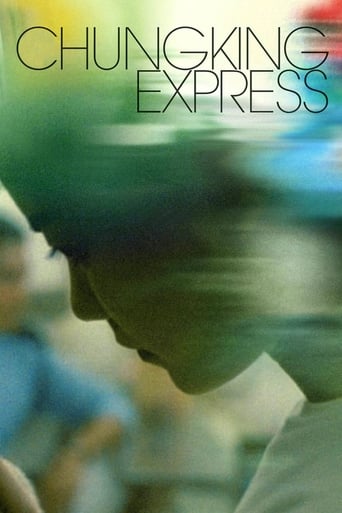
Chungking Express (1994)
The Wong film just before this one is lighter and more playful. It shows how his loose, music-driven style first found its audience.
See what influenced it
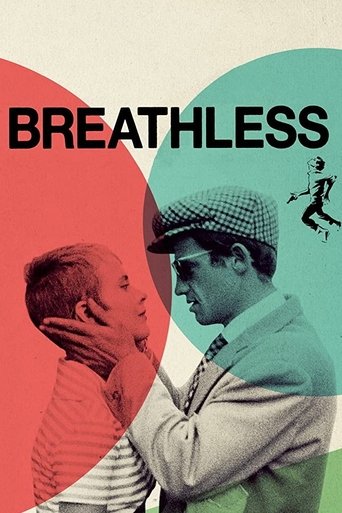
Breathless (1960)
Godard's handheld, improvisatory approach to love and restlessness is part of the family tree behind Wong's filmmaking.
Compare another approach
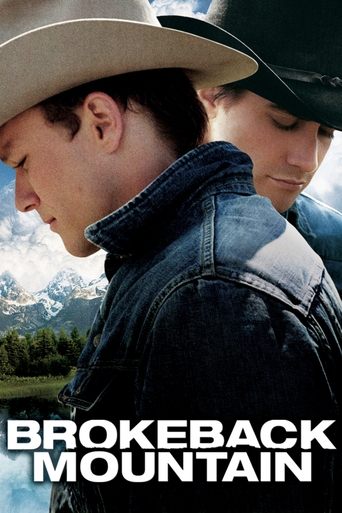
Brokeback Mountain (2005)
A very different, more classical Hollywood treatment of a long, painful male relationship. Comparing the two shows how style shapes the same kind of story.
See its influence
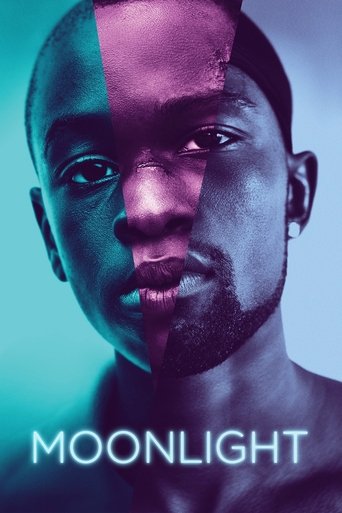
Moonlight (2016)
A later film of intimate, colour-rich and tender storytelling about male desire, in which Wong's influence can be felt.