Horror · Thriller
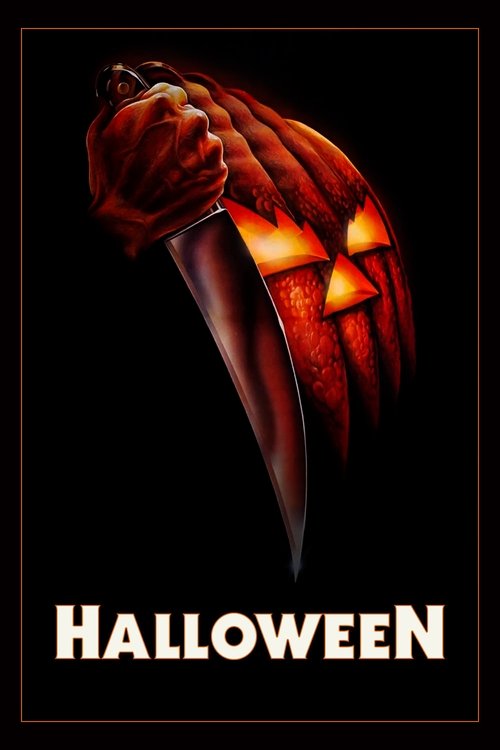
Halloween
American
1978 · Directed by John Carpenter · 91 min


Horror · Thriller
American
1978 · Directed by John Carpenter · 91 min







Meaning, unpacked
Central idea
The film can be read as a study of looking and being looked at: evil appears as a pure, expressionless presence in a safe suburb, and the film asks whether the ordinary places we trust can ever really protect us.
What it means
Halloween is a film about looking, and about being looked at. Its evil is a blank, expressionless presence set down in a safe suburb, and the question it leaves you with is unsettling: can the ordinary places we trust ever really protect us?
It asks that in its first minutes. A long, unbroken shot puts you behind the eyes of a stalker, and then the watcher turns out to be a six-year-old boy who has just killed his sister. You were made complicit before you understood. Fifteen years later Michael Myers returns to Haddonfield, and the film explains almost nothing. He has hardly any motive; he is a force, not a character. Tidy streets and sleepy rituals look secure, but nobody is looking for danger, and that is what makes them vulnerable.
Why it mattered
In the late 1970s, American independent horror was booming, and Halloween turned the stalker film into a lasting, commercially powerful genre. It was made on a very small budget and shot in about three weeks, and its limits shaped its style: simple locations, few effects and heavy reliance on suggestion. It showed how much fear can come from what sits at the edge of the shot.
The craft was the novelty. Carpenter and cinematographer Dean Cundey used the wide Panavision frame so that empty space became threatening, with figures appearing and vanishing at the margins. Smooth moving shots tied you to the stalker's gaze. And Carpenter composed the score himself, in a few days. Its piano theme, in an unusual rhythm, works as both theme and warning. Halloween did not invent the slasher film; Psycho, Peeping Tom and Black Christmas came first. It codified and popularised the form.
Before anyone tells you what to think: what did you make of it?
Log in to rate it and leave commentsIt takes one click with Google or an email link. You come straight back here.
Rate it, keep your notes, and find the next film.
Free, no ads. Your journal, your lists, a Cine Guide that remembers you.
Create your free spaceIt spawned a long franchise and a wave of 1980s slashers, including Friday the 13th and A Nightmare on Elm Street, and its self-aware rules later shaped Scream. Carpenter's minimal, synth-led scoring influenced later horror music. Michael Myers's blank white mask became standard Halloween costume and shorthand for a stalking killer, and the theme tune is quoted in parodies and sampled in music. Laurie Strode helped establish the "final girl" idea that critics later discussed, and Jamie Lee Curtis became known as a "scream queen".
Reviews on release were mixed to positive, but audiences responded strongly, and it became one of the most profitable independent films of its time. Its reputation has grown steadily. Early debates about violence toward women have given way to wider appreciation of its technique. Today it is treated as a model of tight, visual suspense and a landmark of American horror, and it is still taught in film courses, especially its opening long take.
What happens
Laurie survives, and Loomis shoots Michael, who falls from a balcony. But when Loomis looks over the edge, the body is gone. Michael was never truly stopped, and he is still somewhere in Haddonfield.
The last image
Over shots of the empty places Michael has been, we hear his breathing.
What it says
Michael is treated as a force, not a man, so he can't be neatly defeated. The film refuses relief on purpose: it wants the quiet streets to stay unsafe, and the sound of breathing to follow you out.
Or follow an idea from this film
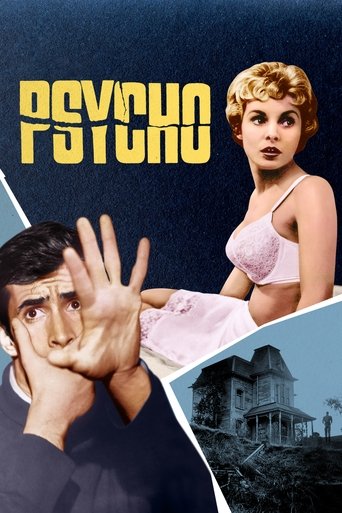

See what influenced it
Psycho (1960)
The clearest ancestor: compare Hitchcock's use of music, point of view and the shock of violence in an everyday setting.
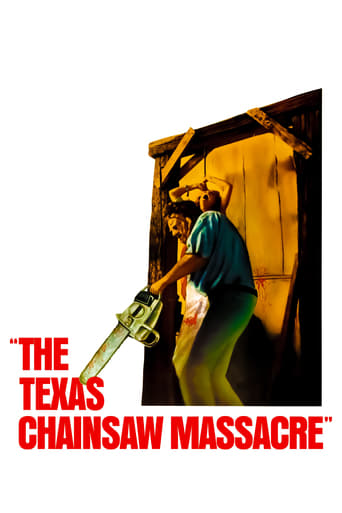
Explore the era or movement
The Texas Chain Saw Massacre (1974)
Another independent 1970s horror landmark, rawer and more brutal, showing the era's range of approaches to modern fear.
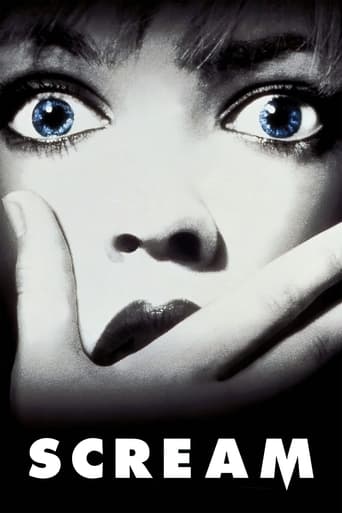
See its influence
Scream (1996)
A knowing return to the form that Halloween helped define, showing how the genre turned its own rules into material.
Continue the director
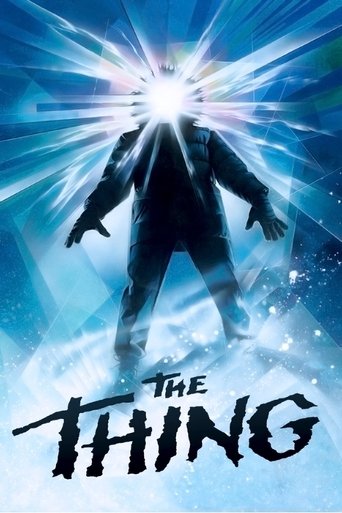
The Thing (1982)
Carpenter's later horror work swaps suburban stalking for paranoia and physical effects, but keeps his precise widescreen control.
Compare another approach
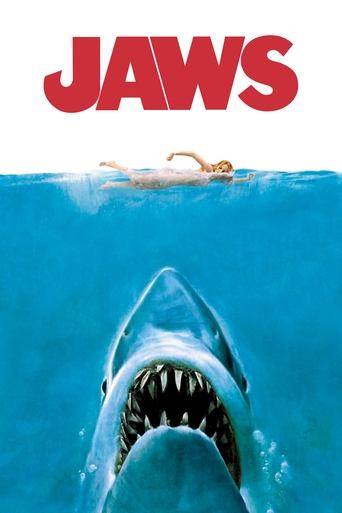
Jaws (1975)
Another film where a patient, unseen threat and a famous musical motif generate suspense, using restraint rather than spectacle.