Drama · History · War
Grand Illusion
French (La Grande Illusion)
1937 · Directed by Jean Renoir · 114 min


Drama · History · War
French (La Grande Illusion)
1937 · Directed by Jean Renoir · 114 min

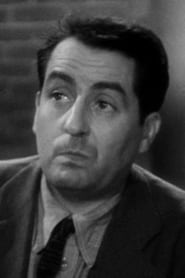

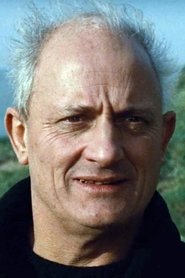

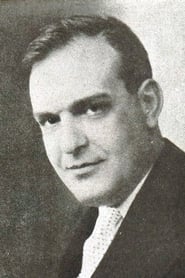


Meaning, unpacked
Central idea
The film proposes that the real divisions in Europe run along class lines, not national ones, and that these old codes of rank and honour are fading, whatever war may do. It can be read as both an elegy for an aristocratic order and a plea for human solidarity.
What it means
On the surface, this is a prison-camp story. Two French officers are captured, moved from camp to camp, and end up in a fortress run by a German aristocrat, where two of them make a last escape across the snow. But that is only the frame. What Renoir builds around it was bold in 1937: the real dividing lines in Europe run along class, not national borders.
Look at who bonds with whom. The French aristocrat Boeldieu and the German commandant Rauffenstein recognise each other at once, sharing manners, taste and a code of honour, while the working-class and middle-class prisoners form their own fellowship. That makes the film an elegy as much as an argument. Boeldieu's sacrifice tests his friendship with Rauffenstein, and afterwards we see Rauffenstein with his chapel, his geraniums, and his body locked in a neck brace, a symbol of a rigid order passing away. Yet solidarity is never easy: language, religion and class still divide people, as Rosenthal's mix of friendship and careless prejudice shows. The title points to a hope that war can be justified, or that borders matter more than people. Renoir lets you feel how thin that hope is.
Why it mattered
In 1937, a war film that refused to caricature Germans was a political choice. This one argues against war without showing a battle. Renoir drew on his own experience, having served in the French cavalry and then as a reconnaissance pilot in the First World War, and on stories from his comrade Armand Pinsard, a pilot who escaped German camps several times.
Before anyone tells you what to think: what did you make of it?
Log in to rate it and leave commentsIt takes one click with Google or an email link. You come straight back here.
Rate it, keep your notes, and find the next film.
Free, no ads. Your journal, your lists, a Cine Guide that remembers you.
Create your free spaceIt also changed how a film could move. Renoir favours long takes and deep focus, with the camera panning and tracking to follow groups, so people share the space and social distance registers without editing to point it out. Characters slip between languages, undubbed and unsimplified, so misunderstanding and comprehension become dramatic tools. The structure is loose and episodic, travelling through different social worlds rather than driving one tight plot. The film was a major success in France, won an award at Venice for best artistic ensemble, and earned a Best Picture nomination, a first for a foreign-language film.
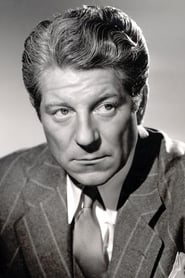
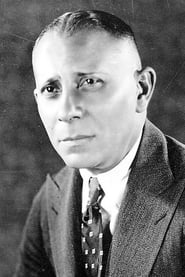
Its influence runs through later prison-camp and escape films, including The Great Escape, Stalag 17 and Paths of Glory, and its humane view of enemies shaped war films in Europe and America. Gabin's Maréchal reinforced his image as French cinema's working-class hero, and von Stroheim's stiff, monocled Rauffenstein became a lasting picture of the doomed aristocratic officer.
Today it stands as one of Renoir's finest achievements, alongside The Rules of the Game, and a model of humanist cinema. Where its warmth was once the focus, later viewers pay closer attention to its class analysis and to its ambivalent treatment of Rosenthal. Its survival was a near thing: the original negatives were seized after the 1940 German invasion and long believed lost, until material turned up in archives and restoration became a famous example of film heritage recovery.
What happens
Boeldieu dies in the sacrifice that frees his comrades, and Rauffenstein cuts his last geranium. Maréchal and Rosenthal struggle through the snow, find shelter and love with Elsa, then slip into Switzerland as the German patrol holds its fire.
The last image
Two small figures wade through deep snow toward the Swiss border while the German soldiers lower their rifles and let them go.
What it says
Class loyalty ends in a lonely death, while the survivors cross a border that matters less than the kindness they found with Elsa. Renoir ends on a quiet gesture of mercy, not a victory, to show how thin the old divisions are.
Or follow an idea from this film

Continue the director
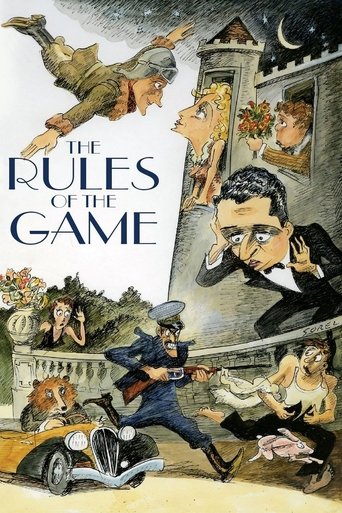
The Rules of the Game (1939)
Renoir's next great film turns the same class-focused eye on a country house party. It is a sharper, more satirical portrait of a society sliding toward catastrophe.
See what influenced it
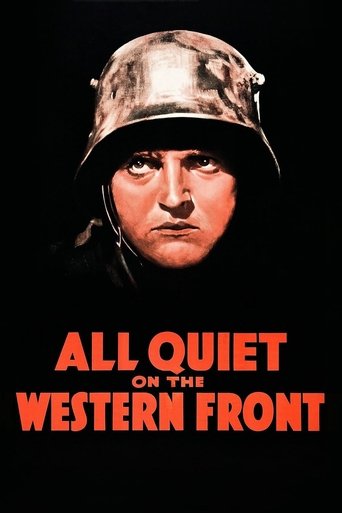
All Quiet on the Western Front (1930)
An earlier sound-era First World War film that shows soldiers on both sides as victims, useful for comparing a battle-focused story with Renoir's quieter one.
Compare another approach
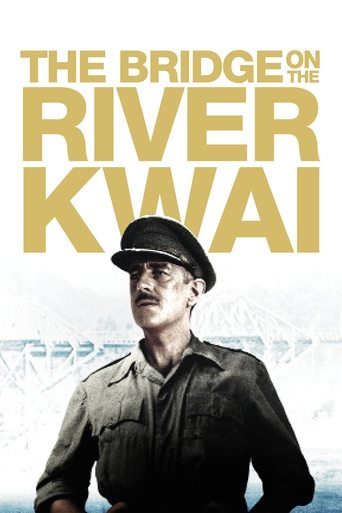
The Bridge on the River Kwai (1957)
Another prison-camp drama in which captor and prisoner are bound by rank and pride. Compare how Lean treats honour with Renoir's tone.
Follow the idea
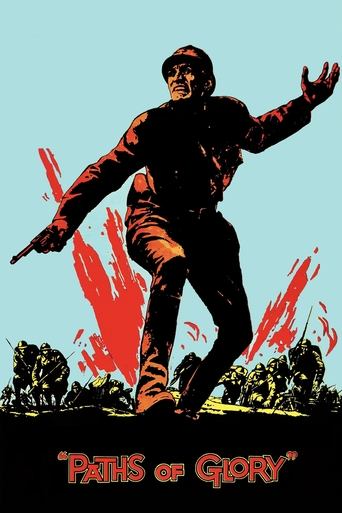
Paths of Glory (1957)
Kubrick's First World War film sets the same question of class and command in a more bitter, accusatory register.
Explore the era or movement
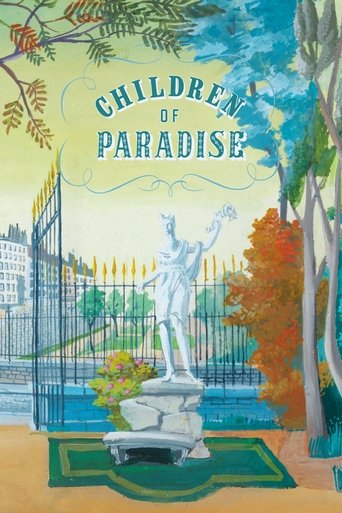
Children of Paradise (1945)
Another landmark of French cinema, made during the Occupation, with Poetic Realist roots and a similar interest in performance and social class.


