Mystery · Thriller · Drama
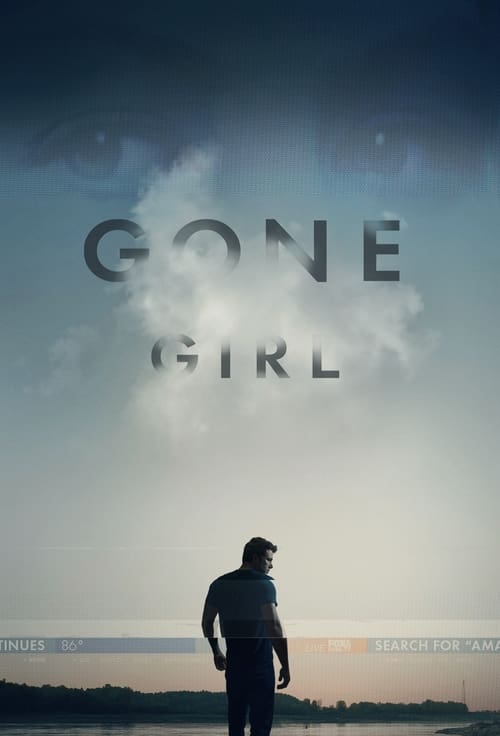
Gone Girl
American
2014 · Directed by David Fincher · 149 min


Mystery · Thriller · Drama
American
2014 · Directed by David Fincher · 149 min










Meaning, unpacked
Central idea
The film can be read as an inquiry into performance in marriage and public life. People construct versions of themselves for partners, parents and cameras, and the story asks what survives when every version is judged by an audience.
What it means
Gone Girl borrows the shape of a missing-person case, but it isn't really about who killed Amy. It is about performance. People build versions of themselves for partners, for parents and for cameras, and the film asks what is left when an audience judges every one of them. Courtship, anniversaries and reconciliations all look like roles people choose to play, and you start to wonder how much of any relationship is acting.
It is also about who controls a story. At the press conference, one misjudged smile turns a grieving husband into a media villain, because cable news rewards the better story, not the truth. Amy's narrated reveal then recasts everything before it: the diaries, interviews and appearances were all competing versions of events, and now you see who has been writing them. Underneath sit ordinary pressures, like job losses, a failing town and a mother's illness, which harden into resentment. The ending turns the thriller into dark comedy, a marriage held together by performance, and leaves you unsettled rather than relieved.
Why it mattered
Gone Girl took a classic studio genre, the mystery-thriller, and reworked it with digital precision and a sharp eye on media culture. Fincher stages scenes with obsessive precision, often through more than a dozen takes, until the acting stops looking like acting. That suits a story about people performing. Jeff Cronenweth shot on high-resolution RED digital cameras, and the amber and grey interiors give suburban Missouri a calm surface with something dark beneath it.
Before anyone tells you what to think: what did you make of it?
Log in to rate it and leave commentsIt takes one click with Google or an email link. You come straight back here.
Rate it, keep your notes, and find the next film.
Free, no ads. Your journal, your lists, a Cine Guide that remembers you.
Create your free spaceThe writing mattered too. Gillian Flynn adapted her own novel and wrote the screenplay herself, including the changes to the final stretch. Her structure moves between the investigation and the past, withholding and redistributing information so your sympathy keeps shifting. The score by Trent Reznor and Atticus Ross mixes ambient calm with pulsing unease, often telling you to be uneasy before the characters are. Critics largely praised the result as sleek, intelligent and darkly funny.
The film was a major commercial success, grossing well over three hundred million dollars worldwide. Rosamund Pike, not yet a major lead in American films, received an Oscar nomination for Best Actress, though the film won nothing. The role changed her career. Its influence has been wide: it helped fuel a wave of glossy domestic thrillers, in film and television, built on unreliable narration and marital suspicion. "Cool Girl" became a popular phrase, and "Gone Girl" is now a stock reference when a real case looks shaped by public performance and media attention.
It has also been misread. Some commentators used Amy as a cautionary figure in arguments about false accusations. Critics say that overreads a deliberately extreme character, and Flynn has rejected the idea that Amy represents women. Today it is widely regarded as one of Fincher's best and a key thriller of the 2010s. Its reputation has grown through debate about its gender politics, its media satire and its uncomfortable ending, which feels cynical and truthful at once.
What happens
Amy returns covered in blood after killing Desi, and everyone believes she was his victim. Nick knows the truth but can't prove it. When she announces she's pregnant, he stays, and the two perform a happy marriage for the cameras.
The last image
Nick and Amy stand together as a smiling, devoted couple, the staged marriage restored, while Margo watches in horror.
What it says
Amy wins by controlling the story, and Nick is trapped by his public image and the child. The ending turns the thriller into dark comedy about a marriage held together by performance, leaving you unsettled rather than relieved.
Or follow an idea from this film

Continue the director
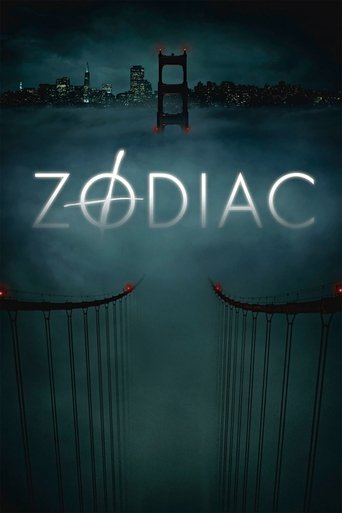
Zodiac (2007)
Fincher's most exacting procedural shows the patient, obsessive method that underlies Gone Girl, applied to a real unsolved case.
See what influenced it
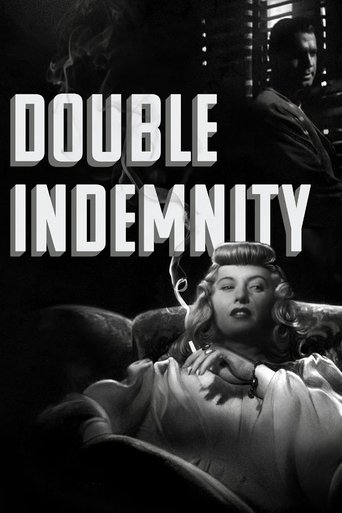
Double Indemnity (1944)
The classic noir of seductive deceit and calculation, a clear ancestor of Gone Girl's cold intimacy and moral cynicism.
Compare another approach
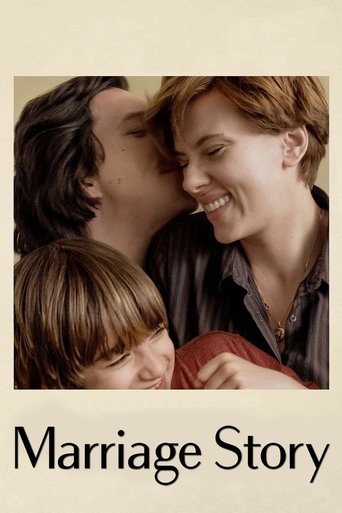
Marriage Story (2019)
Another study of a marriage as performance and legal battle, treated with sympathy rather than satire.
Follow the idea
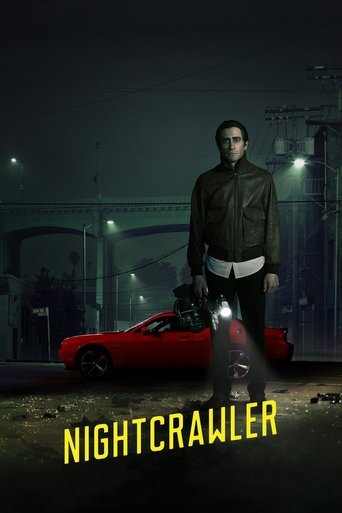
Nightcrawler (2014)
Released the same year, it also explores how media hunger for sensational stories distorts truth and rewards manipulation.
Explore the era or movement
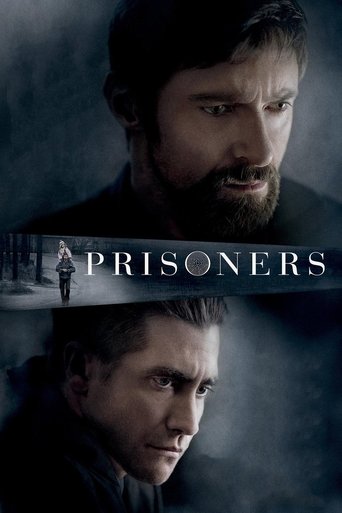
Prisoners (2013)
A near-contemporary studio thriller of dark atmosphere and moral ambiguity, useful for seeing the 2010s style alongside Fincher's.