Romance · Comedy · Drama
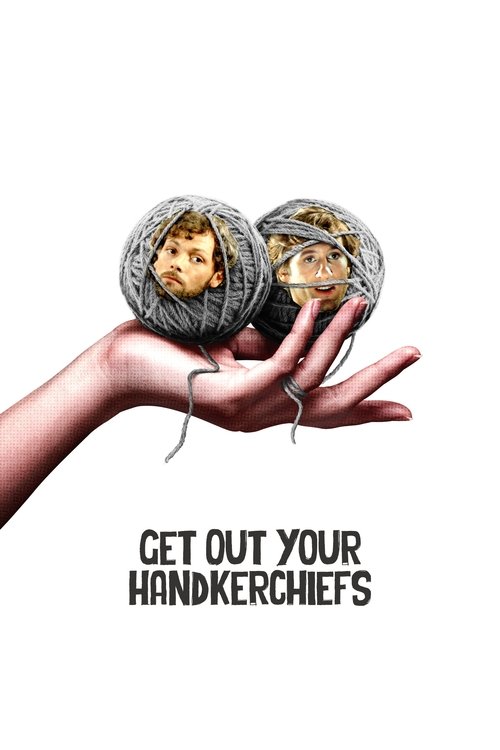
Get Out Your Handkerchiefs
French (Préparez vos mouchoirs)
1978 · Directed by Bertrand Blier · 108 min


Romance · Comedy · Drama
French (Préparez vos mouchoirs)
1978 · Directed by Bertrand Blier · 108 min










Meaning, unpacked
Central idea
The film can be read as a satire of men who think they know what a woman needs. Raoul and Stéphane compete to solve Solange's unhappiness, yet rarely ask her, and the comedy exposes how little her inner life matters to their plans.
What it means
Raoul's wife Solange is deeply unhappy, and he decides to fix it by arrangement. He offers her to a stranger, and then to Stéphane, and the two men end up closer to each other than either is to her. The film can be read as a satire of men who think they know what a woman needs. They compete to solve her unhappiness, yet they rarely ask her.
Look at what sits underneath. Raoul's generosity is also control: he gives his wife away without ever quite letting go. Her listlessness can be read as a response to a life organised around other people's ideas of happiness, and the men fill her stillness with their own meanings. You may find yourself doing the same. The real romance is between Raoul and Stéphane, whose bond becomes warmer and more honest than anything either shares with her. The unsettling part is how reasonable everyone sounds. They simply go on deciding.
Why it mattered
Bertrand Blier wrote and directed this, and the ideas live in the words, not the camera. His dialogue is formal, rhythmic and deliberately unnatural, as if the characters were reading from a politely absurd script. The structure is episodic and fable-like, drifting from one remedy to the next, and it keeps undercutting what you expect from a romance or a sex comedy. Blier tests how far an audience will follow shocking behaviour delivered with polite calm.
It followed Blier's Les Valseuses, which made Gérard Depardieu and Patrick Dewaere stars and scandalised audiences in 1974. This film reunites them but swaps road-movie anarchy for a more controlled, theatrical tone. Georges Delerue's warm, tender music works ironically against the sharp material, and the title echoes the French idiom for a tearjerker while the film stays deadpan.
Before anyone tells you what to think: what did you make of it?
Log in to rate it and leave commentsIt takes one click with Google or an email link. You come straight back here.
Rate it, keep your notes, and find the next film.
Free, no ads. Your journal, your lists, a Cine Guide that remembers you.
Create your free spaceThe film was a success in France and abroad, and it won the Academy Award for Best Foreign Language Film for 1978. For something this brazen, that was striking. Many critics admired its wit and daring; others found it offensive, particularly in its treatment of women. That argument became part of its notoriety.
It helped define Blier's mannered, transgressive comedy, which he continued in Buffet froid and Tenue de soirée, and it influenced later French comedies that mix absurd dialogue with sexual and social provocation. Today it is a cult favourite and a signature Blier film. But its sexual politics, and its handling of the boy, draw sharper criticism now, so it is often seen as a provocation that is both admired and uneasily revisited.
What happens
Solange, brought to life only by a thirteen-year-old boy at the holiday camp, becomes pregnant. Raoul and Stéphane, still close to each other, adjust and stay near her. The film never settles who they are to her, or to one another.
The last image
Raoul and Stéphane remain close beside Solange, reorganised around her pregnancy, with their roles left undefined.
Two readings
What it says
The film ends without a verdict because judging was never its game. Its attention stays on how calmly the men absorb even this, still arranging themselves around Solange, and the unease you feel is the point.
Or follow an idea from this film


Continue the director
Les Valseuses (1974)
Blier's breakthrough pairs Depardieu and Dewaere in a rowdier, more anarchic comedy, and shows where this film's tone came from.
Compare another approach
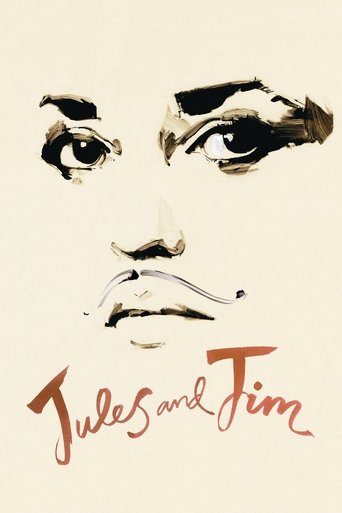
Jules and Jim (1962)
Another French film about two male friends and one woman, but romantic and tragic where Blier is deadpan and satirical.
Explore the era or movement
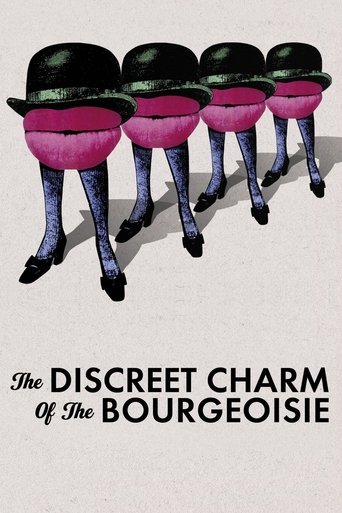
The Discreet Charm of the Bourgeoisie (1972)
Buñuel's polite, absurd satire of French social conventions is close in spirit to Blier's use of calm dialogue in outrageous situations.
Follow the idea
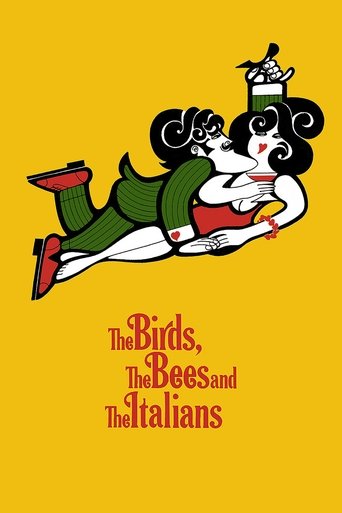
The Birds, the Bees and the Italians (1966)
An earlier European comedy that uses sexual hypocrisy and marriage as targets for satire.

Follow the idea
Talk to Her (2002)
Another film about men and their relationship to a silent woman, raising similar questions about consent and projection with a more tender tone.