Science Fiction · Adventure
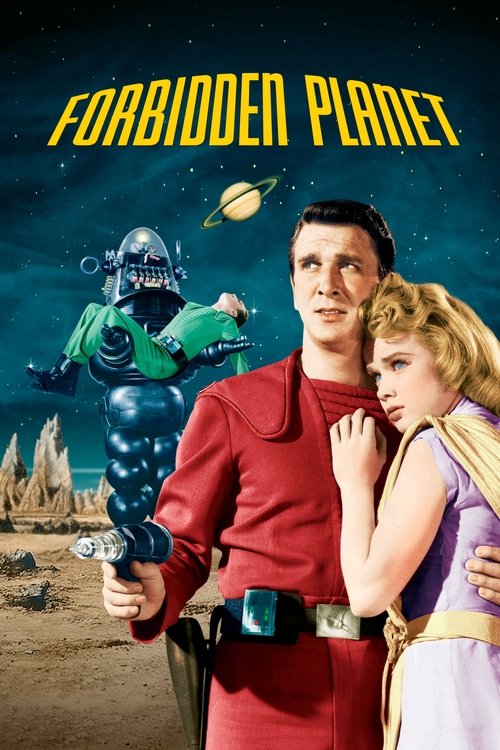
Forbidden Planet
American
1956 · Directed by Fred M. Wilcox · 98 min


Science Fiction · Adventure
American
1956 · Directed by Fred M. Wilcox · 98 min









Meaning, unpacked
Central idea
The film can be read as a warning that the greatest danger in an age of limitless technology is not the unknown outside but what the human mind carries within. Power that magnifies thought also magnifies everything a person would prefer not to admit.
What it means
On the surface, a cruiser lands on a planet where Doctor Morbius and his daughter Altaira live among the remains of the Krell, and an invisible beast starts killing the crew. In the end you learn it comes from Morbius's own mind, amplified by Krell machinery. That twist is the heart of the film.
It says the danger in an age of limitless technology is not the unknown out there but what the human mind carries within. A machine that magnifies thought also magnifies everything a person would rather not admit. The film borrows Freud's idea of the Id to make this literal: the monster is not an invader but what a civilised mind suppresses, given a body. The Krell are the warning, undone by their own technology, and Morbius is caught in the same trap. His hunger to know more than anyone before him is treated as both heroic and dangerous, and his protective love for Altaira shades into possession.
Why it mattered
In 1956 this was a major studio treating science fiction as a serious, expensive picture. The sets, the colour, the widescreen frame and the effects showed what the genre could look like before it was routinely dismissed as B-movie material. CinemaScope set small human figures against enormous Krell machinery, showing how little the crew could control.
It also tried new things. Louis and Bebe Barron built circuits that behaved unpredictably, then recorded and edited the results, making one of the earliest major-studio scores made entirely of electronic sound. The musicians' union objected to calling it music, so the credit read "electronic tonalities". Animator Joshua Meador, trained at Disney, gave the invisible monster a glowing outline, a smart, low-cost way to show a creature that cannot properly be seen.
Before anyone tells you what to think: what did you make of it?
Log in to rate it and leave commentsIt takes one click with Google or an email link. You come straight back here.
Rate it, keep your notes, and find the next film.
Free, no ads. Your journal, your lists, a Cine Guide that remembers you.
Create your free spaceThe film's crew, ship and mission structure fed directly into Star Trek and later space operas. "Monsters from the Id" became shorthand for self-created menaces. Robby the Robot, an expensive costume built at MGM, became one of the first robot stars, turning up in The Invisible Boy, The Twilight Zone and Gremlins. The Barrons' work opened the way for electronic film scoring. The film earned one Oscar nomination, for special effects.
On release, audiences liked the visuals and the film made a profit, though it was not a major hit. Critics admired the production values but were unsure about the dialogue and a genre many saw as juvenile. Its reputation has grown as science fiction has been taken seriously. Some dialogue and gender attitudes now look dated, yet the design, the score and the psychological ambition stand out.
What happens
Morbius realises the invisible killer is his own subconscious, given form by the Krell machine. He confronts it, orders the machinery destroyed, and dies. Adams sets the reactor to blow, and the crew and Altaira leave.
The last image
The crew's ship watches the planet explode far below, ending Morbius's world and the Krell's silent machinery with it.
What it says
The monster was never an invader. It was a mind's hidden self, magnified by technology. Morbius saves everyone only by admitting it is his. Destroying the machinery shows that power without moral maturity must be given up, not controlled.
Or follow an idea from this film

Explore the era or movement
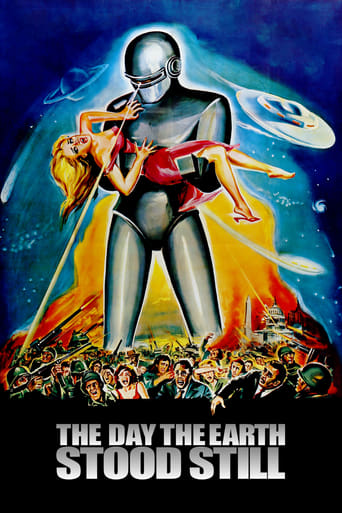
The Day the Earth Stood Still (1951)
Another thoughtful 1950s science-fiction film, where a visitor and his robot bring a warning to Earth. It shows the Cold War mood the genre absorbed.
See its influence
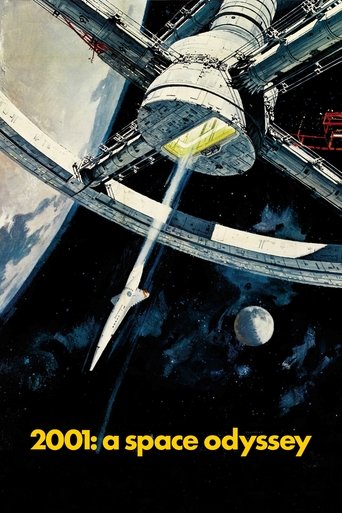
2001: A Space Odyssey (1968)
Kubrick's film turns science fiction into a visual and philosophical experience, and shows how far the genre's ambition could extend.
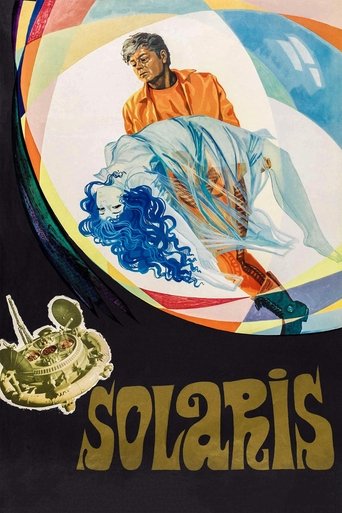
Follow the idea
Solaris (1972)
Another alien planet where the mind's hidden contents take physical form, treated with Tarkovsky's slower, more contemplative approach.
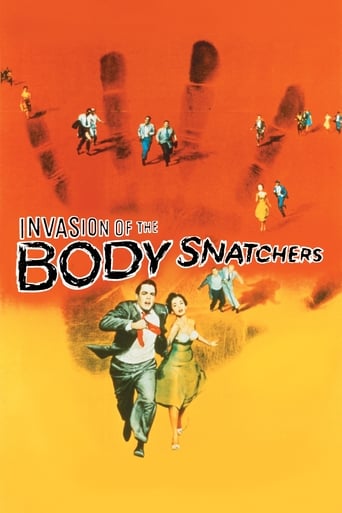
Compare another approach
Invasion of the Body Snatchers (1956)
Released the same year, it shows the cheaper, tenser, paranoid alternative to Forbidden Planet's glossy spectacle.
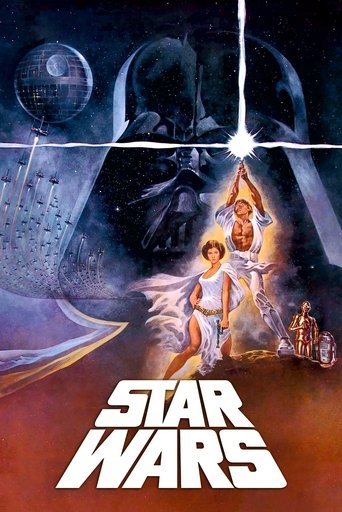
Jump forward
Star Wars (1977)
Space adventure, robots and a frontier crew arrive in full popular form, showing where the template led.