Fantasy · Drama · Mystery
Fanny and Alexander
Swedish (Fanny och Alexander)
1982 · Directed by Ingmar Bergman · 188 min


Fantasy · Drama · Mystery
Swedish (Fanny och Alexander)
1982 · Directed by Ingmar Bergman · 188 min






Meaning, unpacked
Central idea
The film can be read as Bergman's meditation on how imagination, theatre and memory help people survive reality, and how they can also be a danger. It asks whether storytelling is escape, protection or power.
What it means
On the surface, a father dies in a theatre, his two children end up in a bishop's strict house, and a mystical rescue pulls them out. But the film is about something else. At its heart is a question: is storytelling an escape, a protection, or a form of power? Bergman sees imagination as the thing that helps people survive reality, and he also sees its danger. Alexander's inventions blur into lies, and the film keeps asking whether a child's imagination can shield him, wound others, or change the world around him.
That question drives the conflict. On one side is the Ekdahl world of play, performance and sensual indulgence. On the other is the bishop's world of austerity and control. When Alexander's invented story meets an authority that refuses imagination, it becomes a moral and physical contest, and the film is not neutral about which gives life more room. Bergman films ghosts and visions with the same unfussy camera as everyday events, so the supernatural feels like a child's ordinary perception. Perhaps that is its last answer: imagination cannot abolish the cold rooms, but it can fill them with people, light and stories.
Why it mattered
When it appeared, Fanny and Alexander took a director's personal themes (family, theatre, faith, memory, the supernatural) and opened them into a full, novelistic ensemble work with international reach. It was also a homecoming. After a 1976 dispute with Swedish tax authorities, Bergman worked abroad for several years. This film was made in Sweden, with a large crew and many familiar collaborators.
Before anyone tells you what to think: what did you make of it?
Log in to rate it and leave commentsIt takes one click with Google or an email link. You come straight back here.
Rate it, keep your notes, and find the next film.
Free, no ads. Your journal, your lists, a Cine Guide that remembers you.
Create your free spaceIt showed how much a film's feeling can live in its design. Sven Nykvist's lighting gives each house its own mood: candle-warm rooms, cold pale ones, deep shadows. Anna Asp's sets and Marik Vos's costumes make fabrics, furniture and objects almost characters. And Bergman's plain handling of ghosts, with no special-effects spectacle, treated the uncanny as part of ordinary seeing. It won four Academy Awards, including Best Foreign Language Film, and was a major international success for a Swedish film.
Critics praised its richness, warmth and beauty, and saw it as a generous late summation of Bergman's career. Some preferred his earlier austerity, but most welcomed its humanity. It softened the popular picture of him as a purely grim chronicler of despair. Its influence shows in later personal, period-set films about childhood, where design and imagination matter as much as plot. It has also reached the stage: Stephen Beresford's adaptation, directed by Max Webster, played at London's Old Vic in 2018.
Today it is often called one of Bergman's most accessible and beloved films, and one of the finest European films of the 1980s. Its reputation has grown alongside the longer television version, which many now consider the fullest form of the work. If you want to go further, seek that version out for the family subplots the cinema cut leaves out.
What happens
The family reunites at a christening, and Emilie returns to the theatre. Alexander lives on knowing the bishop is dead and his ghost still visits him. Helena reads from Strindberg's A Dream Play, with Alexander beside her.
The last image
Alexander sits close to his grandmother Helena as she reads from A Dream Play, the family gathered around them.
What it says
The bishop's death does not end the story, because Alexander must still live with his guilt and the ghost. The film settles on imagination: it cannot abolish the cold rooms, but it can fill them with people, light and stories.
Or follow an idea from this film

Continue the director
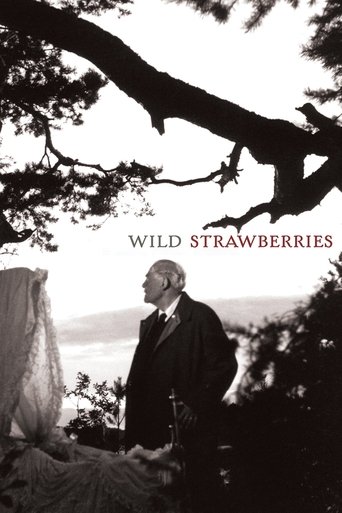
Wild Strawberries (1957)
Bergman's earlier memory film is shorter and more austere, and shows how his treatment of the past, dreams and family evolved before this late work.
Compare another approach
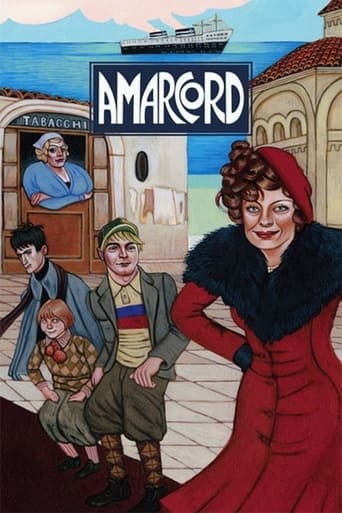
Amarcord (1973)
Fellini's own recollection of childhood is just as colourful and episodic, and makes a good comparison of two great directors' approaches to memory.
Jump forward
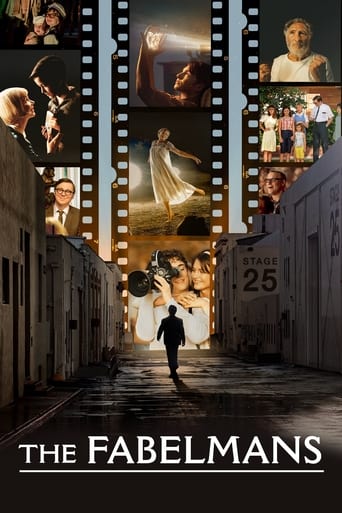
The Fabelmans (2022)
Spielberg's semi-autobiographical film shows how a later director turns family history into a story about art and imagination.
Follow the idea
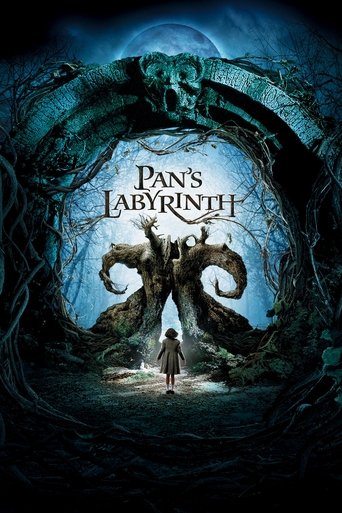
Pan's Labyrinth (2006)
It extends the idea of a child using imagination to face a harsh authoritarian world, in a darker fantasy register.

Continue the director
Persona (1966)
Bergman at his most formally radical, a useful counterpoint to the expansive, warm style of Fanny and Alexander.