Drama
Eternity and a Day
Greek (Μια αιωνιότητα και μια μέρα)
1998 · Directed by Theo Angelopoulos · 133 min


Drama
Greek (Μια αιωνιότητα και μια μέρα)
1998 · Directed by Theo Angelopoulos · 133 min



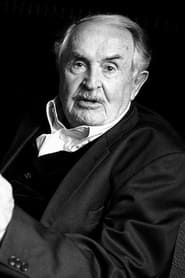

Meaning, unpacked
Central idea
The film is about the meeting of a lifetime and its end: how a man who gave his life to words reckons with time, love he neglected, and what can still be gathered from the present. It can be read as an argument that memory and language are the only forms of eternity we have.
What it means
A poet near the end of his life spends one last winter day in Thessaloniki. He meets a young Albanian street boy at the traffic lights, and memories of his wife Anna drift in around them. There is hardly a plot. The film is closer to a poem, and it seems to argue that memory and language are the only forms of eternity we have.
The title carries the idea. It comes from the answer to a child's question about how long tomorrow lasts: eternity, plus one day. A single moment can hold a whole life. In the memories of Anna, you see that the poet's attention always went to work rather than to life, and the film is a late reckoning with that choice. Words matter too: he is a poet, yet the film is full of finding, buying, giving and losing them. Between the old man and the child, who share no past, something is still recognised and passed on.
Why it mattered
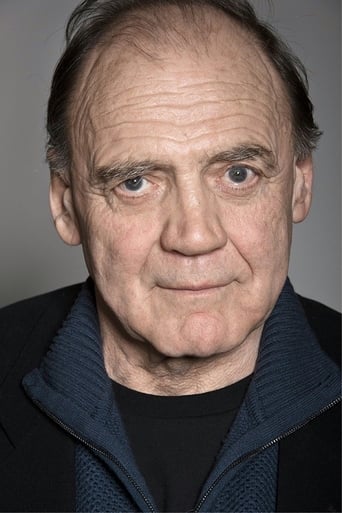
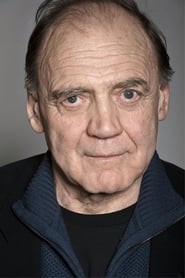
The film won the Palme d'Or at Cannes in 1998, the highest honour of Angelopoulos's career. He had won the Grand Prix there in 1995 for Ulysses' Gaze. Critics praised its poetic depth and Bruno Ganz's performance. Some found its pace and abstraction demanding, but many saw it as one of his most emotionally direct films.
What stands out is how it handles time. There are no flashbacks in the usual sense. The camera moves from the present into a remembered scene with Anna without a cut, and both share one space and one time. Angelopoulos plans his scenes as long choreographies, and a single shot can travel between periods. Yorgos Arvanitis films winter Thessaloniki in fog and pale light, so the grey sea and empty spaces become a landscape of suspended time. Eleni Karaindrou's spare, sorrowful score follows mood rather than action.
Before anyone tells you what to think: what did you make of it?
Log in to rate it and leave commentsIt takes one click with Google or an email link. You come straight back here.
Rate it, keep your notes, and find the next film.
Free, no ads. Your journal, your lists, a Cine Guide that remembers you.
Create your free spaceIts blend of long takes, poetic memory and political landscape reinforced the tradition of contemplative European cinema, which later directors of slow cinema have carried on. It made Angelopoulos a reference point for filmmakers concerned with borders, exile and time. It also arrived just as Greece was becoming a destination for Balkan migrants, and it is often cited in discussions of how Greek cinema pictured refugees and the foreigner.
Today it is seen as one of the key European art films of the 1990s and as Angelopoulos's most personal work. Its reputation has risen with the wider interest in slow cinema, and it is often named as the best way into his films. If you want to go further, start with Ulysses' Gaze, and do seek out Karaindrou's album, which lives happily apart from the film.
What happens
After the boy crosses out of his life at the border, Alexander goes home to his empty house and decides not to go to hospital. His last memory returns him to Anna and their friends on the beach.
The last image
Alexander is back on the beach with Anna and their friends, a memory in which he asks how long tomorrow lasts.
Two readings
What it says
The film ends by answering its own title: Anna's reply, eternity and a day, suggests a single remembered moment can hold a whole life. Having once put work before her, Alexander finally returns to her, and to the present.
Or follow an idea from this film
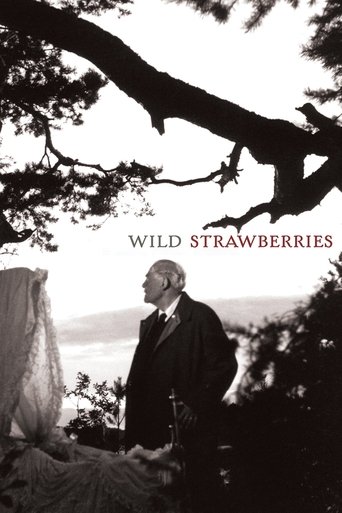

Compare another approach
Wild Strawberries (1957)
Another old man looks back on his life during a single journey. Bergman's more intimate film makes a good comparison with Angelopoulos's poetic, landscape-driven approach.
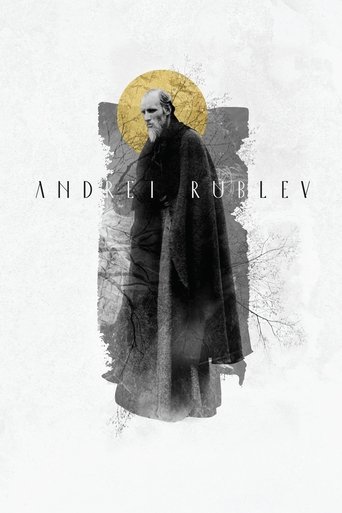
See what influenced it
Andrei Rublev (1966)
Tarkovsky's slow, spiritual epic shows the tradition of sculpted time and long takes that shaped Angelopoulos's style.
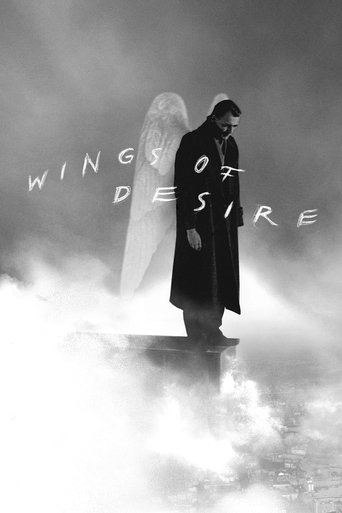
Compare another approach
Wings of Desire (1987)
Bruno Ganz appears in another poetic, slow European art film about time, memory and the longing to experience human life fully.
Follow the idea
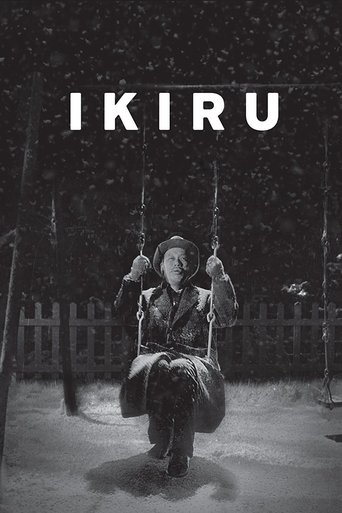
Ikiru (1952)
Kurosawa's film also follows a man facing death who seeks meaning in his last days, in a very different and more direct style.
Jump forward
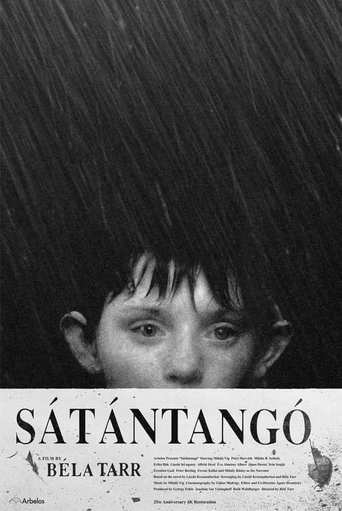
Satantango (1994)
Béla Tarr's very long takes in a bleak landscape take slow cinema further, and show how far its patience can go.