Thriller · Mystery
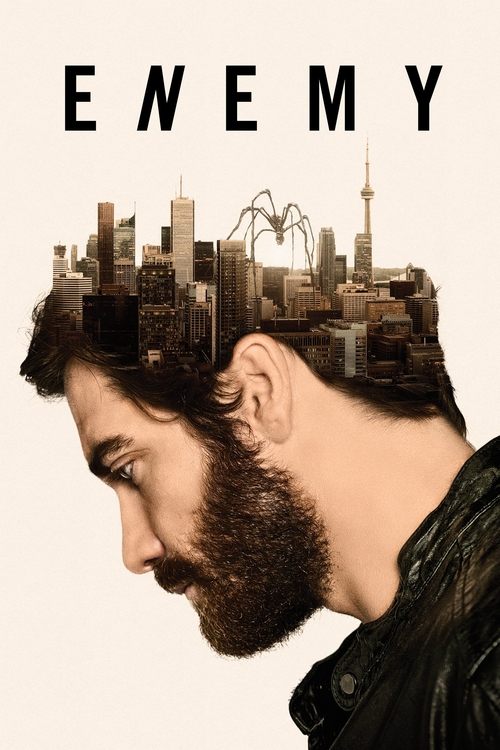
Enemy
Canadian
2014 · Directed by Denis Villeneuve · 91 min


Thriller · Mystery
Canadian
2014 · Directed by Denis Villeneuve · 91 min









Meaning, unpacked
Central idea
The film can be read as a study of a man divided against himself, in which the double stands for impulses, appetites and fears that routine and control have tried to suppress.
What it means
On the surface, a quiet history lecturer spots his exact double in a film, tracks him down, and watches both their lives come apart. But the film is really about what the double means. You can read it as a man divided against himself, with the double standing for the impulses, appetites and fears that routine and control have tried to bury.
Adam lectures on how regimes control people, yet his own life is rigid and repetitive. The film links the control of a society to the control of desire, and suggests that what you suppress does not vanish. It waits. Domestic life, pregnancy and fidelity haunt both men, so it also reads as an anxious portrait of adult responsibility, with the women around them treated warily. Routines and images keep returning until the story feels like a loop.
Why it mattered
Enemy revived the doppelgänger story in a cool, dreamlike register shaped by Lynch and Hitchcock, and it became a defining example of the 2010s art-house psychological thriller. Its look does much of the work. Toronto is never named, and a deliberate yellow tint, hazy skies and grids of glass and concrete make it feel airless, more a dreamscape of confinement than a real city.
It also trusted its audience. Screenwriter Javier Gullón stripped José Saramago's novel to essentials, removed its talkative narrator, and ended on an image rather than an explanation. Recurring webs, lines and tangles form a second layer of meaning that no one explains. You are meant to read them like a dream.
Before anyone tells you what to think: what did you make of it?
Log in to rate it and leave commentsIt takes one click with Google or an email link. You come straight back here.
Rate it, keep your notes, and find the next film.
Free, no ads. Your journal, your lists, a Cine Guide that remembers you.
Create your free spaceIts cold, yellow-tinted mood and unresolved ending helped define a strain of 2010s art-house thrillers. It also previews the control of atmosphere Denis Villeneuve later showed in Sicario, Arrival and Blade Runner 2049. The final shot, a giant spider over the city, became a staple of internet debate, with readings ranging from fear of commitment and infidelity to authoritarian control.
It premiered at Toronto in 2013 and reached wider release in 2014. Reviews were divided but often admiring. Some praised the atmosphere and the ending, while others found it opaque and cold, and box office was modest. Its reputation has grown with Villeneuve's fame. Once seen as a curious side project, it is now a key early statement of his style, and a favourite of viewers who love a puzzle.
What happens
After Anthony and Mary die in a crash, Adam takes Anthony's place with Helen. He finds the club key, tells her he is going out, then enters the bedroom and finds a giant spider where she had been lying.
The last image
Adam stands in the bedroom doorway, staring at the giant spider on the bed, and the screen cuts to black.
Three readings
What it says
The film never explains the spider, because it is not a plot twist. It is an image of what Adam fears and has suppressed. Ending on it leaves you tangled in the web, still asking what is real.
Or follow an idea from this film

See what influenced it
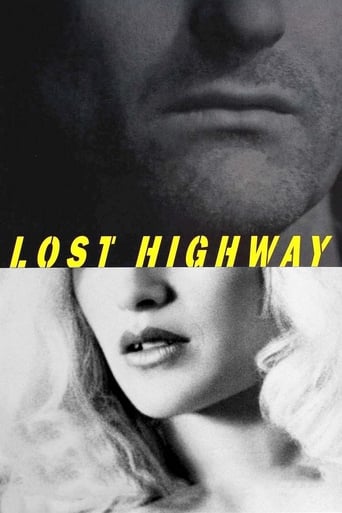
Lost Highway (1997)
David Lynch's tale of split identity shares Enemy's dream logic and menacing sound. It shows the tradition Villeneuve draws on.
Compare another approach
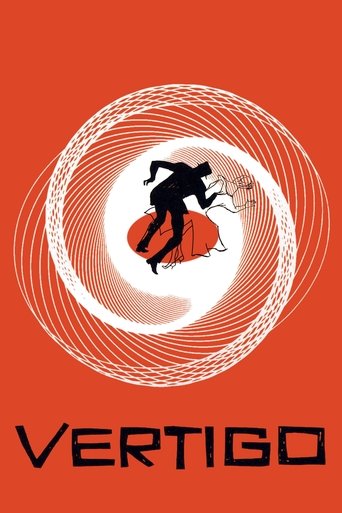
Vertigo (1958)
Hitchcock's classic of doubling and obsession is a good way to compare how a mid-century master and a modern director handle identity and desire.

Continue the director
Dune (2021)
Villeneuve's epic shows how his control of mood and image scales up, and how much he shares with the quieter Enemy.

Follow the idea
Black Swan (2010)
Another thriller in which a divided self and a menacing double blur reality and psychology, with a body-focused, intense style.
Explore the era or movement
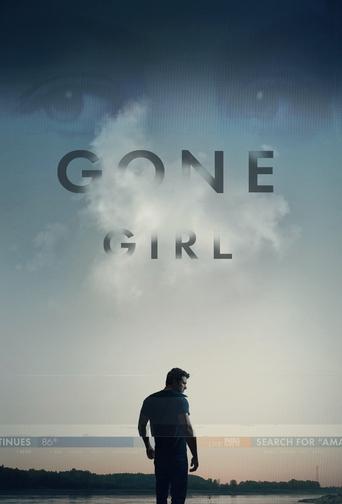
Gone Girl (2014)
A contemporary thriller from the same year, offering a more mainstream approach to identity, deception and cold style.