Adventure · Drama
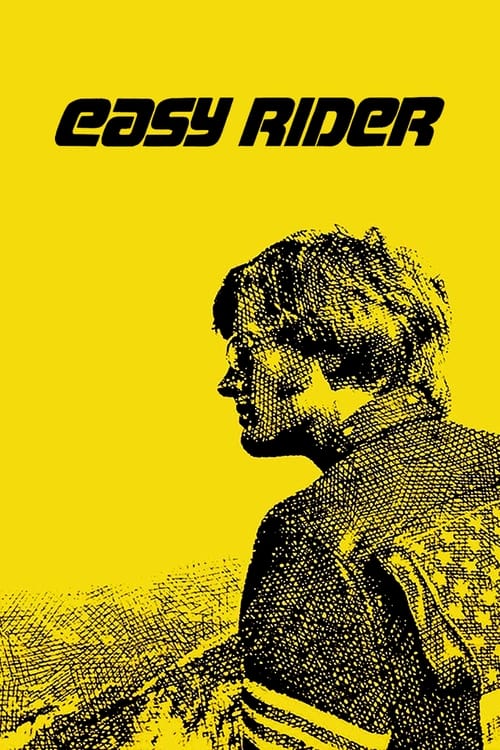
Easy Rider
American
1969 · Directed by Dennis Hopper · 96 min


Adventure · Drama
American
1969 · Directed by Dennis Hopper · 96 min



Meaning, unpacked
Central idea
The film can be read as an elegy for the American promise of freedom. Its two heroes ride across the country looking for it, and the country meets them with suspicion, fear and violence. It questions the counterculture as well as the mainstream.
What it means
Two men, two motorcycles, and money from a drug deal. Wyatt and Billy ride east across America, looking for something they never name. The country they find is not welcoming, and the ending is bleak. The story is simple. What it says is the point.
You can read Easy Rider as an elegy for the American promise of freedom. The word is spoken constantly, yet the film asks who is actually allowed to claim it. People who talk about liberty turn hostile the moment someone looks different. The film does not let the counterculture off the hook either. Communes, small-town cafés, ranch families and Southern roadsides sit side by side, and it never settles whether the journey is spiritual or simply aimless. There is even a joke on the western: Wyatt and Billy recall Wyatt Earp and Billy the Kid, but they ride east on motorcycles, not west on horses.
Why it mattered
Easy Rider broke with Hollywood's smooth habits. Laszlo Kovacs shot largely on location in natural light, often handheld or from moving vehicles, so the wide landscapes make the riders look small. Jump cuts and brief flash-forwards disturbed classical continuity. The cemetery acid trip, shot on 16mm and cut into distorted fragments, turns drifting naturalism into nightmare. It is the film's boldest gamble.
Instead of a composed score, Hopper assembled records by Steppenwolf, The Byrds, Hendrix and others, placed to fit the editing. It was a cheap independent bet, financed through BBS with Columbia distributing, and it earned a fortune. It did not single-handedly create New Hollywood. Bonnie and Clyde and The Graduate, both from 1967, had already shown that young audiences wanted something different. But its success sped that shift up and made studios take notice.
Before anyone tells you what to think: what did you make of it?
Log in to rate it and leave commentsIt takes one click with Google or an email link. You come straight back here.
Rate it, keep your notes, and find the next film.
Free, no ads. Your journal, your lists, a Cine Guide that remembers you.
Create your free spaceIts legacy is large. It established the road movie as a vehicle for American disillusionment, and the pop-song soundtrack as a storytelling tool. Directors like Scorsese, working in the New Hollywood that followed, inherited both. Wyatt's stars-and-stripes helmet and the "Captain America" chopper became shorthand for the free-roaming rider, and "Born to Be Wild" is still tied to the open road.
At the time, audiences, especially young ones, flocked to it, while critics were split between praise and charges of pretension. It won Best First Work at Cannes and received two Oscar nominations, with no wins. Today it is seen as a flawed but important period piece. Its romanticism can feel dated, but its images and music still strike. Perhaps its last lesson is this: freedom is easy to sing about, and much harder to live next door to.
What happens
After the bad trip in New Orleans, Billy celebrates being rich and retired. Wyatt says they blew it. Two men in a pickup shoot Billy, then circle back and shoot Wyatt. It reveals the freedom they chased was never safe.
The last image
Wyatt's motorcycle burns by the roadside as the camera rises away.
What it says
The ending is not a twist. It follows from George's murder: a country that talks about liberty punishes people who look free. Wyatt's quiet "we blew it" suggests they, too, never knew what they were looking for.
Or follow an idea from this film
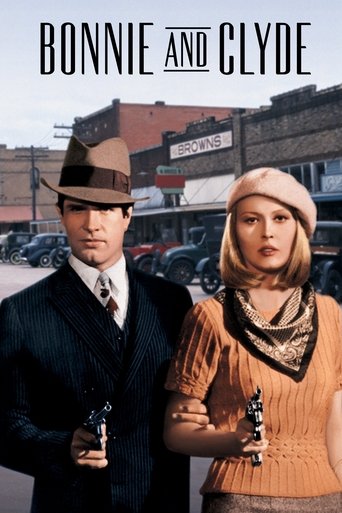

Explore the era or movement
Bonnie and Clyde (1967)
Released two years earlier, it is the other key film in the shift toward violent, anti-establishment American cinema, and it has a comparable shock of an ending.
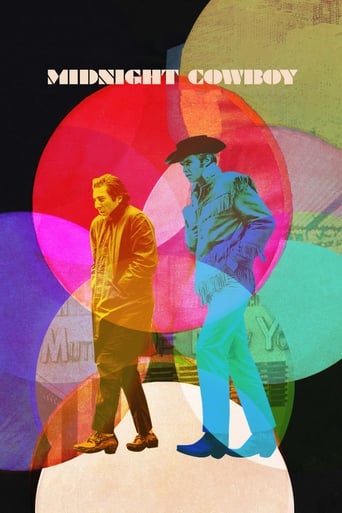
Explore the era or movement
Midnight Cowboy (1969)
Released the same year, it follows two drifters through an unforgiving America and shows another side of New Hollywood's outsider focus.

Jump forward
Scarecrow (1973)
A road movie about two drifters, with Gene Hackman and Al Pacino, that keeps the era's gritty naturalism and refines the buddy format.

Follow the idea
Badlands (1973)
A loose, lyrical journey across the American landscape that, like Easy Rider, pairs wanderers with open land and an indifferent society.
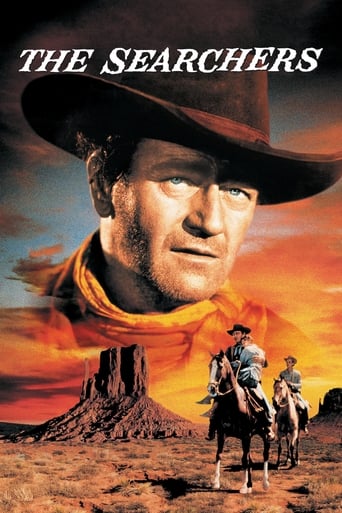
See what influenced it
The Searchers (1956)
The classic western journey across the frontier is the myth Easy Rider's eastward ride inverts, so it is worth comparing how each treats freedom and violence.