Science Fiction · Adventure
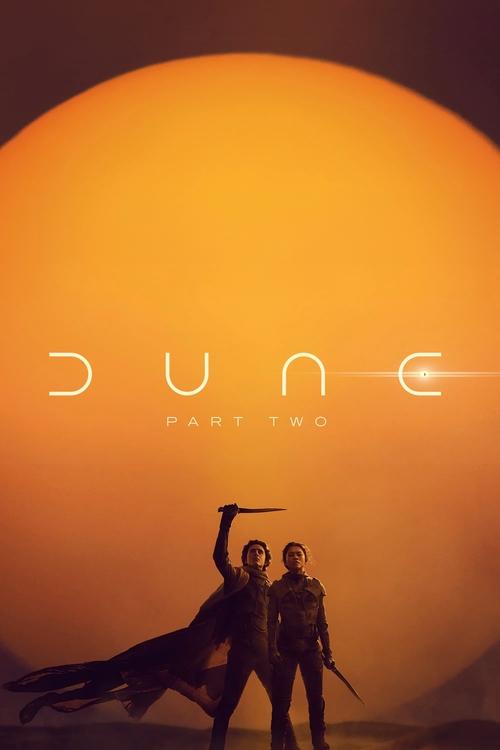
Dune: Part Two
American
2024 · Directed by Denis Villeneuve · 167 min


Science Fiction · Adventure
American
2024 · Directed by Denis Villeneuve · 167 min
Meaning, unpacked
Central idea
The film can be read as a warning about charismatic leadership: a young man seeks belonging, yet the myth built around him becomes larger than him and starts to serve interests, including his own, that he can no longer control.
What it means
At its heart, Dune: Part Two is a warning about charismatic leadership. Paul Atreides joins the Fremen, rises among them, and ends the film on the throne, with Chani watching. But look at what the film thinks of that rise. A young man looks for belonging, and the myth built around him grows larger than he is. It starts to serve interests, including his own, that he can no longer control.
That is why prophecy works here as a trap. It gives the Fremen hope, but it also gives outsiders a way to steer them. The film keeps asking who made the prophecy, and who gains when it comes true. Faith is split three ways: Stilgar is certain, Chani doubts, Jessica calculates. Beneath it all sits a story of empire and resources. Arrakis is prized for the spice, and every power that arrives treats its people as a problem or a tool. The sleek, brutal Harkonnens mirror the polished imperial court, suggesting that civilisation can disguise violence rather than end it.
Why it mattered
Villeneuve insisted on making Herbert's novel as two films, believing one could not show both Paul's rise and its cost. Warner Bros. approved Part Two only after the first film did well. What it delivered was adult, large-format science fiction, led by a director's vision, at a time when that was a real gamble.
The craft treats scale as something you feel. Greig Fraser favours natural light and vast empty space, and infrared cameras give the Harkonnen world its pale, ghostly look. Sound is used as carefully as image: worms and ships feel like physical presences, silence counts as much as noise, and Hans Zimmer built his score from voices, percussion and made-up instruments. Brutalist architecture and enormous doorways tell you who holds power before anyone speaks. A film that ends on dread rather than celebration also showed that a blockbuster can question its own hero.
Before anyone tells you what to think: what did you make of it?
Log in to rate it and leave commentsIt takes one click with Google or an email link. You come straight back here.
Rate it, keep your notes, and find the next film.
Free, no ads. Your journal, your lists, a Cine Guide that remembers you.
Create your free spaceCritics widely praised the scale, the sound and the visual design, and many found it stronger and more emotionally direct than Part One. Some thought the characters remote, or the final act abrupt. It earned well over seven hundred million dollars worldwide, and at the Academy Awards it was nominated for cinematography, production design, sound and visual effects, winning for sound and visual effects.
It confirmed an appetite for serious, large-format science fiction and encouraged studios to back ambitious literary adaptations as event cinema. Its sound and visual design are likely to be a reference point for future epic fantasy and science fiction. It also revived debates about Herbert's story: how well the film delivers its critique of saviours, and how it handles the story's Middle Eastern and North African influences. Today it is often cited as one of the most accomplished studio blockbusters of its decade, valued for its restraint and seriousness.
What happens
Paul takes the Emperor's throne, demands Princess Irulan's hand, and kills Feyd-Rautha. Chani sees he has chosen power over her and rides away on a sandworm, while the Fremen's holy war spreads across the galaxy.
The last image
Chani rides a sandworm away across the desert, alone, as Paul's war goes out into the galaxy.
What it says
Paul wins everything and is trapped by it. The prophecy he once resisted now drives him, and the cheering crowds can no longer be refused. Chani's departure frames his victory as a loss, a warning about charismatic leaders and the myths built around them.
Or follow an idea from this film


Continue the director
Arrival (2016)
Villeneuve's quieter science fiction shows the same patience, sound-led atmosphere and interest in time and perception, but on an intimate scale.
See what influenced it
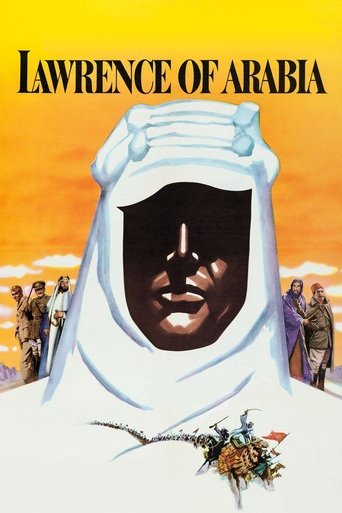
Lawrence of Arabia (1962)
The classic story of an outsider adopted by a desert people and turned into a legend. Its wide desert imagery and its doubts about heroism lie behind Dune.
Compare another approach
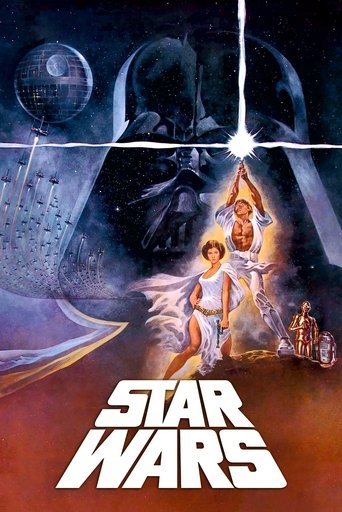
Star Wars (1977)
Both build myth around a young chosen hero in a desert setting. Comparing them shows how Dune questions what Lucas treats as a straightforward adventure.
Follow the idea
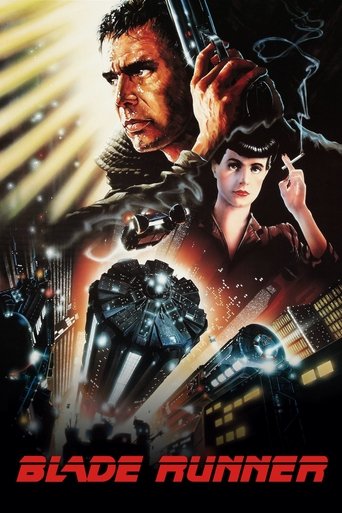
Blade Runner (1982)
A landmark of design-led science fiction in which world-building, sound and mood matter as much as plot, and which Villeneuve later continued.
Explore the era or movement
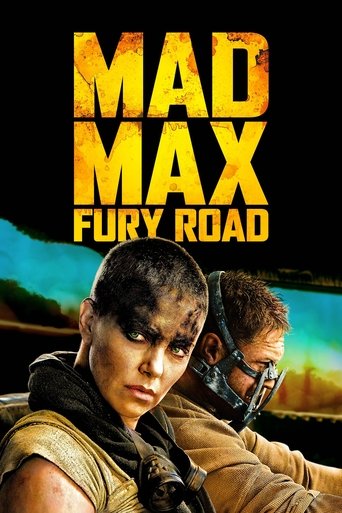
Mad Max: Fury Road (2015)
Another recent large-scale film set in a desert world of scarcity and cult leaders, but built on propulsive, practical action instead of ritual.