Animation · Comedy
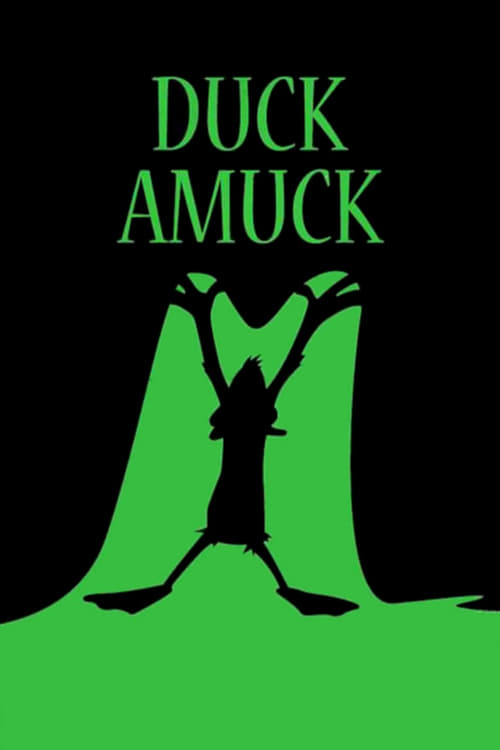
Duck Amuck
American
1953 · Directed by Chuck Jones · 7 min


Animation · Comedy
American
1953 · Directed by Chuck Jones · 7 min
Meaning, unpacked
Central idea
The film turns the cartoon into a power struggle between a character and his maker. It can be read as a joke about the helplessness of anyone whose world is controlled by someone else, and as a demonstration that animation is built from deliberate choices.
What it means
Daffy Duck is at the mercy of an unseen animator who keeps rewriting his world, and in the end the artist turns out to be Bugs Bunny. Under the gags, the cartoon is a power struggle between a character and his maker. You can read it as a joke about anyone whose world is controlled by someone else. You can also read it as a demonstration that nothing on screen is there by accident: animation is built from deliberate choices.
Four ideas run through it. Creator versus creation: Daffy depends on an animator for his setting, his voice and his shape, and every change shows how little independence a drawn character has. Identity under erasure: as his costume, face and voice are taken away, Daffy gets angry, which shows how much he treats those things as himself. Ego: Jones's Daffy is vain and needs to be the star, and the film punishes him for it, exposing the insecurity underneath. And the medium laid bare: frame, pencil, brush and soundtrack are all shown at work, so you see how a cartoon is put together. It is a joke about a duck who wants to be in control, yet it suggests something kinder about every character we love: they exist only because someone chose to draw them.
Why it mattered
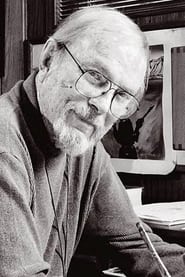
On release, Duck Amuck was one of many Warner Bros. cartoons shown before features, and audiences simply took it as a Daffy Duck cartoon. What was new was its subject. Instead of a chase or a plot, Chuck Jones and writer Michael Maltese used the cartoon's own tools as the story. The setting vanishes and is redrawn on demand. The soundtrack fails, with wrong sounds in place of the expected ones, which was a daring joke in a period that valued synchronised sound. Daffy's shape, face and costume are rewritten, the film's most literal picture of powerlessness.
Before anyone tells you what to think: what did you make of it?
Log in to rate it and leave commentsIt takes one click with Google or an email link. You come straight back here.
Rate it, keep your notes, and find the next film.
Free, no ads. Your journal, your lists, a Cine Guide that remembers you.
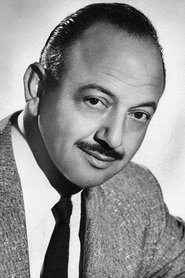
Create your free spaceThe craft makes it work. Maltese's story is a run of variations on one rule, each building on the last, so the gags escalate and the film feels inevitable. The backgrounds are deliberately simple, so each change reads at once. Mel Blanc's lisp, rage and whimpering carry the acting, even when Daffy is deprived of speech. And Carl Stalling's scoring tradition at Warner tied music tightly to action; here the link is deliberately broken, so you notice how much you rely on it.
The film's reputation grew later, through television reruns, retrospectives and the praise of animators and critics, who came to see it as a high point of the studio's work. It was not a huge hit, and it was not nominated for an Academy Award. Its premise, a character fighting the people who author his world, runs through later animation and live-action comedy. It also made Jones's Daffy, selfish and insecure rather than merely zany, the reference version of the character.
Today it is regarded as one of the finest American cartoons and the standard example of reflexive animation. Because it is short, funny and clear about how a cartoon is assembled, it is a staple of film and media courses. The twist that the animator is Bugs Bunny is among the best-known gags in the Looney Tunes catalogue. Jones returned to the idea in Rabbit Rampage, from 1955, and the image of Daffy being redrawn and silenced is still shorthand for someone changing the rules around you.
What happens
Daffy, pushed past breaking point, demands to know who is doing this to him. The camera pulls back to reveal the artist at the drawing board: Bugs Bunny, calm and amused, enjoying every moment of Daffy's torment.
The last image
Bugs sits at the drawing board, grinning, entirely unbothered by Daffy's fury.
What it says
The reveal answers who controls Daffy's world, and the answer is a rival. It shows how little power a drawn character has, and that nothing on screen is an accident. Every character we love exists because someone chose to draw them.
Or follow an idea from this film
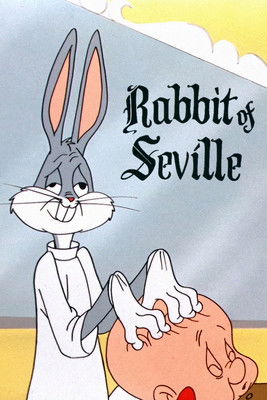

Continue the director
Rabbit of Seville (1950)
Another Chuck Jones short with Bugs Bunny and Elmer Fudd. Its timing and music show Jones's command of cartoon rhythm in a different register.
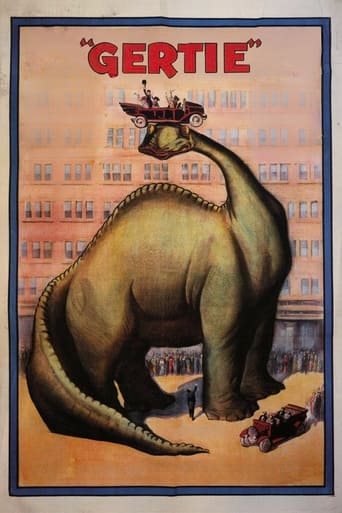
See what influenced it
Gertie the Dinosaur (1914)
An early animation in which a drawn creature is directed by its creator, showing the long history of the animator-character relationship.
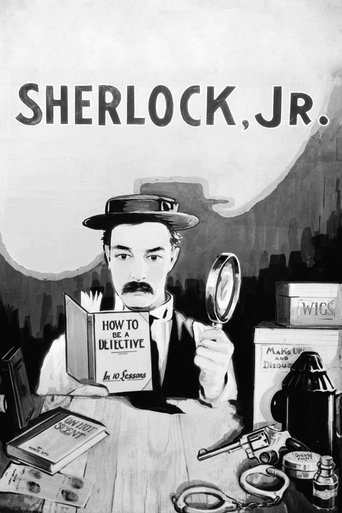
Follow the idea
Sherlock Jr. (1924)
Buster Keaton's comedy about a man who steps into a film uses the same idea of a world that suddenly changes around its hero.
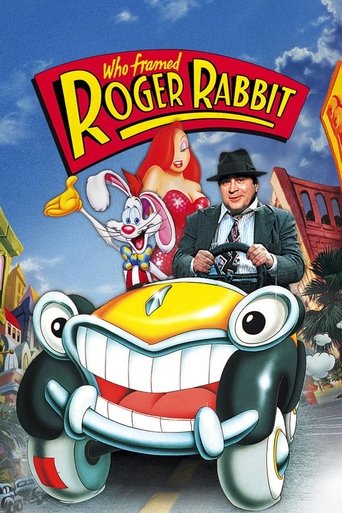
See its influence
Who Framed Roger Rabbit (1988)
Brings Looney Tunes and Disney stars into a live-action mystery, and treats cartoon logic as something the characters live inside.
Jump forward
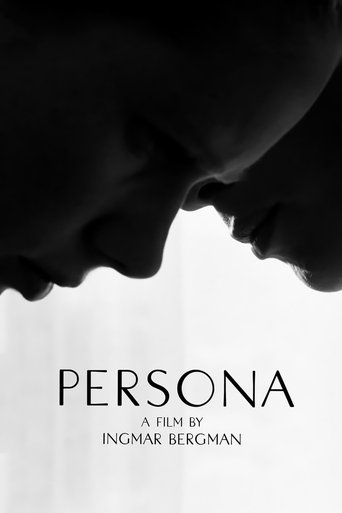
Persona (1966)
Bergman's art film also draws attention to the medium itself, using the film strip and frame to question what viewers are looking at.