Drama
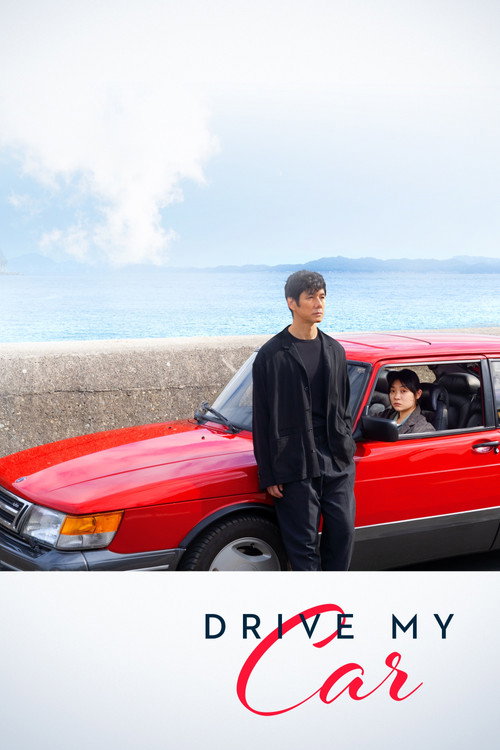
Drive My Car
Japanese (ドライブ・マイ・カー)
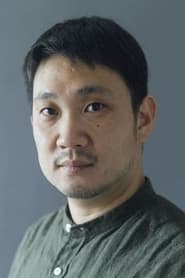
2021 · Directed by Ryusuke Hamaguchi · 179 min


Drama
Japanese (ドライブ・マイ・カー)
2021 · Directed by Ryusuke Hamaguchi · 179 min









Meaning, unpacked
Central idea
The film can be read as an exploration of how people try to understand others, and themselves, through performance, language and shared silence. Grief and betrayal remain unresolved until Kafuku learns that honesty about his own failings matters more than solving someone else's mystery.
What it means
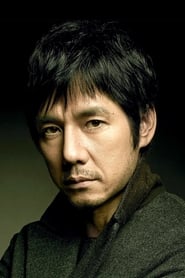
Kafuku is a man still living with a loss. He takes a theatre job in Hiroshima, staging Chekhov's Uncle Vanya, and spends long hours in his red Saab with Misaki, the young woman who drives it. The film's idea is simple and difficult: people try to understand each other, and themselves, through performance, language and shared silence.
Grief runs through it. Some questions never get answered, and living with that is the work of mourning. Kafuku hears what he wants to hear and avoids what he already suspects, so when honesty comes, it comes late and costs him. What he learns is that being honest about his own failings matters more than getting an answer. Both he and Misaki carry guilt over people they could not save, and their friendship rests on recognising that without saying it all. Perhaps the quiet lesson is this: you cannot always know another person, but you can sit beside them and keep listening.
Why it mattered
The film began after the wound, not at it. A long prologue sets up the marriage, the stories Kafuku's wife tells and the secret he keeps. Then the title appears, two years pass, and everything reads as aftermath. That gives it the feel of a novel. Eiko Ishibashi's score is sparse, and the sound is mostly voices, engine hum and silence, so the words and the way they are spoken carry the feeling.
It also showed how film and theatre can feed each other. Actors read Chekhov flat, without inflection, for weeks, and truth seems to rise once the acting is stripped away. Hamaguchi uses the same method with his own casts, so the film's style and its subject are one thing. Its Uncle Vanya mixes Japanese, Korean, Mandarin, English and Korean Sign Language, suggesting understanding needs no shared tongue. And it is no plain adaptation of Murakami: Hamaguchi and Takamasa Oe borrowed from two other stories and added Chekhov, the Hiroshima festival and much of the second half.
Before anyone tells you what to think: what did you make of it?
Log in to rate it and leave commentsIt takes one click with Google or an email link. You come straight back here.
Rate it, keep your notes, and find the next film.
Free, no ads. Your journal, your lists, a Cine Guide that remembers you.
Create your free spaceIt premiered in competition at Cannes in 2021 and won Best Screenplay, plus the FIPRESCI and Ecumenical Jury prizes. It then swept critics' awards in the United States and won the Oscar for Best International Feature, with nominations for Best Picture, Best Director and Best Adapted Screenplay. Some viewers found the three-hour length demanding, but few doubted its control.
Its influence is real. It brought a quiet, text-centred Japanese cinema to a global audience, sent readers to Murakami's Men Without Women and drew attention to Hamaguchi's rehearsal-led methods. Its multilingual staging, with Deaf performers included, comes up in talk of translation and intercultural theatre, and film and theatre courses use it to discuss how people carry loss. Today it is treated as a defining film of the early 2020s, and the obvious way into Hamaguchi's work, ahead of Evil Does Not Exist from 2023.
What happens
Kafuku performs Vanya himself after Takatsuki's arrest. That follows the snowy confession in Hokkaido, where he and Misaki finally admit their guilt. In the last scene, Misaki is in Korea, living a new life with the red Saab.
The last image
Misaki, in Korea, drives the red Saab, her life now her own.
What it says
The ending is quiet because the film is about living with what can't be answered. Kafuku stops chasing Oto's secret and accepts his own failings. Misaki, freed from guilt, takes the wheel of her own life.
Or follow an idea from this film

See what influenced it
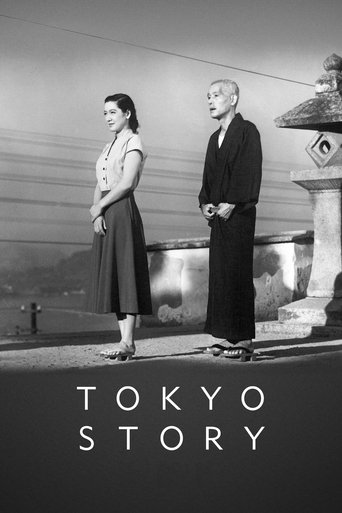
Tokyo Story (1953)
Ozu's quiet, low-key family drama shows the tradition of stillness and understatement that Hamaguchi inherits.
Compare another approach
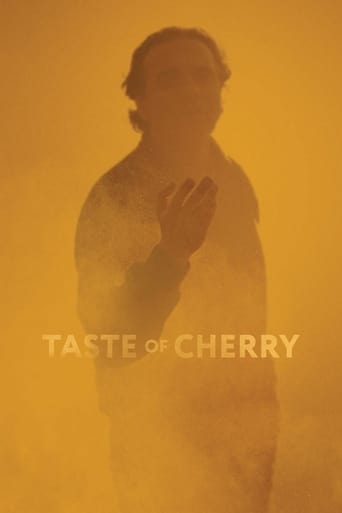
Taste of Cherry (1997)
Another film that turns car conversations into philosophical drama, though with a spare, ambiguous Iranian sensibility.
Follow the idea
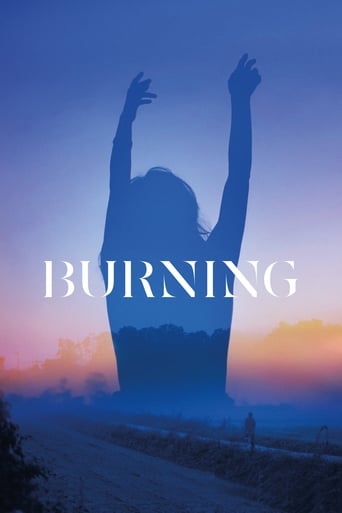
Burning (2018)
Lee Chang-dong's Murakami adaptation is more menacing but explores the same theme of what we can and cannot know about others.
Explore the era or movement
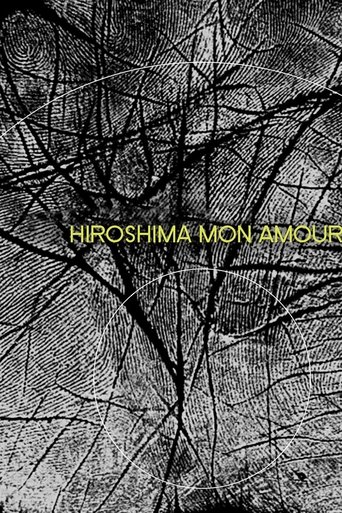
Hiroshima Mon Amour (1959)
Also set in Hiroshima, it uses memory, grief and conversation as its drama, and shows how that city has been used in cinema.
Continue the director
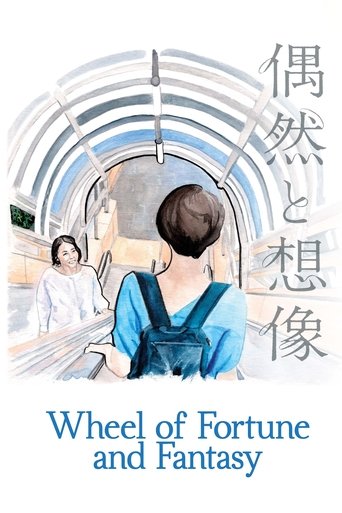
Wheel of Fortune and Fantasy (2021)
Hamaguchi's three-part anthology, released the same year, shows his gift for conversation in a shorter, more playful form.