Drama
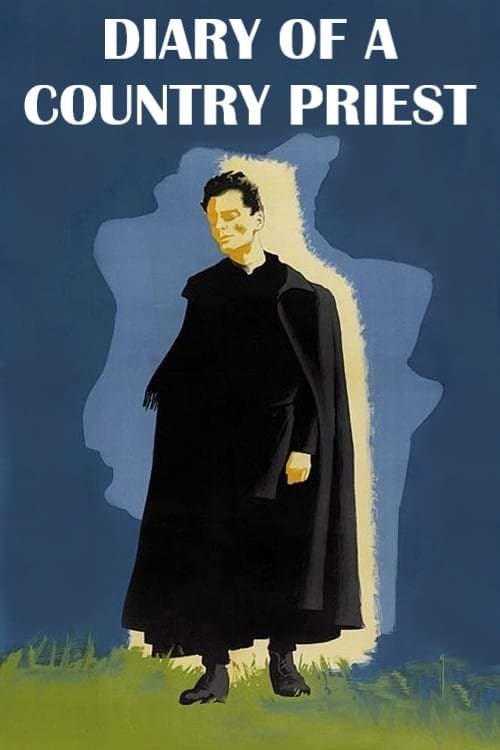
Diary of a Country Priest
French (Journal d'un curé de campagne)
1951 · Directed by Robert Bresson · 115 min


Drama
French (Journal d'un curé de campagne)
1951 · Directed by Robert Bresson · 115 min





Meaning, unpacked
Central idea
The film can be read as an exploration of faith under conditions of failure: a man who serves with total sincerity gets little visible reward, and the film asks what spiritual success could mean when it cannot be measured or seen.
What it means
A young priest writes in his diary, and the village around him gives him very little back. That is the whole shape of the film, and it asks a hard question: what does spiritual success mean when nobody can see it, measure it or even feel it? The priest serves with total sincerity and meets rejection, ridicule and doubt. He is ill and lives on bread and wine. The film never turns that into victory. Belief here is endurance, lived in the body.
The village watches, gossips and judges, so his loneliness comes partly from his own temperament and partly from a closed world. The diary is a private confession, and the film keeps asking how far words reveal a person and how far they hide one. The ending is no climax. The screen fades to black, a cross appears, and we read "All is grace." Grace, the film suggests, works in ways neither the priest nor you can fully see.
Why it mattered
Bresson builds the film through omission. Scenes stop abruptly, fades to black mark the diary entries, and big events are skipped or seen only through their consequences. The camera stays close on faces, hands and objects, locations are plain, and the music is used sparingly. Your attention rests on inner states rather than action. The voice often reads what the image is about to show, and the gap between what is written, said and pictured is where the quiet tension lives.
It adapts Georges Bernanos's 1936 novel, keeping the diary form and much of the dialogue but cutting heavily, aiming for fidelity in spirit rather than a literal illustration. The critic André Bazin wrote a famous essay defending exactly that approach, calling it a cinematic equivalent of the novel. His defence helped make Bresson's name and shaped how we think about adaptation. The film is seen as a defining work of postwar French art cinema.
Before anyone tells you what to think: what did you make of it?
Log in to rate it and leave commentsIt takes one click with Google or an email link. You come straight back here.
Rate it, keep your notes, and find the next film.
Free, no ads. Your journal, your lists, a Cine Guide that remembers you.
Create your free spaceIts diary voiceover and austere spirituality fed into Bresson's later films, and shaped Paul Schrader's thinking about transcendental style. Taxi Driver used a diary narration, and First Reformed, from 2017, is openly indebted to this film. It also carried Bernanos's novel to a wider audience, and the closing words, "Tout est grâce", stayed tied to the story.
On release it was widely admired in France and won significant French and international recognition. Some viewers found it austere and demanding, and there were arguments about how faithful it was to Bernanos. Today it stands as one of the clearest examples of Bresson's mature style and a central work of spiritual cinema. Later generations came to see its restraint and omission as a model for serious filmmaking, not a limitation. It is a regular reference in film studies and in theology courses.
What happens
Ill and alone, the priest learns in the city that he has a grave illness. He dies in a friend's home, and his last words are that grace is everywhere. His failures are never turned into visible success.
The last image
The screen goes dark and a cross appears, with nothing else to explain it.
What it says
The ending moves the focus from the man to something beyond him. The priest's work shows no results you can measure, and the film refuses to invent any. Grace, it suggests, works in ways neither he nor you can fully see.
Or follow an idea from this film

Continue the director
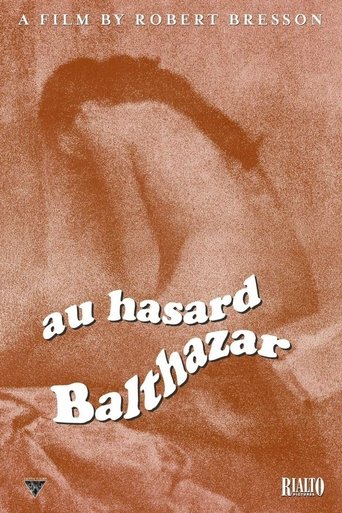
Au Hasard Balthazar (1966)
The most famous later Bresson film follows a donkey through a series of owners, extending his minimalist method into a parable of suffering.
Continue the director
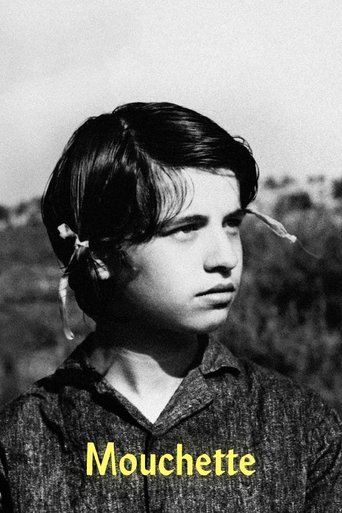
Mouchette (1967)
Bresson returns to Bernanos and rural despair, with an even harsher view of village life and a young protagonist.
See its influence
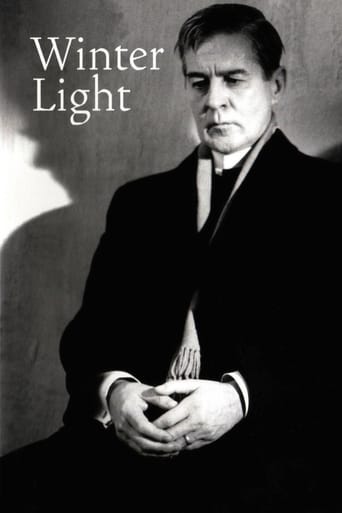
Winter Light (1963)
Bergman's pastor in crisis shows how the Bresson-style austere study of doubt developed in Scandinavian cinema.
See what influenced it
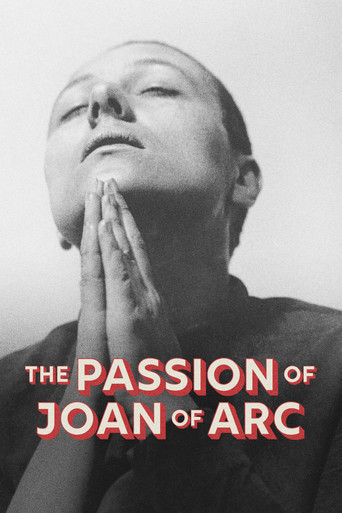
The Passion of Joan of Arc (1928)
Dreyer's silent film shows the close-up face as the vehicle for spiritual drama, an important source for Bresson's approach.

Compare another approach
Nazarín (1959)
Buñuel's film also follows a sincere priest in a hostile world, but with irony and social critique where Bresson offers grace.