Drama
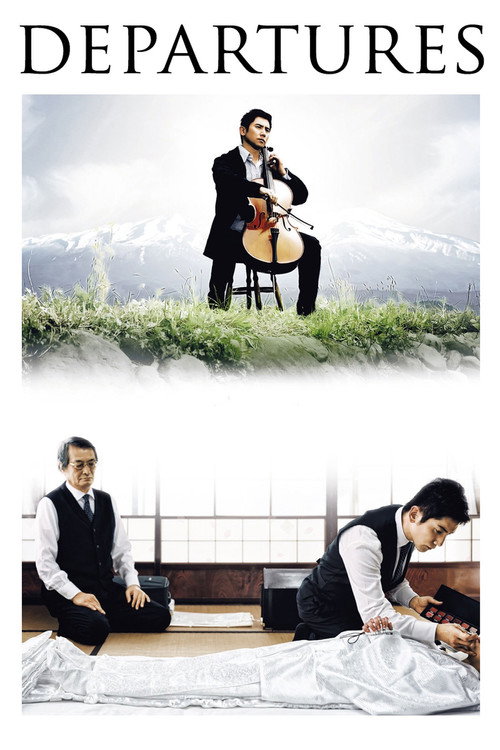
Departures
Japanese (おくりびと)
2008 · Directed by Yojiro Takita · 130 min


Drama
Japanese (おくりびと)
2008 · Directed by Yojiro Takita · 130 min







Meaning, unpacked
Central idea
The film is about dignity: the dignity of unglamorous work, of the dead, and of the people who look after them. It can be read as a case that care, done properly, is a form of art.
What it means
Departures is about dignity: the dignity of unglamorous work, of the dead, and of the people who look after them. Daigo, a cellist whose career collapses, goes home to a small town and prepares the dead for their coffins. The film quietly argues that care, done properly, is a form of art.
Three ideas carry it. First, stigma. Daigo's friends and family recoil from his job, yet the town relies on someone doing it, so the film asks what that says about our fear of death. Second, skill. Playing the cello and preparing a body are both practice, both a way of respecting others. Skill is a form of love. Third, the final ceremony and the stone, where ritual, music and family meet in one quiet image of what people carry between them. Alongside this runs a gentler thread about fathers, absence and forgiveness.
Why it mattered
In 2008 and 2009 the film brought a quiet, specific Japanese ritual to audiences far from home. It was a major hit in Japan and swept the Japan Academy Prizes. It won the Grand Prix at the Montreal World Film Festival in 2008. Then, at the 2009 Academy Awards, it won Best Foreign Language Film, the first Japanese film to do so.
What was new was how little it asked of the camera. Takita lets the ritual scenes play almost uninterrupted and keeps the bereaved in the frame, so you watch the way the family watches. It also marked a rare international breakthrough for mainstream Japanese cinema, linking the older tradition of family drama to today's festival audiences.
Before anyone tells you what to think: what did you make of it?
Log in to rate it and leave commentsIt takes one click with Google or an email link. You come straight back here.
Rate it, keep your notes, and find the next film.
Free, no ads. Your journal, your lists, a Cine Guide that remembers you.
Create your free spaceThe film helped open the international market to Japanese mainstream dramas about everyday work and family. Later films such as Shoplifters draw on the same tradition of quiet domestic realism. Its subject also raised public interest in funeral customs, and it is still cited when people discuss how Japan treats death-related work. Joe Hisaishi's cello theme is widely performed and arranged for cello and piano. Sakata, where it was shot, has promoted the locations, and teachers use the film in courses on Japanese culture and mourning.
Today it remains the best-known contemporary Japanese humanist drama abroad, valued as a warm, accessible way into Japanese attitudes toward death. Critics praised its humour, restraint and performances. Some find the sentimentality heavy near the end, and some see it as more conventional than the classics it echoes.
What happens
Mika sees Daigo prepare the bathhouse woman and finally understands his work. Then his estranged father dies. Daigo forgives him, prepares the body himself, and finds in his father's hand the stone he once gave him as a boy.
The last image
A dead man's closed hand, holding a small stone his son gave him long ago.
What it says
The ending turns the film's idea of dignity inward. The care Daigo gives strangers is the care he finally gives his father, and the stone shows that what we carry between us outlasts absence. Forgiveness arrives as ritual.
Or follow an idea from this film

See what influenced it
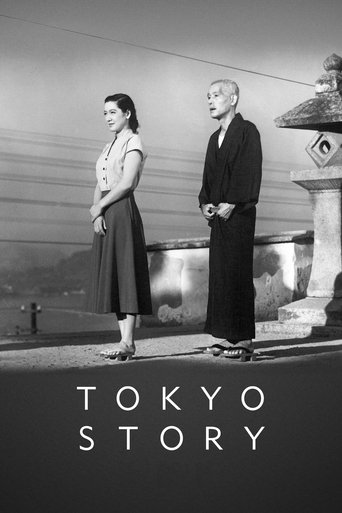
Tokyo Story (1953)
Ozu's masterpiece of family, loss and quiet feeling is the classic that Departures echoes in its humane, patient style.
Compare another approach
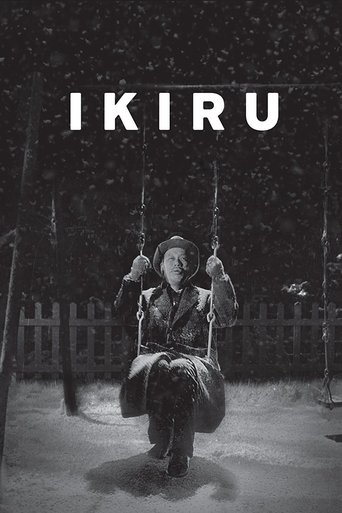
Ikiru (1952)
Kurosawa also asks how a person finds meaning through work when confronted with death.
Jump forward
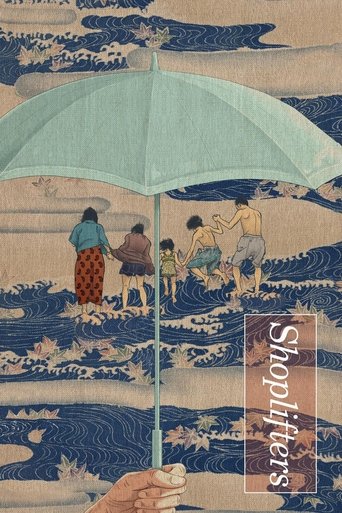
Shoplifters (2018)
A later Japanese family drama that finds dignity in the overlooked.

Explore the era or movement
Drive My Car (2021)
Another Japanese Oscar winner, this one a long, quiet study of grief and art.
Follow the idea
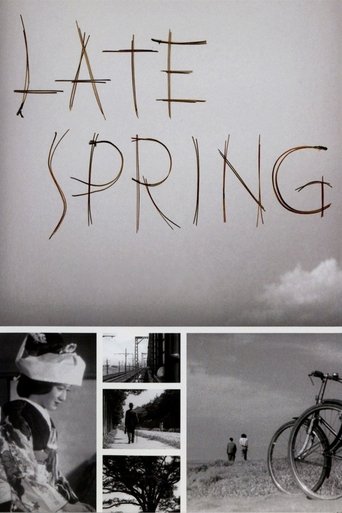
Late Spring (1949)
Ozu's family drama of departure and duty shows the older tradition behind Departures.