Drama · Crime
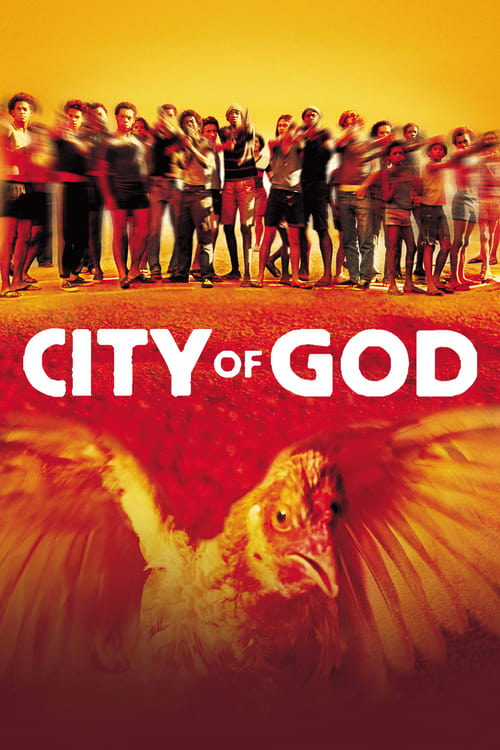
City of God
Brazilian (Cidade de Deus)
2002 · Directed by Fernando Meirelles · 129 min


Drama · Crime
Brazilian (Cidade de Deus)
2002 · Directed by Fernando Meirelles · 129 min






Meaning, unpacked
Central idea
The film can be read as an examination of how violence reproduces itself in a place that society has abandoned: children grow up with few options, and each generation copies and escalates the last.
What it means
City of God asks how violence reproduces itself in a place that society has abandoned. Children grow up with few options, and each generation copies the one before, then goes further. You see it across three decades: the playful, almost Robin Hood-style robberies of the Tender Trio in the sixties, then Dadinho, a boy who takes part in a motel robbery and kills several people. By the seventies he is Li'l Zé, and a childhood fascination with killing has become a calculated path to power. When Zé falls, a gang of children, the Runts, take over the trade and are already planning their next targets. The cycle simply turns again.
The film is also about what a place like this offers. The housing project was built to move poor families out of sight, and little is offered beyond crime. Gang rule runs like a business and a popularity contest, where respect and fear are currencies that never stay stable. Then there is Rocket, who wants to be a photographer. His camera lets him witness, escape and be recognised. But what does it mean to profit from images of suffering? The film leaves you with a last question: who gets to tell this story, and who is left to live it?
Why it mattered
In 2002, City of God brought Brazilian cinema to a worldwide audience. It fused Hollywood-style pace with social realist subject matter, and it reshaped how global audiences saw Brazil. Daniel Rezende's editing, with nested flashbacks, split-screen and freeze frames, covers three decades in under two hours and gives each chapter its own personality. César Charlone's cinematography changes with the era: golden, sunlit tones for the sixties, a bleached look in the seventies, then harder, colder images as the war grows.
Before anyone tells you what to think: what did you make of it?
Log in to rate it and leave commentsIt takes one click with Google or an email link. You come straight back here.
Rate it, keep your notes, and find the next film.
Free, no ads. Your journal, your lists, a Cine Guide that remembers you.
Create your free spaceIt also changed who appeared on screen. About two thousand young people from Rio's favelas auditioned, and the final cast went through months of workshops, with Kátia Lund co-directing them and improvisation coached alongside Fátima Toledo. Actors built scenes rather than memorising rigid scripts, which gives the children their unusual spontaneity. It was a major hit in Brazil and later abroad, and after a US release it earned four Oscar nominations: director, adapted screenplay, cinematography and editing. It won none, which makes the run no less unusual for a film with a largely non-professional cast.
Its hand-held, fast-cut style shaped films and television about gangs and slums worldwide, from Slumdog Millionaire to later Brazilian productions. It launched Fernando Meirelles, Charlone and Rezende into international careers, and raised the profiles of Seu Jorge and Alice Braga. Many of the cast went on to work in Brazilian film and TV, and the film is often cited as a landmark for casting non-professional actors from the communities depicted. Its world carried on in the series City of Men, from 2002 to 2005, and a 2007 film.
For many viewers abroad, it became a leading image of Rio's favelas, and it fed debates in Brazil about policing, youth gangs and how poor communities are portrayed. Some Brazilian commentators and residents asked whether its stylish violence risked glamorising favela life, and that debate continues, including over its treatment of race and class. Today it is regarded as one of the key films of the 2000s and a reference point for Brazilian cinema. Its craft and cultural impact are rarely disputed.
What happens
The police arrest Li'l Zé, take his money and let him go. The Runts, a gang of children, then kill him and take over the trade, already planning their next targets. Rocket's photographs of Zé's gang are published.
The last image
The Runts walk the streets of the favela with their next targets already chosen, as Rocket's photographs go to print.
What it says
The ending is a circle. Zé's fall changes nothing, because another generation of children is ready to step in. The film ends there because its subject is how violence reproduces itself, not how one gangster is punished.
Or follow an idea from this film
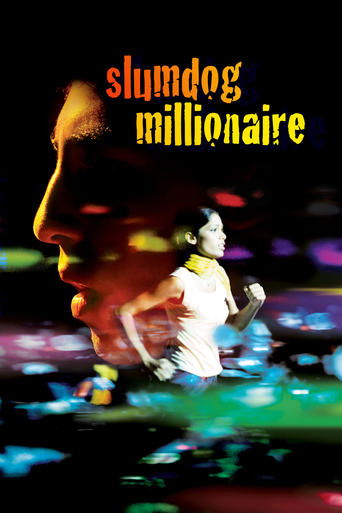

Compare another approach
Slumdog Millionaire (2008)
A similarly kinetic story of children in a city slum, but with a more hopeful tone. Comparing the two shows how style shapes the moral reading.

See what influenced it
GoodFellas (1990)
Scorsese's gangster saga is the model for the voice-over and rise-and-fall rhythm that Meirelles adapts.
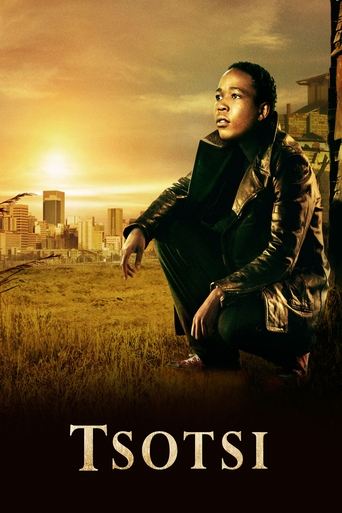
Follow the idea
Tsotsi (2005)
A South African story of a young criminal in a township, useful for comparing how different countries portray poverty and crime.
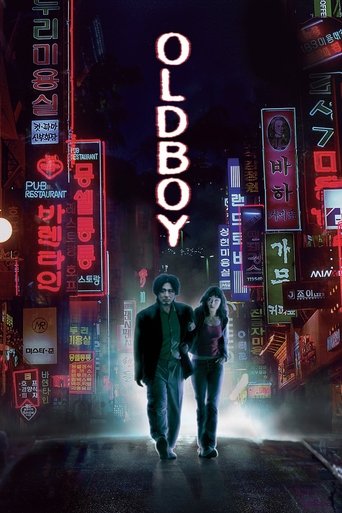
Explore the era or movement
Oldboy (2003)
Another early 2000s film that mixes stylish violence with strong storytelling, from South Korea.
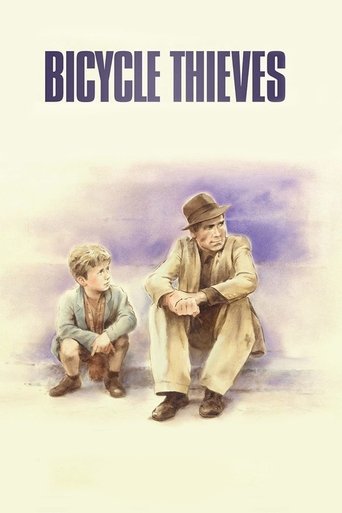
See what influenced it
Bicycle Thieves (1948)
The neorealist model of non-professional actors and real locations that City of God updates with a much more aggressive style.