Drama · Romance
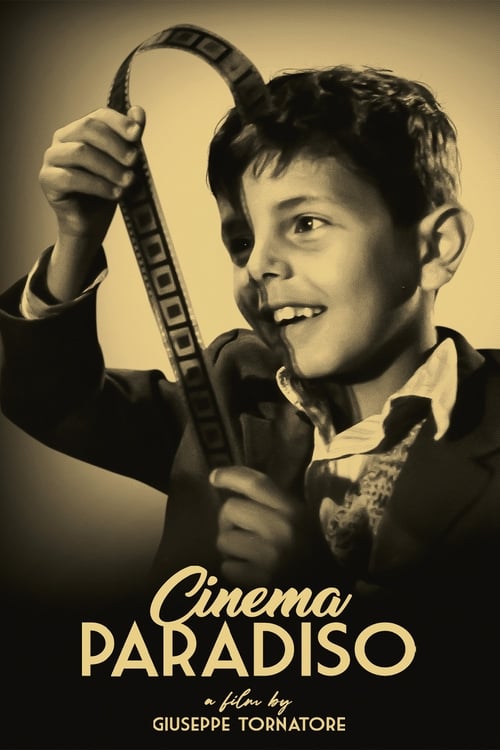
Cinema Paradiso
Italian (Nuovo Cinema Paradiso)
1988 · Directed by Giuseppe Tornatore · 124 min


Drama · Romance
Italian (Nuovo Cinema Paradiso)
1988 · Directed by Giuseppe Tornatore · 124 min









Meaning, unpacked
Central idea
The film can be read as an elegy for the shared experience of cinema and for the places and people that shaped a life. It asks what we owe to those who taught us to love, and what is lost when we leave them behind.
What it means
Cinema Paradiso is an elegy. A man looks back on a Sicilian childhood spent in a village cinema, and on Alfredo, the projectionist who became a second father to him. The film mourns the shared experience of cinema, and the places and people that shaped a life. It asks a hard question: what do we owe to those who taught us to love something, and what is lost when we leave them behind?
Its warmth is under suspicion, though. Because it is told as one man's remembering, the film wonders whether longing for the past can become a way of avoiding life. Memory comforts here, and it also wounds. The emotional core is Alfredo's firm, painful guidance to young Totò about his future. Sometimes love between mentor and pupil demands that you push someone away, because success means leaving home, yet home is where identity lives.
Why it mattered
The film helped carry the Italian tradition of memory films to a worldwide audience, just as the old neighbourhood cinema was disappearing. Its structure is part of how it does this: a frame story in the present opens into long flashbacks and then returns, so the whole film feels like one man's act of remembering. Ennio Morricone's music, with a love theme by his son Andrea, tells you how to feel, and it works because the film is so sincere.
It also treats the crowd as its subject. People laugh, weep and quarrel together, and the auditorium becomes a small society. When it is overfull, a film is projected onto a building in the square and the whole village becomes one audience. The village priest cutting the kisses shows institutional control over what people may see and feel, and the closing montage of those kisses became one of cinema's best-known images of censorship.
Before anyone tells you what to think: what did you make of it?
Log in to rate it and leave commentsIt takes one click with Google or an email link. You come straight back here.
Rate it, keep your notes, and find the next film.
Free, no ads. Your journal, your lists, a Cine Guide that remembers you.
Create your free spaceThe film won the Grand Prix at Cannes in 1989 and the Oscar for Best Foreign Language Film. Reaction was mixed at home but strong abroad. Some critics found it too sweet, but most praised its warmth, its performances and Morricone's score. It helped define the modern nostalgic film about growing up with movies, a form you can see later in The Fabelmans.
Its life went beyond the screen. Fans still visit Palazzo Adriano, whose piazza stood in for the village, and the music is played in concerts and at weddings. The film is invoked whenever people mourn the loss of single-screen cinemas and shared moviegoing. Today it remains one of the best-loved foreign-language films of its era. Its sentiment still divides opinion, and the longer restored cut encourages a more bittersweet reading, but the friendship at its centre keeps its power.
What happens
Salvatore goes home for Alfredo's funeral and finds the old cinema condemned. Alfredo has left him one reel. Back in Rome he watches it alone: every kiss the priest ever cut, joined together. It shows how deeply Alfredo loved him.
The last image
Salvatore sits alone in a dark screening room, watching the strip of cut kisses, crying and smiling at once.
What it says
The film is an elegy, and this ending lets the past answer back. Alfredo sent Totò away so he could live, yet kept the cut kisses for him. Memory here both comforts and wounds, and the reel is Alfredo's last act of love.
Or follow an idea from this film

See what influenced it
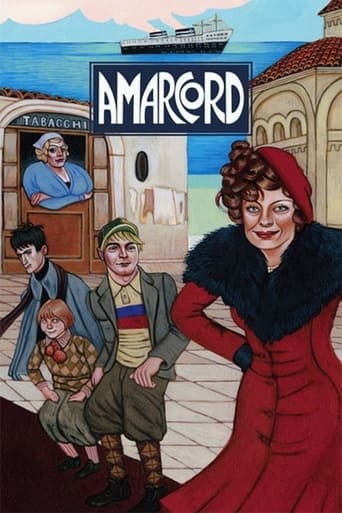
Amarcord (1973)
Fellini's memory of a provincial Italian town shows the comic, nostalgic tradition that Tornatore inherits and softens.
Explore the era or movement
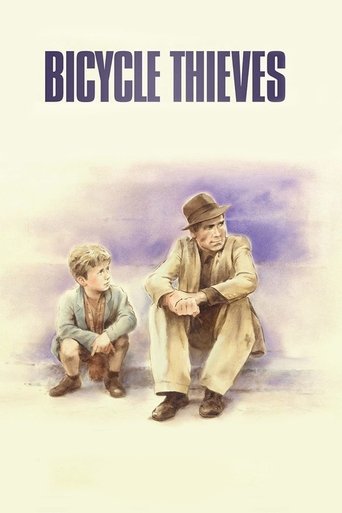
Bicycle Thieves (1948)
Made in the postwar Italy that Cinema Paradiso remembers, it shows the harder realities beneath the film's warm glow.
Compare another approach
Day for Night (1973)
Truffaut's love letter to filmmaking, an affectionate portrait from the production side where Tornatore looks from the audience side.
Jump forward
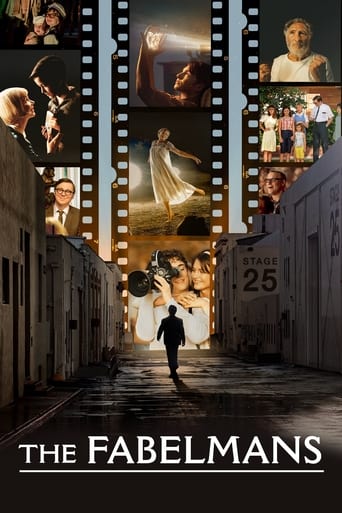
The Fabelmans (2022)
Spielberg's own coming-of-age story about discovering film shows how the nostalgic cinema memoir later developed.

Follow the idea
Mediterraneo (1991)
Another warm Italian Oscar winner built on nostalgia and a community removed from the modern world.